

Science & Tech · Science & Environment · 5 hrs ago
DNA in Lake Vostok Ice Points to Possible Hidden Life
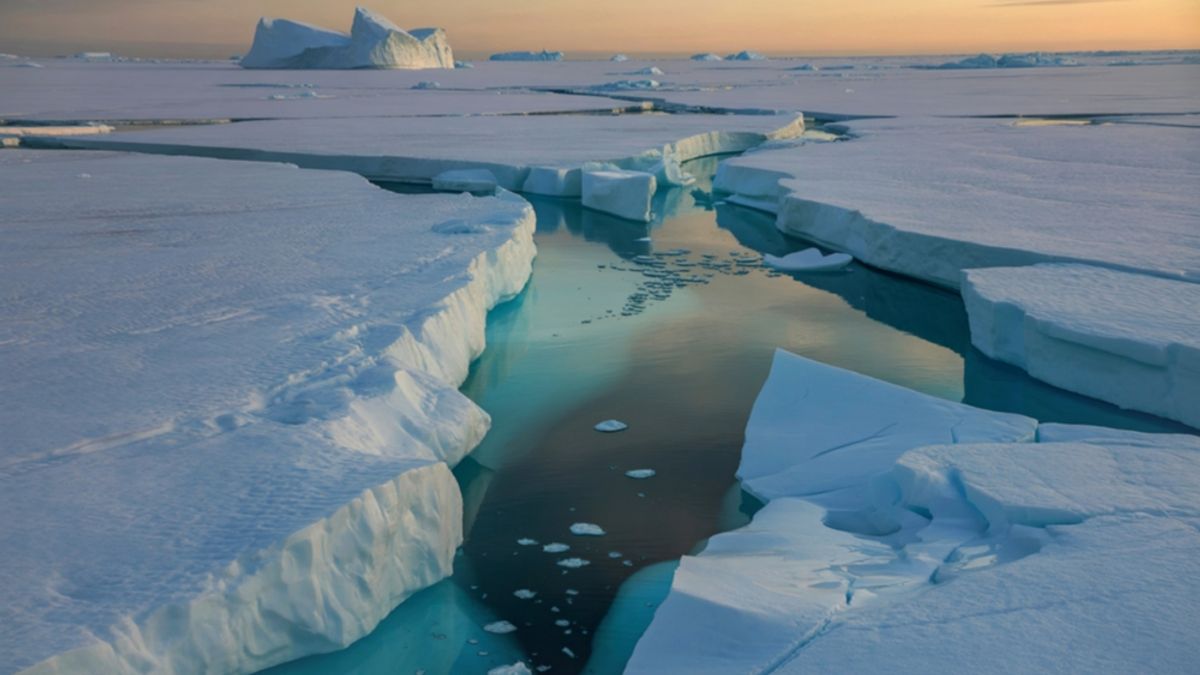
A team led by biologist Scott Rogers analyzed ice formed from Lake Vostok beneath Antarctica.
The lake has been sealed under more than two miles of ice for about 15 million years, making it difficult to study directly.
The team found 3,507 distinct genetic sequences in about 17 ounces of melted ice, including sequences linked to bacteria, fungi and tiny animals.
The findings suggest the lake may contain a range of life, and some sequences could point to conditions such as hydrothermal vents.
But DNA in the ice does not prove those organisms live in the lake, because drilling and laboratory work can introduce contamination.
A separate study of ice from a drill bit found very few microbes, most likely linked to drilling materials.
The sequences have been made public for other researchers to examine, while the lake’s actual life remains uncertain.

DNA recovered from ice beneath Antarctica’s Lake Vostok points to possible microbial and other life in the lake.
A 2013 study reported 3,507 distinct genetic sequences in about 17 ounces of melted ice.
The lake has been sealed beneath more than two miles of ice for about 15 million years.
A separate analysis of ice frozen onto a drill bit found very few microbes, most of which appeared linked to drilling contamination.
The studies used different samples, so their findings do not necessarily conflict.
- Who
- Biologist Scott Rogers and his team studied DNA in frozen Lake Vostok water. A separate team led by Sergey Bulat examined ice from a drill bit.
- What
- Researchers reported genetic sequences that may indicate life in Lake Vostok, while another analysis found few microbes in a different sample.
- When
- The lake was entered by Russian drillers in February 2012. Rogers’ study was published in 2013.
- Where
- Lake Vostok, beneath the Antarctic ice sheet.
- Why
- Researchers examined the DNA to investigate what, if anything, lives in the remote lake.
Rogers’ research team
Bulat’s research team
Evidence of life
Rogers’ research team
Rogers’ team reported thousands of genetic sequences, including matches to bacteria, fungi and tiny animals.
Bulat’s research team
Bulat’s team found fewer than 10 microbes per milliliter in drill-bit ice.
Interpretation
Rogers’ research team
Rogers’ findings suggest the lake may contain a range of life.
Bulat’s research team
Bulat’s team said the uppermost lake layer appeared lifeless, and most detected microbes likely came from drilling materials.
Russian drillers broke into Lake Vostok, and Sergey Bulat’s team examined ice frozen onto the drill bit.
A study reported DNA sequences in frozen Lake Vostok water, including matches to bacteria, fungi and tiny animals.
Discover published an article about the findings and the uncertainty over whether the lake contains life.
- Lake Vostok’s age beneath ice
- About 15 million years
- Lake size
- Largest of Antarctica’s 675 known subglacial lakes
- DNA sequences reported
- 3,507 in about 17 ounces of melted ice
- Sequences traced to a genus or species
- 1,623
- Microbes in drill-bit ice
- Fewer than 10 per milliliter
1 source
What people are saying
almost to 100 percent