

World · South & Central Asia · 1 hr ago
Iran-Pakistan trade resumes partially as thousands of trucks remain stranded
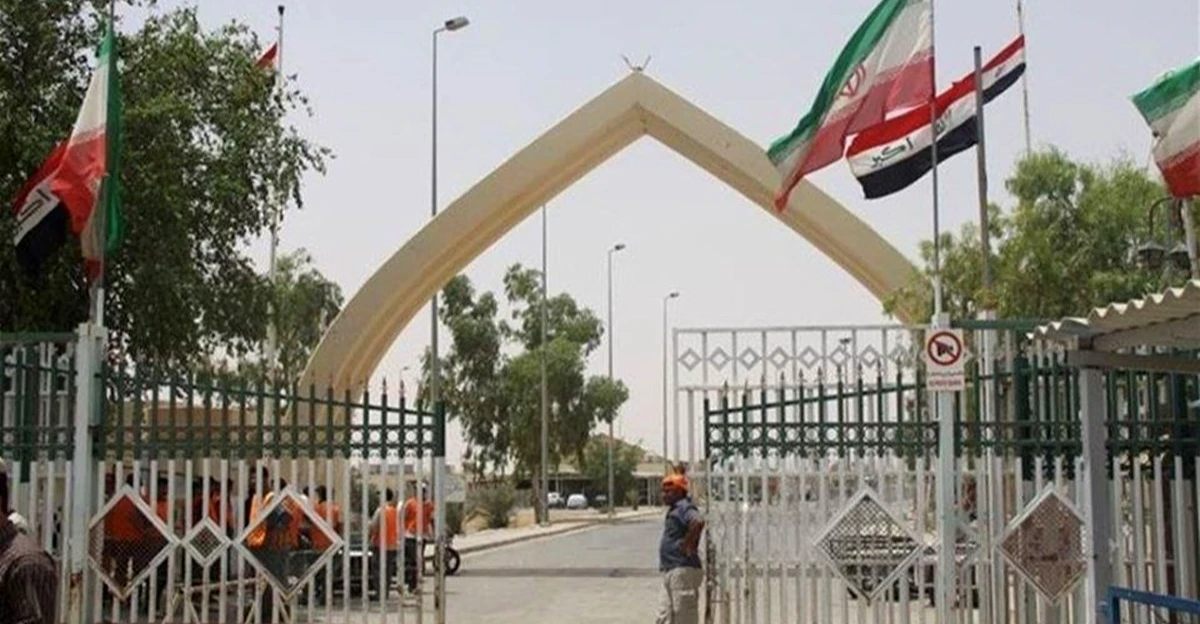
Pakistan and Iran have partly resumed cross-border trade at crossings in Balochistan after a week-long suspension.
Pakistan suspended cargo traffic on October 17, citing security risks in the border region.
Some goods began moving again on October 24, but officials have reported limits on which consignments can cross.
Thousands of trucks remain stranded on both sides, with one business representative estimating 3,000 to 4,000 in Iran and 2,000 to 3,000 in Pakistan.
Pakistani business representatives say trucks with paperwork dated October 16 or earlier are being cleared, while Iran’s ambassador blames new Pakistani import paperwork rules for holding up cargo.
The halt disrupted Pakistan’s LPG supply and contributed to shortages and price increases.
Traders are urging a full restart, but no timeline for that is given.

Pakistan partially resumed trade at the Gabd-Rimdan crossing with Iran on October 24, after a week-long suspension.
Officials allowed some cargo to cross, including consignments with paperwork dated October 16 or earlier.
Thousands of trucks remained stranded on both sides of the border, and traders called for trade to resume fully.
The closure disrupted supplies of liquefied petroleum gas in Pakistan and contributed to shortages and price rises.
Pakistan cited security concerns for the suspension, while Iran’s ambassador blamed changes to Pakistan’s import paperwork.
- Who
- Pakistan and Iran, including traders and transporters using the Gabd-Rimdan crossing.
- What
- Pakistan partially resumed cross-border trade after suspending cargo movement for a week.
- When
- Trade resumed on October 24, 2026, after the crossing was closed on October 17.
- Where
- The Gabd-Rimdan crossing, also known as Gate 250, in Gwadar district, Balochistan.
- Why
- Pakistan cited security concerns. Iran’s ambassador said changes to Pakistan’s import paperwork were preventing traders from dispatching cargo.
Pakistan authorities
Iran’s ambassador Reza Amiri Moghadam
Aspect
Pakistan authorities
Pakistan’s stated reason for suspending trade
Iran’s ambassador Reza Amiri Moghadam
Iran’s explanation of the trade disruption
Reason for closure
Pakistan authorities
Pakistan said the suspension was amid security concerns in Balochistan.
Iran’s ambassador Reza Amiri Moghadam
Moghadam said changes to Pakistan’s E-Form procedure made traders unable to dispatch cargo from Iran to Pakistan.
Border and exports
Pakistan authorities
Pakistan allowed some cargo to cross after the suspension.
Iran’s ambassador Reza Amiri Moghadam
Moghadam said Iran had placed no restrictions on exports, including LPG, and its borders remained open.
Pakistan suspended cargo traffic through the Gabd-Rimdan and Taftan crossings, citing security risks.
Gunmen attacked trucks stranded near the Gabd crossing, setting dozens ablaze and damaging others.
Trade operations partially resumed at Gabd-Rimdan, with officials allowing some consignments to cross.
Iran’s ambassador said on X that Iran had placed no restrictions on exports to Pakistan and blamed Pakistan’s E-Form procedure for holding up cargo.
Business representatives said thousands of trucks remained stranded on both sides despite limited trade resuming.
- Crossing
- Gabd-Rimdan, also known as Gate 250
- Closure began
- October 17, 2026
- Trade resumed
- October 24, 2026
- Paperwork cutoff reported
- Consignment notes dated October 16 or earlier
- Stranded trucks
- 3,000–4,000 on the Iranian side; 2,000–3,000 on the Pakistani side
4 sources
What people are saying
partially resumed this weekend
Those that were already loaded are clearing and coming out now. They are coming slowly.
Changes in the implementation of Pakistan’s E-Form procedure for imports from Iran have created a situation in which traders are effectively and literally unable to dispatch cargo from Iran to Pakistan
Pakistan, as a responsible member of the international community, adheres to and shall continue to adhere to all applicable sanctions regimes in accordance with international and domestic laws