

Health · Public Health & Disease · 5 hrs ago
Bird flu threat puts South Korea’s falling egg prices at risk
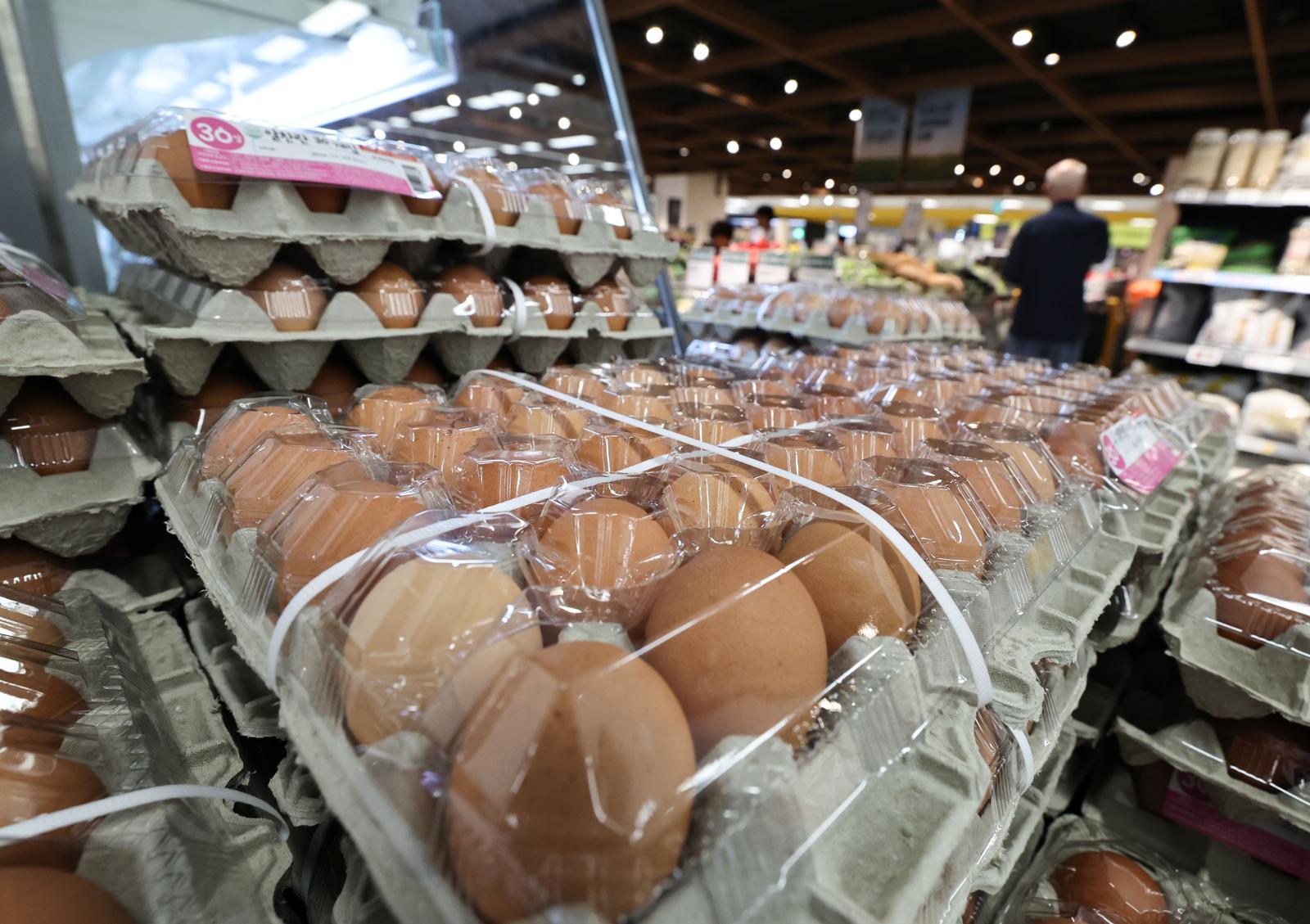
South Korea’s average price for a 30-egg carton fell to 6,907 won this month, its lowest level since March.
Egg prices have fallen for four months as laying-hen numbers and production recovered after last winter’s bird flu outbreak.
The first detection of highly pathogenic bird flu in wild birds this winter was reported at Suncheon Bay, in Suncheon.
The government raised the nationwide alert to its highest level and strengthened measures to keep the virus out of poultry farms.
Last winter, about 11.34 million laying hens were culled, reducing egg production and keeping prices high through the first half of this year.
An outbreak on farms could cut supply again and reverse the recent price declines.
The government has urged poultry farmers and industry workers to step up biosecurity, while supply is expected to increase in the near term if farms remain unaffected.

South Korea’s egg prices have fallen for four straight months, but the detection of highly pathogenic avian influenza (AI) has raised concern that the decline could reverse.
The average consumer price of a 30-egg tray of extra-large eggs was 6,907 won in October, down 2.5% from September.
Prices have fallen as laying-hen numbers and egg production recovered from last winter’s AI outbreak.
South Korea raised its nationwide AI alert to “serious” after the virus was detected in wild-bird droppings at Suncheon Bay.
If the virus spreads to laying-hen farms, culling could reduce supply and push egg prices higher.
- Who
- South Korea’s egg producers, consumers and government.
- What
- Egg prices are falling, but a new highly pathogenic AI detection has raised the risk of renewed supply shortages and price increases.
- When
- October 2026, during the start of the winter AI season.
- Where
- Suncheon Bay, Suncheon, South Korea; the alert applies nationwide.
- Why
- AI could spread to laying-hen farms and lead to culling, reducing egg supplies.
This story does not have two clearly opposing sides.
Highly pathogenic AI led to the culling of about 11.34 million laying hens, and egg prices stayed high through the first half of 2026.
The average consumer price of a 30-egg tray of extra-large eggs peaked at 7,496 won.
The government reported an H5-type AI virus in wild-bird droppings collected at Suncheon Bay and raised the nationwide alert from “caution” to “serious.
The average consumer price of a 30-egg tray of extra-large eggs fell to 6,907 won, its lowest level since March.
- October consumer price
- 6,907 won per 30-egg tray of extra-large eggs
- Monthly consumer-price change
- Down 2.5% from September
- Falling-price streak
- Four consecutive months
- Suncheon Bay detection
- H5-type AI virus in wild-bird droppings
- Last winter’s culling
- About 11.34 million laying hens, or 13.7% of the total flock
1 source
What people are saying
야생조류에서 고병원성 AI가 확인되면서 농장으로 확산할 위험이 커진 상황
가금 농가와 축산 관계자들은 차단방역에 만전을 기해 달라