

Business · Companies · 14 hrs ago
Glovo CEO to use nine rulings in defence against worker-rights charge
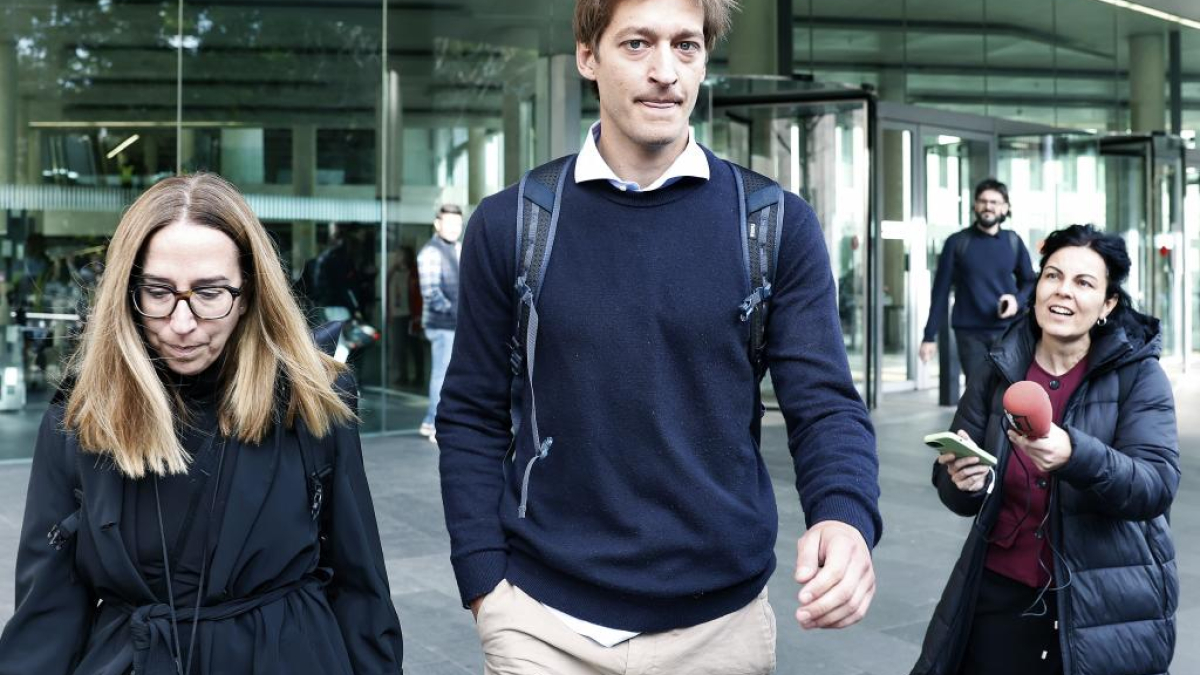
Glovo CEO Oscar Pierre’s defence plans to submit nine court rulings in his open criminal case over the company’s use of couriers classified as self-employed.
The rulings concern Glovo’s Flex model, used from August 2021 to July 2025, when the company began hiring its couriers.
The courts found that couriers could choose when to work, reject or reassign orders without penalty, and work for other platforms.
The rulings cancelled about €16 million in social security charges and €17.2 million in fines linked to periods from August 2021 to July 2024.
Pierre’s defence says the rulings support its argument that the couriers’ status is legally uncertain and does not justify criminal responsibility.
The criminal case, opened after a complaint by Barcelona prosecutors, is still going ahead; Pierre could face six months to six years in prison if convicted.
No trial date has been set.

Glovo CEO Oscar Pierre plans to use nine court rulings in his defence against a criminal charge concerning workers’ rights.
The charge relates to the company’s alleged use of delivery riders as falsely self-employed workers.
The rulings concern Glovo’s Flex model, used from August 2021 to July 2025.
Eight rulings came from the Central Court of Instance and one from the High Court of Justice of Extremadura.
The rulings say the riders’ autonomy under the model was incompatible with an employment relationship.
Pierre could face six months to six years in prison if convicted, and the trial date has not been set.
- Who
- Oscar Pierre, Glovo’s CEO, and the company’s delivery riders.
- What
- Pierre’s defence plans to submit nine rulings in a criminal case over the alleged use of falsely self-employed riders.
- When
- The rulings were issued recently; the trial date has not been set.
- Where
- Spain. The rulings came from the Central Court of Instance and the High Court of Justice of Extremadura.
- Why
- The defence says the rulings support its position that the riders’ relationship with Glovo was not an employment relationship and that criminal liability is incompatible with reasonable legal doubt.
Glovo’s defence
Barcelona Public Prosecutor’s Office
Worker status
Glovo’s defence
The defence says riders’ flexibility and independence under the Flex model were incompatible with an employment relationship.
Barcelona Public Prosecutor’s Office
The case concerns an allegation that Glovo used falsely self-employed riders.
Criminal case
Glovo’s defence
The defence says the rulings establish reasonable doubt about the legal classification of the relationship, incompatible with criminal liability.
Barcelona Public Prosecutor’s Office
The prosecutor’s complaint led to an investigation into an alleged offence against workers’ rights.
Glovo began using its Flex model when Spain’s Rider Law came into force.
Pierre appeared before a judge, and the investigation against him had begun by this time.
The periods covered by the records later annulled by court rulings fell within these dates.
Glovo gave up the Flex model and hired its riders.
- Rulings
- Nine in total: eight from the Central Court of Instance and one from the High Court of Justice of Extremadura
- Flex model
- Used from August 2021 to July 2025
- Social Security contributions
- €16 million in claims annulled by the Central Court of Instance rulings
- Penalties
- About €17.2 million in sanctions annulled
- Possible prison term
- Six months to six years if Pierre is convicted
What people are saying
more than reasonable doubts
incompatible with criminal liability