

Science & Tech · Science & Environment · 3 hrs ago
Britain’s growing parakeet population raises debate over its impact
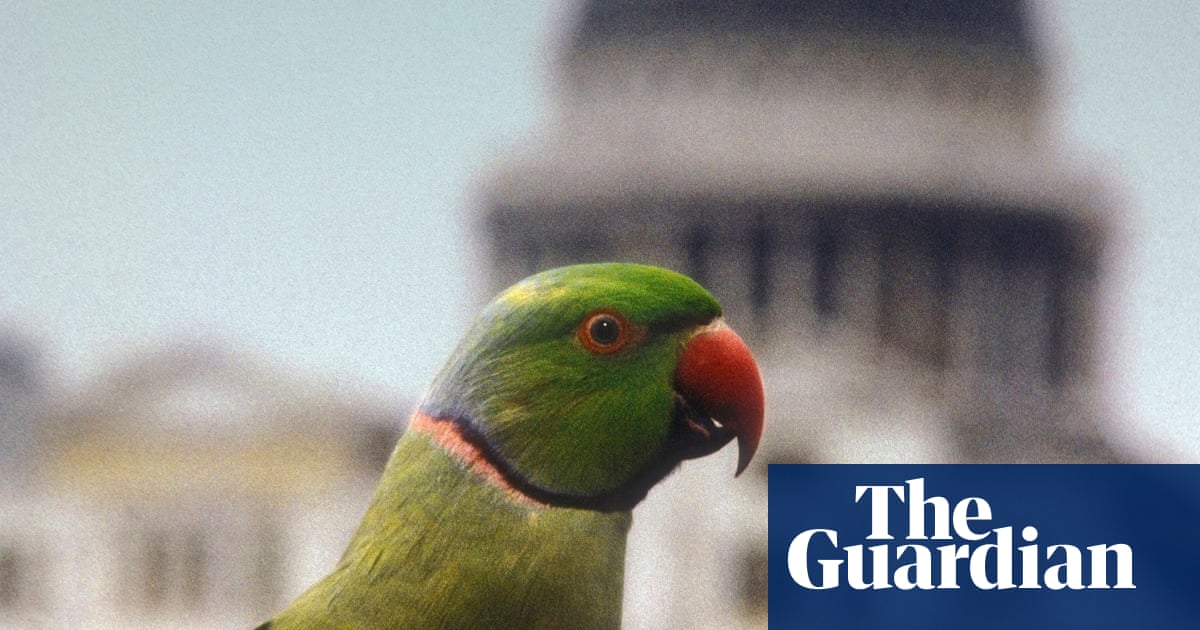
At dusk, thousands of ring-necked parakeets gather at a cemetery in south-east London to roost in poplar trees.
The birds came from Asia and have made Britain home over roughly the past half-century.
Their noisy flocks are striking, but the birds also leave droppings and down across the cemetery.
The debate is whether the non-native birds harm local wildlife; European studies suggest they can affect native birds and bats.
They can also carry Newcastle disease, which mainly affects poultry, and the parasite Cryptosporidium, which can infect people.
A government cull was reportedly considered in 2021 but abandoned because it could be costly and impractical, while their numbers and range continue to grow.

Britain’s ring-necked parakeet population is growing and expanding its range, prompting debate about the birds’ effects.
The parakeets have lived in Britain for about half a century and have become genetically distinct from their ancestors.
At Hither Green cemetery in south-east London, hundreds or thousands gather at dusk to roost.
Studies in Europe suggest the birds can negatively affect native bird and bat populations.
The article also describes the parakeets as an impressive display of urban wildlife.
- Who
- Ring-necked parakeets in Britain, and the politicians, conservation bodies, land managers and members of the public debating their effects.
- What
- The birds’ growing population and expanding range have prompted questions about their impact and whether they should be controlled.
- When
- They have been in Britain for about half a century; the article was published on 10 November 2026.
- Where
- Britain, including a large roost at Hither Green cemetery in south-east London.
- Why
- Their numbers are climbing, and European studies suggest they can negatively affect native birds and bats; the article also describes their urban presence as impressive.
Those concerned about parakeet impacts
Those who value the birds or object to hostility toward them
Impact
Those concerned about parakeet impacts
European studies suggest parakeets negatively affect native bird and bat populations; they are also known to carry Newcastle disease and Cryptosporidium.
Those who value the birds or object to hostility toward them
The birds are described as an impressive display of urban wildlife, and the article frames the debate as including concern about xenophobia.
Control
Those concerned about parakeet impacts
Government cull plans were allegedly considered in 2021, though abandoned because of potential expense and impracticality.
Those who value the birds or object to hostility toward them
The article raises the possibility that hostility toward the birds reflects xenophobia, but does not identify a specific opposing policy position.
Ring-necked parakeets began making themselves at home in Britain.
An Oxford researcher estimated the Greater London parakeet population, though the article’s account of the estimate is cut off.
Government cull plans were allegedly considered, then abandoned because of potential expense and general impracticality.
The article’s writer visited the Hither Green cemetery roost at dusk.
- Species
- Ring-necked parakeet (Psittacula krameri)
- Roost
- Hither Green cemetery, south-east London
- Population trend
- Numbers are climbing and the birds’ range is expanding
- Time in Britain
- About half a century
- Cull plans
- Allegedly considered in 2021; abandoned over potential expense and impracticality