

Science & Tech · Science & Environment · 4 hrs ago
Fossil teeth suggest Homo erectus lived later in China than thought
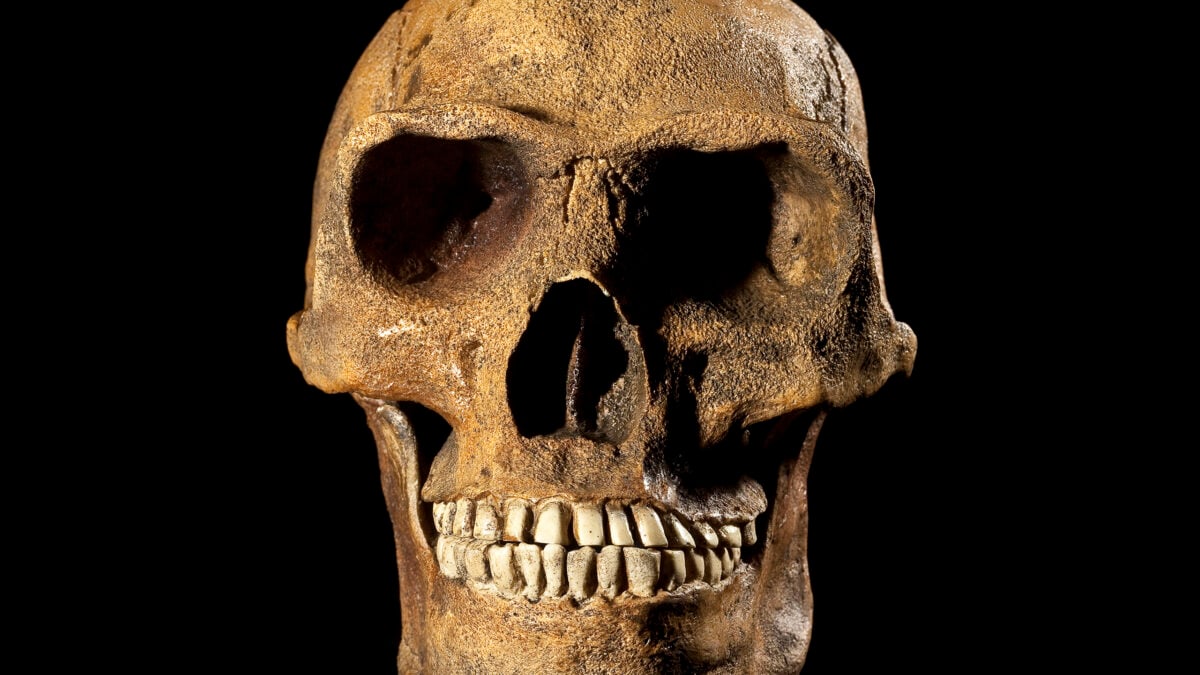
Fossil teeth from two caves in southern China suggest Homo erectus survived there later than scientists thought.
Researchers identified eight of the nine teeth as Homo erectus, an ancient human species that spread from Africa across parts of Asia.
The teeth were dated to between 184,000 and 324,000 years ago, while the oldest previously known mainland Asian fossils of the species were about 400,000 years old.
Evidence from the caves suggests these Homo erectus groups lived in tropical rainforest, a habitat where the species had not previously been found.
A ninth tooth belonged to an unidentified ancient human, so Homo erectus may have shared the region with Denisovans or another group, though that is not certain.
The findings extend the known story of Homo erectus in mainland Asia and challenge the idea that it disappeared there as forests replaced its more familiar grassland habitat.

Nine hominin teeth from two caves in southern China suggest Homo erectus lived there between 184,000 and 324,000 years ago.
Eight teeth were identified as Homo erectus, while a ninth could not be clearly identified.
The findings suggest Homo erectus survived on mainland Asia much later than the roughly 400,000-year-old fossils previously considered the latest securely dated examples there.
Researchers say the teeth may come from a distinct Homo erectus population that lived in tropical rainforest.
The unidentified tooth may belong to a Denisovan, but the evidence is inconclusive.
- Who
- Homo erectus and an unidentified hominin are represented by the teeth. Researchers say the unidentified individual may have been a Denisovan.
- What
- Fossils suggest Homo erectus lived in southern China later than previously thought and may have shared the region with another hominin.
- When
- The teeth are dated to between 184,000 and 324,000 years ago.
- Where
- Baxian and Naxian caves in southern China.
- Why
- The fossils show Homo erectus survived in the region longer than scientists had thought and may have adapted to rainforest conditions.
This story does not have two clearly opposing sides.
The previously known record of securely dated Homo erectus fossils on mainland Asia effectively ended.
The teeth from Baxian and Naxian caves were dated to this period.
Articles reported the findings from two studies published in Nature.
- Fossils
- Nine hominin teeth
- Identified teeth
- Eight attributed to Homo erectus
- Age range
- 184,000 to 324,000 years
- Sites
- Baxian and Naxian caves, southern China
- Mammal fossils
- More than 18,000 found across the two caves
- Distance between caves
- About 15 kilometres
3 sources
What people are saying
We’ve got this late surviving population, and we’ve got this rich story of how they were living
The assumption would have been that erectus is basically no longer there, because they have evolved into a Denisovan population
I can absolutely see how they came to the conclusion that this is a different population