

Science & Tech · Science & Environment · 3 hrs ago
KNMI to issue more targeted weather warnings from November
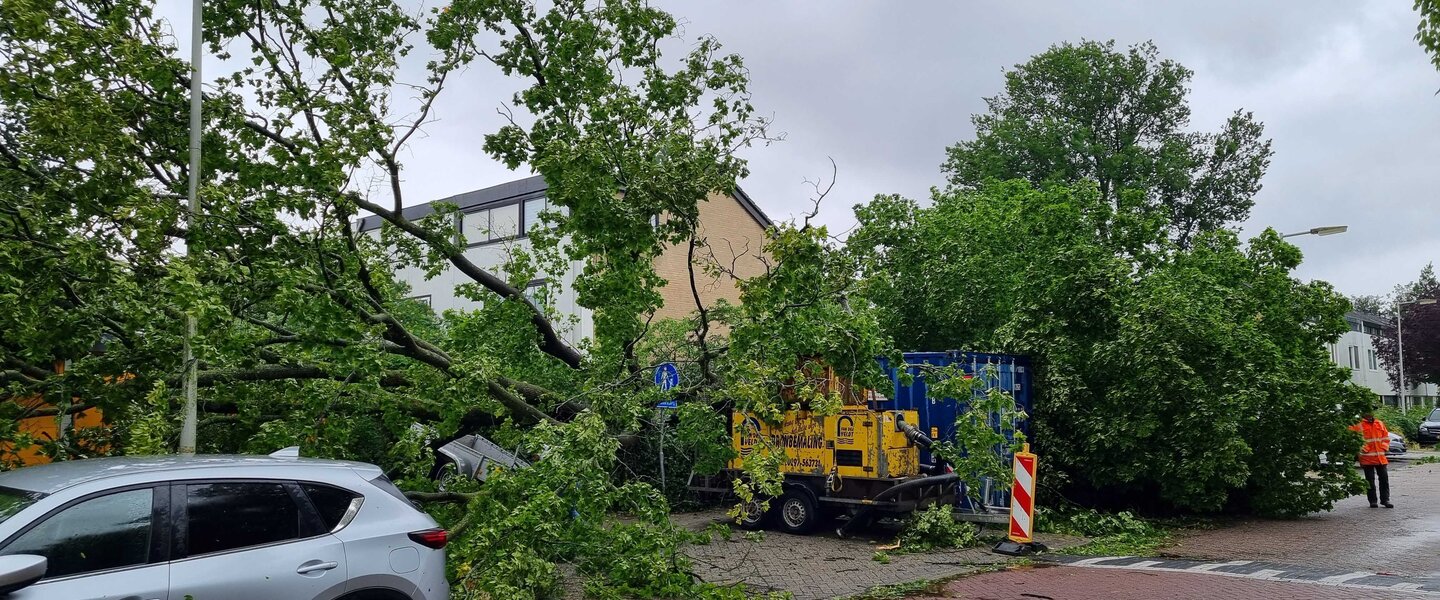
From November, the Dutch weather service will issue warnings for more precise areas instead of coloring entire provinces.
The change covers risks including ice, heat, fog, thunderstorms, snow, strong winds and heavy rain.
Province-wide warnings can leave many people unsure whether the danger applies where they are, or warn residents who face little risk.
For example, ice affected parts of northern Netherlands, while conditions varied across large provinces such as North Holland and Gelderland.
Flexible zones will show more clearly where hazardous weather is expected, and each type of weather hazard will have its own map.
People can zoom in on the KNMI website or receive alerts in its app for their live location or other places.
Other weather apps, radio and television will also use the more local warning areas.

KNMI will issue more targeted warnings for dangerous weather from November, using flexible areas instead of warning by province.
People will be able to check whether a warning applies to their location on KNMI’s website and app.
The KNMI app will also allow users to receive alerts for their live location or other places.
The changes apply to warnings for hazards including ice, heat, cold, fog, thunderstorms, snow, waterspouts, strong gusts and heavy rain.
- Who
- The Royal Netherlands Meteorological Institute (KNMI).
- What
- It will issue weather warnings for flexible areas rather than whole provinces.
- When
- From November. The article was published on 14 October 2026.
- Where
- The Netherlands.
- Why
- Current warnings cover entire provinces, even when dangerous weather affects only part of them. More targeted warnings are intended to show more precisely where hazards are expected.
This story does not have two clearly opposing sides.
Storm Benjamin was expected to cause disruption mainly in a narrow coastal strip, while its strong gusts were less severe in the east.
Severe ice affected parts of the north, with the highest warning levels issued for Friesland, Groningen and Drenthe.
KNMI announced it would begin issuing more targeted warnings from November.
KNMI is due to switch from province-wide warnings to flexible areas.
- Start
- November
- Current warning areas
- Provinces
- New warning areas
- Flexible areas
- Alert locations
- Live location or other places in the KNMI app
- Hazards covered
- Ice, heat, cold, fog, thunderstorms, snow, waterspouts, strong gusts and heavy rain
3 sources
What people are saying
From November, we will issue more targeted warnings and you will be able to receive alerts for warnings at your location.
Being more local in our warnings does much more justice to the message we wanted to convey: the farther north, the more extreme the ice.