

Health · Medical Research · 1 hr ago
Study examines how epigenetics may preserve immune memory
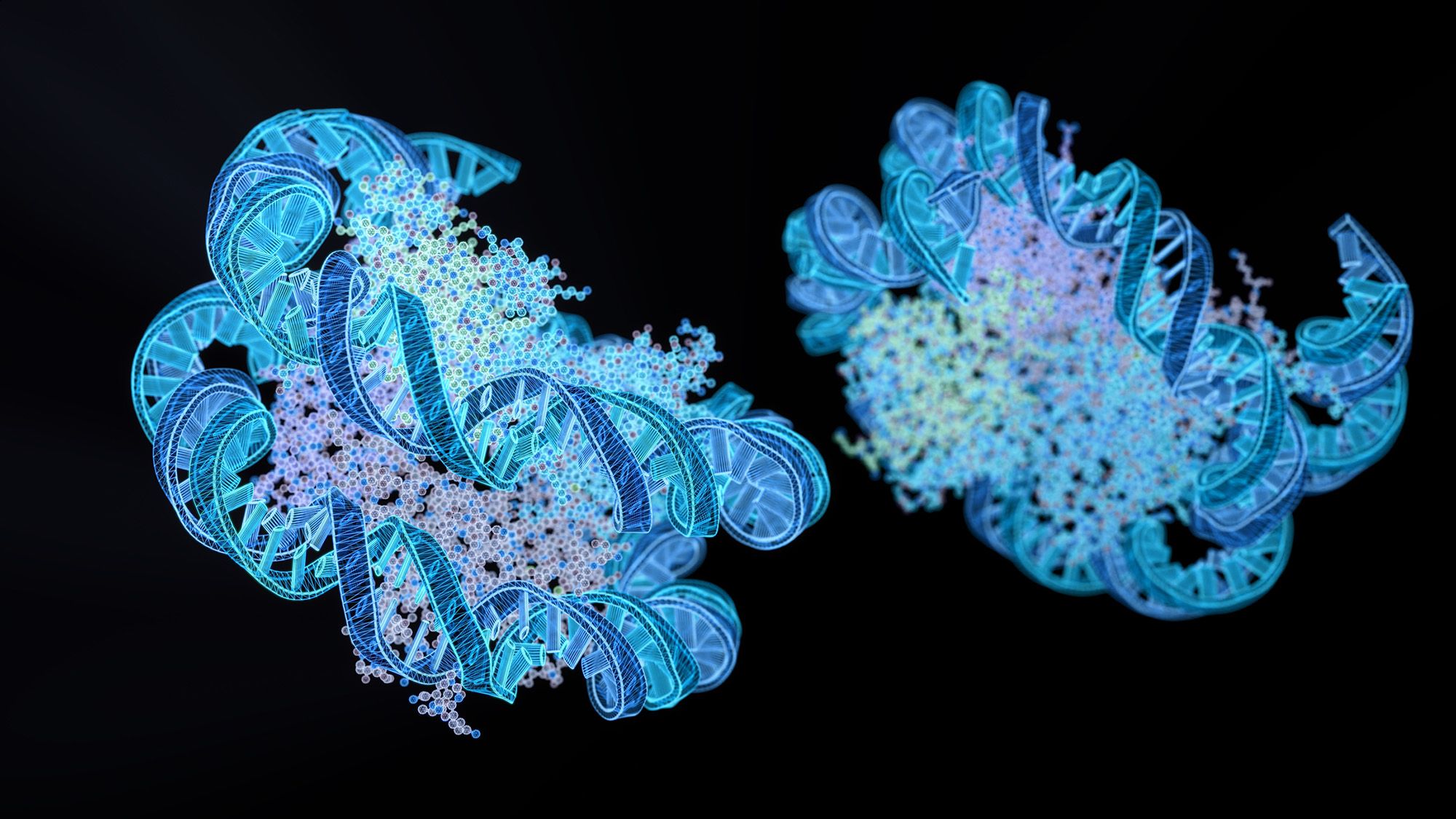
A new study examined how immune cells preserve one type of memory of threats they have encountered.
This memory can help the immune system mount stronger defenses against germs in the future.
Epigenetics controls gene activity without changing DNA's underlying code, partly by affecting how DNA is packaged inside cells.
The study looked at how these changes may keep immune memory from fading.
The findings could matter for treating cancer and Alzheimer's disease, though the study does not describe specific treatments.
The researchers say this work may help explain how the immune system maintains memory over time.

A study examined how epigenetics may help immune cells retain one type of immune memory.
Epigenetics controls gene activity without changing the underlying DNA code.
The study focused on how DNA packaging and epigenetic markers can activate or silence genes.
The findings might matter for treating diseases such as cancer and Alzheimer’s disease.
- Who
- Researchers conducted the study; their names are not stated.
- What
- The study examined how epigenetics may keep one type of immune memory from fading.
- When
- The article was published on November 19, 2026; the study date is not stated.
- Where
- Not stated.
- Why
- To understand how immune cells preserve memory of threats they have encountered.
This story does not have two clearly opposing sides.
This story does not have a timeline yet.
- Publication date
- November 19, 2026
- Biological process
- Epigenetics controls genes without changing the underlying DNA code
- Potential relevance
- Cancer and Alzheimer’s disease