

Business · Economy · 6 hrs ago
US tariff waiver brings India temporary relief, experts say
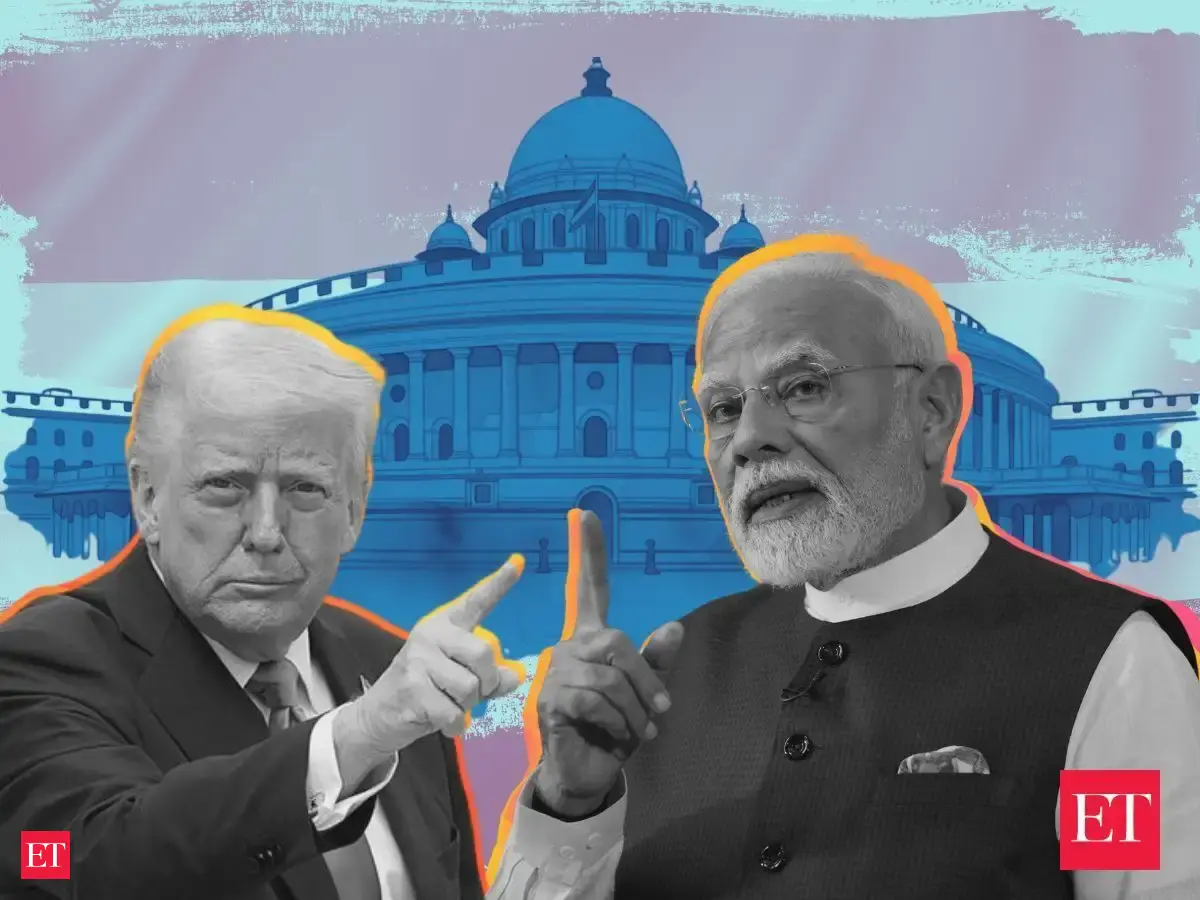
The United States has waived tariffs linked to Russian oil, giving India temporary economic relief.
The waiver concerns a US law that allows higher duties on Russian supplies and on countries that buy Russian energy.
Access to competitively priced Russian crude could lower costs for Indian businesses and ease inflationary pressure, industry representatives say.
The decision may also protect Indian exports, including textiles, leather, gems and jewellery, and machinery, by supporting buyer confidence and orders.
The relief is temporary: the waiver can be changed or withdrawn, leaving businesses uncertain about future contracts and investment.
Indian industry groups want lasting tariff predictability and hope the decision supports ongoing India-US trade discussions.
The US administration has said the law’s key provisions will not be applied for now, but no longer-term arrangement is specified.

US President Donald Trump waived threatened tariffs on countries buying Russian oil, giving India temporary relief but leaving the threat of renewed pressure in place.
Indian business groups said the waiver could support energy security and exports, but warned that it does not provide long-term certainty.
The Global Trade Research Initiative said Washington could withdraw the waiver and use tariff threats as leverage in trade negotiations.
GTRI cited US energy needs, a tariff arrangement with China and the risk of disrupting talks with India as possible reasons for the waiver.
- Who
- US President Donald Trump issued the waiver; Indian exporters and oil buyers are affected.
- What
- The US waived threatened tariffs on countries buying Russian oil, including potential duties on major buyers.
- When
- Trump issued the waiver on October 16, 2026.
- Where
- The decision was made by the US government and affects India’s trade with the United States.
- Why
- GTRI said US energy needs, its arrangement with China and ongoing trade negotiations with India may have influenced the decision.
Indian industry groups
Global Trade Research Initiative
Impact of the waiver
Indian industry groups
FICCI described it as welcome relief for energy security, while FIEO said it could protect exports and buyer confidence.
Global Trade Research Initiative
GTRI said it buys India time but offers no lasting certainty and leaves the country exposed to renewed US pressure.
India’s response
Indian industry groups
FICCI and FIEO said the relief could support trade discussions and hoped it would lead to a durable understanding.
Global Trade Research Initiative
GTRI urged India to protect energy security, buy oil on commercial terms and avoid permanent concessions in return for temporary relief.
Trump signed into law legislation providing for sanctions and tariffs related to Russia and its major energy buyers.
The US agreed with Russia to buy Russian diesel to address domestic shortages and high fuel prices, according to GTRI.
Trump issued the waiver under the newly enacted sanctions law.
The framework provides for additional duties on goods from major buyers making new purchases of Russian oil from this date.
- Potential additional duties on major buyers
- 100%
- Tariff increase on Russian goods under the framework
- 500%
- India’s share of oil imports from Russia
- Fell from 51% in July to 44% in August
- China tariff arrangement
- US agreed to hold off on tariff increases until January 10
- Waiver date
- October 16, 2026
3 sources
What people are saying
While the waiver of additional duties under the US Russia-related sanctions law provides temporary relief, it is a welcome development for India's energy security
It also creates a positive environment for advancing India-US trade discussions
For India, the waiver buys time but offers no lasting certainty. India should protect its energy security, buy oil on commercial terms and prepare for renewed US pressure. Temporary tariff relief is no basis for permanent trade concessions
China already had protection against US tariff increases until January 10. The message is clear - US interests determine when penalties apply, while the ability to retaliate helps secure protection. China can push back. India risks repeated pressure unless it demonstrates that coercion carries a cost