

World · Africa · 1 day ago
Cape Town plan to enclose more than 60 baboons draws protests
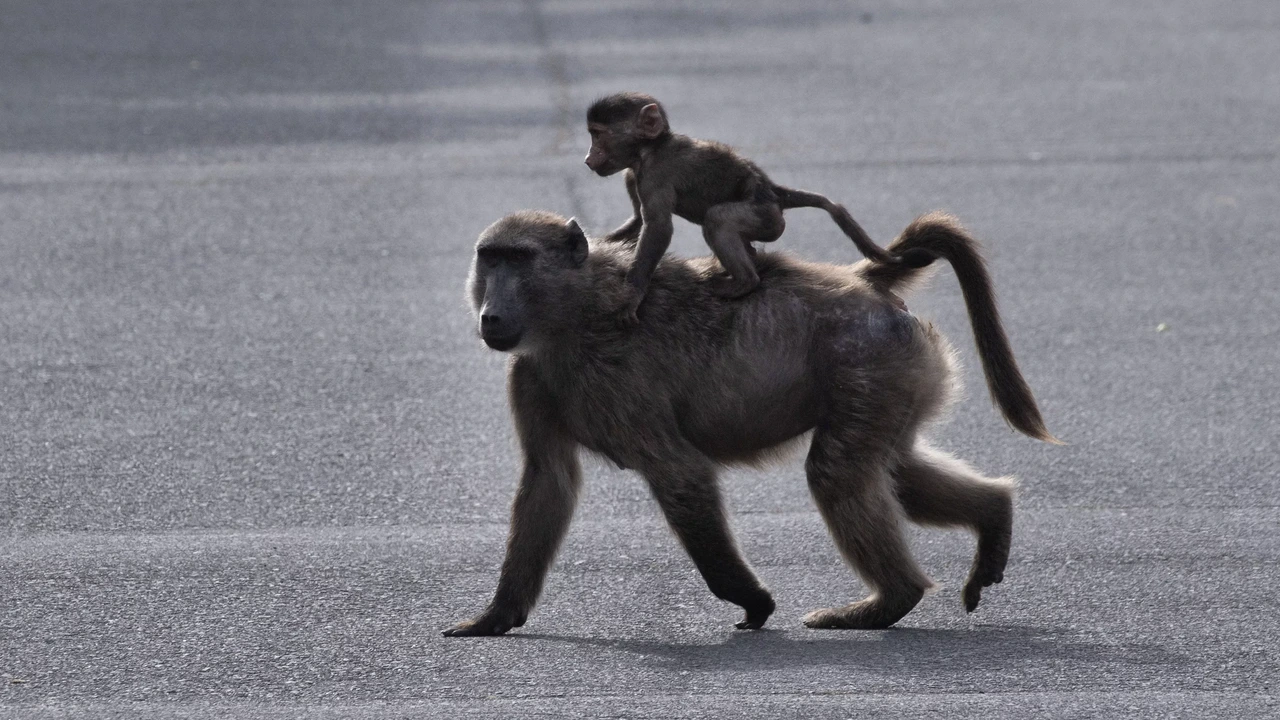
Cape Town plans to capture more than 60 baboons and keep them in a fenced area on the Cape Peninsula, in South Africa.
The plan targets two troops that cause repeated problems as they enter residential areas to find food.
As housing spreads into the mountains, the baboons’ habitat is shrinking and encounters with people are becoming more frequent.
The city says the enclosure is an alternative to euthanasia and could give the animals a better life than they have now.
The fenced site, about the size of seven football fields, has already been built.
Residents are protesting the plan, arguing that the enclosure could harm the baboons and set a precedent for confining more of them.
The city says the other hundreds of baboons on the peninsula will be allowed to remain, but the planned captures have prompted an ongoing dispute.

Cape Town plans to capture more than 60 baboons and keep them in a fenced area on the Cape Peninsula, drawing protests.
The municipality and wildlife agencies say two troops of more than 60 baboons each cause serious problems in residential areas.
The fenced site, about the size of seven football fields, has already been built and includes wooden platforms for the animals.
Opponents say the plan will cause the baboons to die out and argue that residents should adapt by securing their rubbish.
The municipality says it believes the animals can have a good life at the site and says hundreds of other baboons can remain where they are.
- Who
- Cape Town’s municipality and wildlife agencies plan to capture the baboons. Residents and demonstrators oppose the plan.
- What
- More than 60 baboons are to be enclosed in a fenced area on the Cape Peninsula.
- When
- The article was published on 8 November 2026. Demonstrations take place at the fences every weekend.
- Where
- On the Cape Peninsula, near Cape Town, South Africa.
- Why
- The municipality says two troops cause serious problems in residential areas. Opponents say residents should adapt and fear the enclosure could lead to the baboons’ disappearance.
Cape Town municipality and wildlife agencies
Opponents of the enclosure plan
Purpose
Cape Town municipality and wildlife agencies
The municipality says the enclosure is preferable to euthanising the baboons and could give them a good life.
Opponents of the enclosure plan
Demonstrators say the site will become a place where the baboons die out.
Impact on baboons
Cape Town municipality and wildlife agencies
The municipality says the animals currently face dangers, including being shot and eating unhealthy food.
Opponents of the enclosure plan
Opponents say the baboons are in their natural habitat and that people should take responsibility, including by securing rubbish bins.
Future of the population
Cape Town municipality and wildlife agencies
The municipality says hundreds of other baboons can remain where they are.
Opponents of the enclosure plan
Opponents fear that successful relocations could lead to more baboons being enclosed and eventually none remaining.
Cape Town made attempts to enable people and baboons to live together peacefully.
The fences for the proposed enclosure were put in place.
Residents opposed to the plan demonstrate at the fences.
- Baboons on the Cape Peninsula
- About 600
- Baboons targeted for capture
- Two troops of more than 60 animals each
- Proposed enclosure
- About the size of seven football fields
- Enclosure features
- Fences and wooden platforms for resting
- Publication date
- 8 November 2026
What people are saying
But we have two choices: euthanise these baboons or lock them up. And we think we can give them a good life.
They bring them there to die out.
They sterilise them, so the group eventually disappears. While this is their natural habitat. They were here first. We have to adapt and take responsibility. We can secure our rubbish bins better.
If the first relocations prove successful, the municipality could lock up more baboons in the future.