

Sports · Motorsport · 2 hrs ago
F1 teams face turbo and battery challenges at the Mexico City Grand Prix
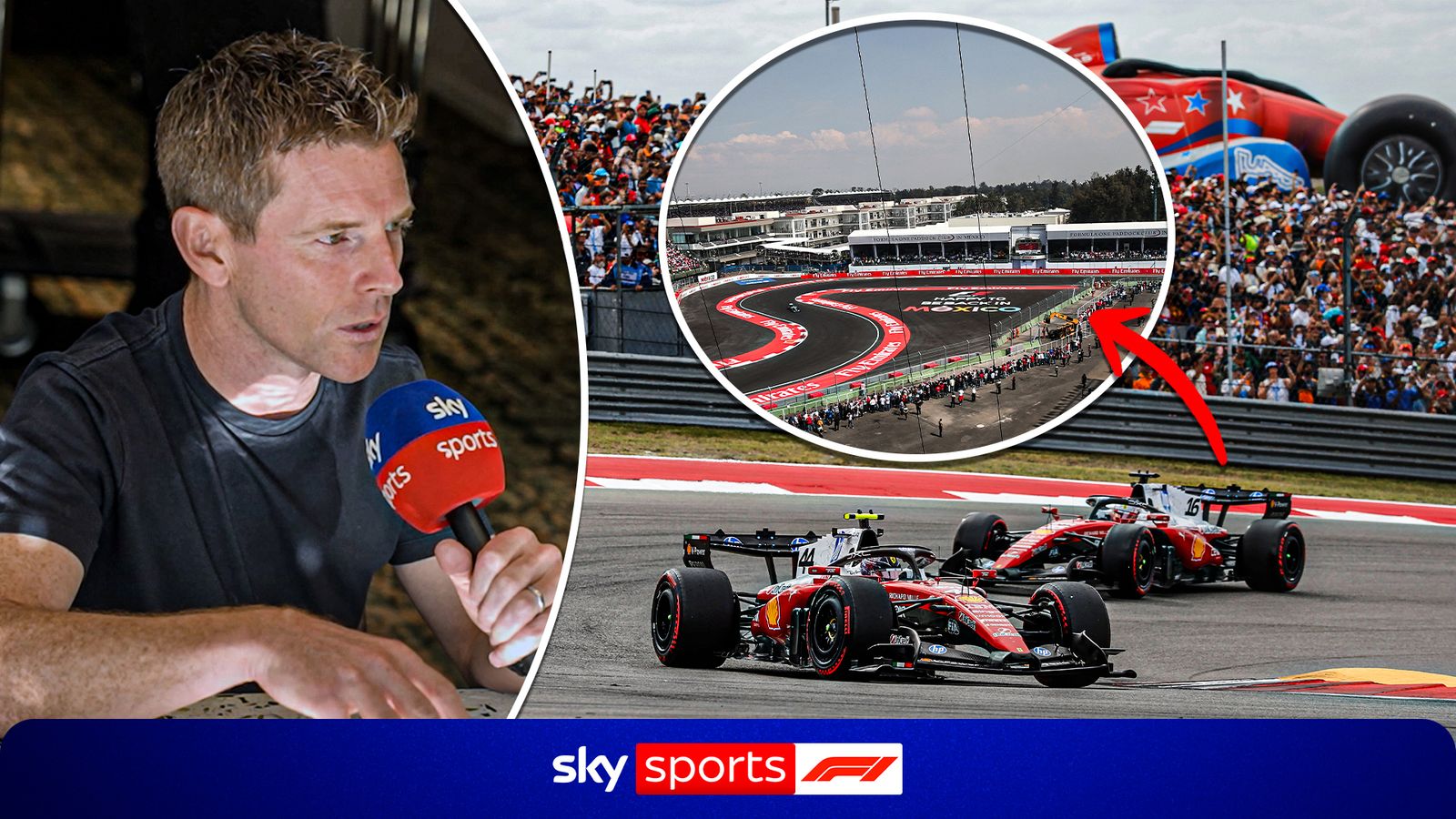
Formula 1 teams are preparing for the Mexico City Grand Prix at high altitude, where the thin air makes it harder for engines to get enough air.
This is the first Mexican race under 2026 rules without the MGU-H, a component that previously helped keep the turbocharger working.
Honda engineer Shintaro Orihara says turbo lag could challenge every engine maker, and teams may need to limit engine use if turbo speeds become too high.
Teams also expect heavy use of the battery's remaining electric motor to help cover delays in turbo power.
Mercedes driver George Russell says Ferrari's smaller turbo may offer an advantage in these conditions.
Russell also says Mercedes is still trying to make its latest car upgrade work across a wider range of conditions.
Teams will assess how their engines and cars perform during practice before the race.

George Russell said Ferrari may have an advantage at the Mexican Grand Prix because its smaller turbo could help reduce turbo lag at altitude.
The Autódromo Hermanos Rodríguez in Mexico City sits more than 2,200 metres above sea level, where thin air makes turbochargers work harder.
Honda engineer Shintaro Orihara said the removal of the MGU-H makes managing turbo lag and boost pressure more challenging this year.
Orihara said Honda’s testing suggested little or no impact on engine operation, but the team would need to check during practice.
Russell also said Mercedes is still trying to understand an upgrade package that has performed in a narrow window.
- Who
- Mercedes driver George Russell said Ferrari could have an advantage.
- What
- Russell said Ferrari’s smaller turbo could help it cope with turbo lag at the Mexican Grand Prix.
- When
- The comments were made ahead of the 2026 Mexican Grand Prix.
- Where
- The Autódromo Hermanos Rodríguez in Mexico City, more than 2,200 metres above sea level.
- Why
- Thin air makes turbochargers work harder, and Russell said Ferrari has a smaller turbo than most teams.
This story does not have two clearly opposing sides.
Honda had MGU-H support to help generate sufficient boost pressure, according to Orihara.
Russell finished eighth in Austin, while Kimi Antonelli won the race, according to Motorsport.com.
Russell said Ferrari’s smaller turbo could give it an advantage at the high-altitude circuit.
- Circuit
- Autódromo Hermanos Rodríguez, Mexico City
- Altitude
- More than 2,200 metres above sea level
- Ferrari's possible edge
- Smaller turbo than most teams, according to Russell
- Honda engineer
- Shintaro Orihara
- Russell's championship position
- Second, 123 points behind Kimi Antonelli
4 sources
What people are saying
There’s obviously no secret, the likes of Ferrari have a smaller turbo than most, so they probably have quite an advantage in this regard.
We’re not sure as yet how challenging it will be, but can definitely foresee it being not straightforward.
I think not only Honda, but also all manufacturers, they will struggle with turbo lag, or [find it] challenging for turbo lag in this track.