

Science & Tech · Science & Environment · 2 hrs ago
India’s AQI method may understate Delhi’s worst pollution days
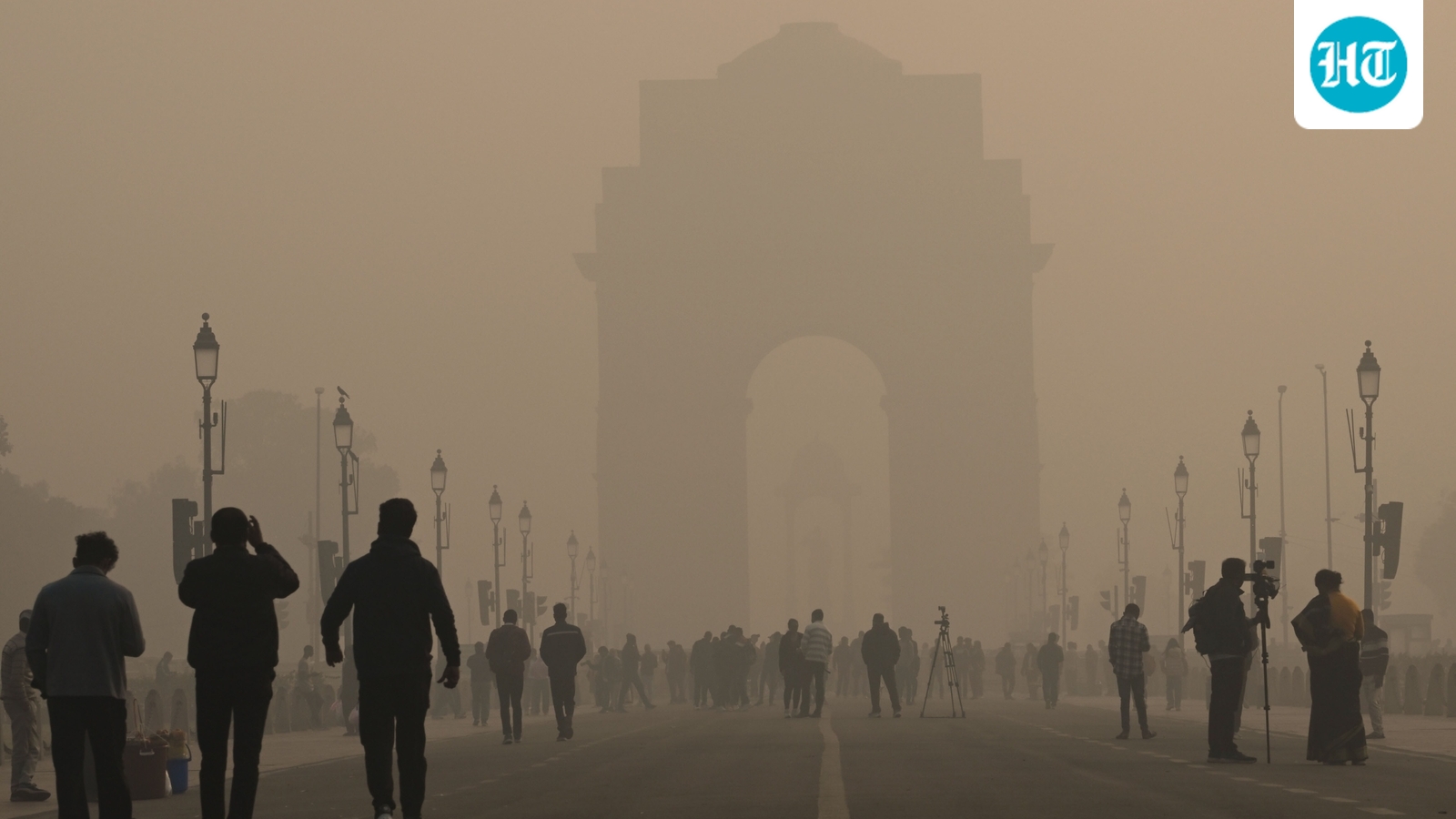
The Central Pollution Control Board’s air quality index may understate Delhi’s worst pollution because its calculation appears to differ from the method set out in official documents.
An analysis of a year of hourly readings from Delhi’s government monitors found the city would have had 23 severe days, instead of the 10 in official bulletins, if the published definition had been followed.
That method calls for averaging each pollutant’s readings over 24 hours before turning the result into an index score.
On November 9, the day after Diwali, the analysis put Delhi’s score at 411, compared with the official score of 344; the bulletins called the day very poor, not severe.
The gap matters because the index is meant to show people the pollution exposure they face and what it means for their health.
The analysis also found the same averaging practice is used for figures from more than 500 monitoring stations across India, but it does not say what action will follow.

Hindustan Times found that India’s official air quality index may understate the severity of Delhi’s worst pollution days.
The newspaper’s analysis found Delhi would have been rated “severe” on 23 days using the index’s published definition, compared with 10 days in Central Pollution Control Board bulletins.
For November, the analysis found that Diwali and the following day should both have been rated “severe,” though the board called them “very poor.”
On November 9, the index should have been 411, rather than the 344 published by the board.
The analysis says the discrepancy arises because the board averages hourly pollution scores instead of first averaging pollutant readings over 24 hours, as the published definition requires.
- Who
- The Central Pollution Control Board and Hindustan Times.
- What
- Hindustan Times found that the board’s air quality index may understate the severity of Delhi’s worst pollution days.
- When
- Hindustan Times published its analysis on November 23, 2026. The pollution days discussed include November 8 and 9.
- Where
- Delhi, India; the article says the calculation practice also applies to figures from more than 500 monitoring stations elsewhere in India.
- Why
- The analysis says the board averages hourly scores, while the index’s published definition requires pollutant readings to be averaged over 24 hours before scoring.
This story does not have two clearly opposing sides.
Hindustan Times’ calculations indicate that Delhi’s air on Diwali should have been rated “severe.
Hindustan Times’ calculations put Delhi’s index at 411, while the board published 344 and rated the day “very poor.
Hindustan Times published its analysis of the index calculation method and Delhi’s readings.
- Delhi days rated severe
- 23 days in Hindustan Times’ analysis, compared with 10 in the board’s bulletins
- November 9 index
- 411 in Hindustan Times’ calculation; 344 in the board’s bulletin
- November 9 monitoring stations
- 29 would have been rated severe under the published definition; the board rated one severe
- PM2.5 acceptable exposure limit
- 60 µg/m³ as a 24-hour average in India
- WHO PM2.5 limit
- 15 µg/m³
What people are saying
Nearly seventy points is almost a seventh of the whole scale, and it crosses the boundary that matters most.