

Politics · Germany · 6 hrs ago
German social courts face rising emergency cases and possible AI-related workload
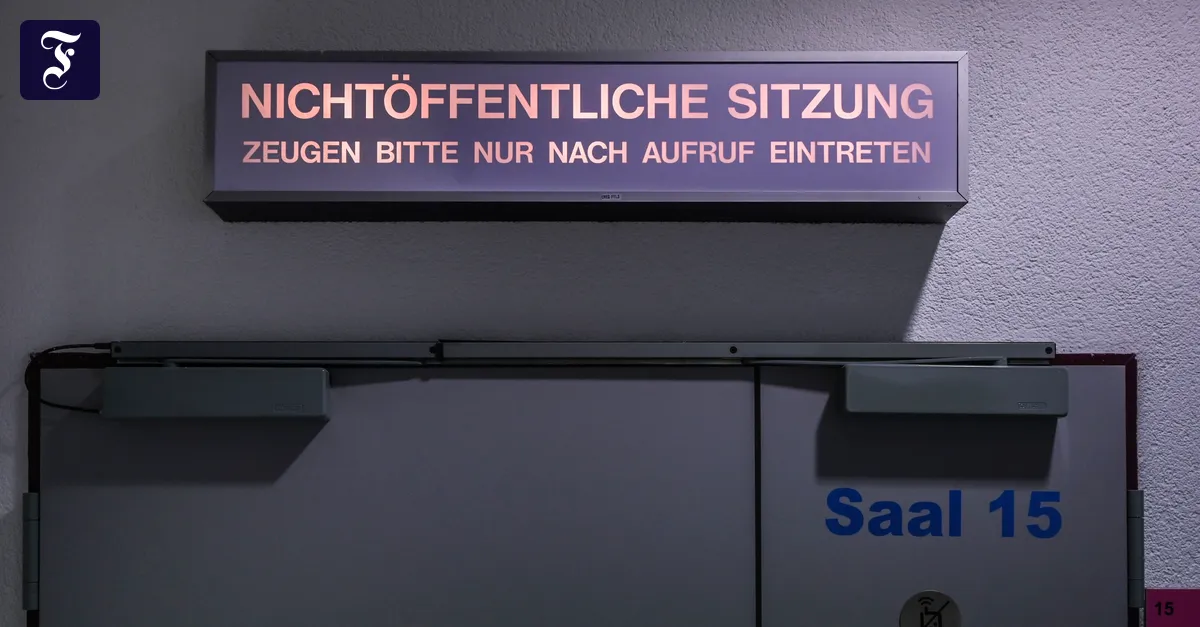
German social courts are handling a sharp rise in urgent cases, including disputes over benefits and pensions.
People can represent themselves in these courts, and some are turning to AI chatbots for help with legal filings.
Emergency cases rose 47.2% in 2025, while ordinary lawsuits increased by 9.7%, according to figures cited by a legal scholar.
The data do not show how much of the increase came from AI, and other possible factors include economic conditions and changes to laws and benefits.
The backlog of urgent cases has nearly doubled, while some filings are very long or cite sources that do not exist, requiring court staff to check them.
A court president has proposed a €15 fee for urgent applications, but some judges oppose new barriers and instead support tools to help courts sort lengthy filings.
Any fee would require a change to federal law, while the debate also includes how courts can give people clearer guidance on using AI.

German social courts are receiving more urgent applications, with emergency proceedings rising 47.2% in 2025.
The increase is adding to pressure on courts and contributing to a near-doubling of the backlog of open emergency cases.
Some legal figures say AI-generated filings may be part of the problem, but available statistics do not show how much AI contributed.
Possible causes also include economic conditions, changes in the law, and changes to migration and benefits rules.
A proposal to charge a €15 fee for emergency applications has support from some officials, while a judge has argued against creating new barriers to court access.
- Who
- German social courts and people bringing claims or urgent applications before them.
- What
- Emergency cases are rising, and courts face concern about possible AI-generated filings and growing workloads.
- When
- Emergency proceedings increased in 2025; the article was published on 27 November 2026.
- Where
- Germany, particularly its social courts.
- Why
- The rise may be linked to AI-assisted filings, but the sources say the extent is unknown; economic conditions and legal or policy changes may also be factors.
Supporters of fees or access limits
Opponents of new barriers
Court fees
Supporters of fees or access limits
Jens Blüggel proposed a €15 contribution for emergency-protection applications, and Saxony’s justice minister, Constanze Geiert, supports court fees in social courts.
Opponents of new barriers
Judge Sina Dörr opposes new barriers to access and says courts should improve procedures and use tools to structure long submissions.
Response to workload
Supporters of fees or access limits
Supporters point to rising emergency cases and pressure on court operations.
Opponents of new barriers
Dörr argues that courts should address the problem through procedural design and communication with citizens.
The time series for emergency proceedings began.
Emergency proceedings at social courts rose by 47.2%, while lawsuits rose by 9.7%.
Sina Dörr spoke at a discussion hosted by the Legal Tech Association of Germany and opposed new barriers to court access.
FAZ published its article on AI-related filings and pressure on courts.
- Emergency proceedings
- Up 47.2% in 2025
- Lawsuits
- Up 9.7% in 2025
- Open emergency cases
- Stock has nearly doubled
- Proposed contribution
- €15 for emergency-protection applications
- Data limitation
- Statistics do not identify the share of filings produced with AI
What people are saying
The emergency proceedings at social courts rose by 47.2 percent in 2025, while lawsuits rose by only 9.7 percent.
We should not start building new barriers to access, but do our homework and above all tackle procedural design.
Not stated