

Science & Tech · AI · 5 hrs ago
Claude designs 318,484 proteins, with 17 binding to scorpion toxins
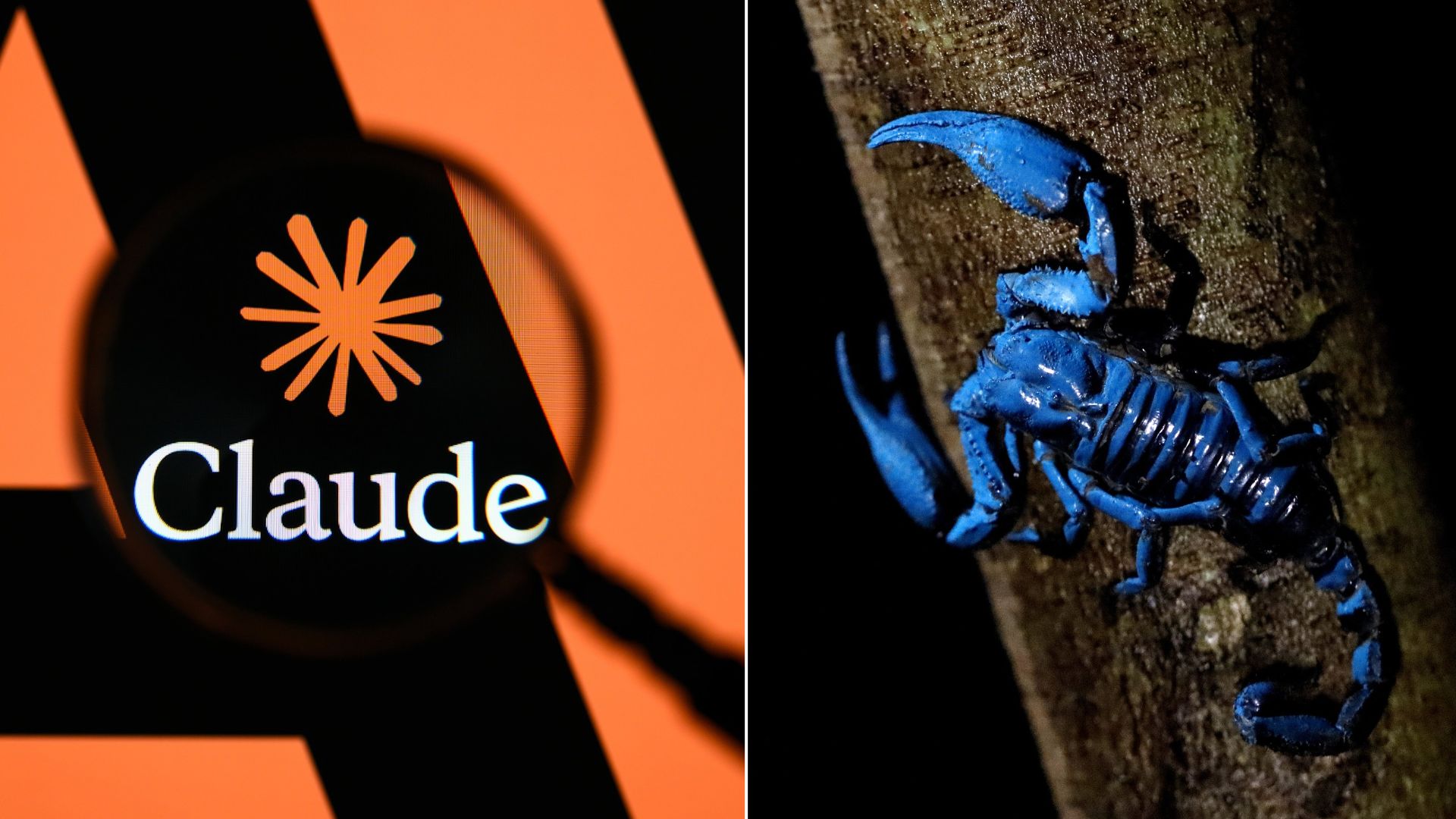
Anthropic’s Claude model designed 318,484 small proteins aimed at attaching to scorpion neurotoxins, completing the work in 64 hours.
Researchers tested 211 designs in laboratories, and 17 met the required binding tests against four toxins from scorpions found in Mexico and other regions.
Scorpion stings affect at least 1.2 million people worldwide each year and cause more than 3,250 deaths, mainly among children in places with limited medical care.
Existing antivenoms are made using antibodies from immunized animals, a process that can take months and may not work against many toxins.
The strongest designs bound tightly to a Mexican scorpion toxin, and two appeared to attach near the site targeted by an antibody that had neutralized it in mice.
But the proteins have not been shown to neutralize venom, protect animals or be safe and effective as treatment.
Further testing is needed before clinical development, and Anthropic has released the designs and test results for further research.

Claude generated 318,484 protein designs in 64 hours to target five scorpion neurotoxins.
Of 211 designs tested in laboratories, 17 met the researchers’ binding criteria.
The strongest candidates bound tightly to a toxin from a Mexican scorpion.
The results are an early research step, not evidence of a working antivenom or treatment.
Anthropic said it is releasing the designs, predicted structures and experimental results to support further research.
- Who
- Anthropic’s internal Claude research model designed the proteins, with laboratory testing by Adaptyv Bio and Twist Bioscience.
- What
- Researchers tested protein designs for binding to scorpion neurotoxins; 17 of 211 tested met the criteria.
- When
- The design campaign took 64 hours. The article was published on October 20, 2026.
- Where
- The project targeted toxins from scorpions found in Mexico, Brazil, North Africa and the Middle East. Laboratory testing was conducted by Adaptyv Bio and Twist Bioscience.
- Why
- The research aims to support antivenom development and address limitations of existing treatments, which can take months to produce and may work against only a limited range of toxins.
This story does not have two clearly opposing sides.
Claude generated 318,484 candidates and computationally screened 553,052 protein-toxin pairs over 64 hours.
Claude selected 180 designs for laboratory testing, and researchers added 31 more with the model’s assistance.
Adaptyv Bio and Twist Bioscience tested the 211 candidates; 17 met the binding criteria.
- Protein designs
- 318,484 generated in 64 hours
- Protein-toxin pairs
- 553,052 computationally screened
- Laboratory candidates
- 211 tested
- Successful designs
- 17 met binding criteria
- Strongest binding
- Single-digit nanomolar affinity to a Mexican scorpion toxin
- GPU use
- Approximately 10,000 GPU hours