

Health · Medical Research · 1 day ago
Glioblastoma Tumor Models Grown in Space Show More Aggressive Features
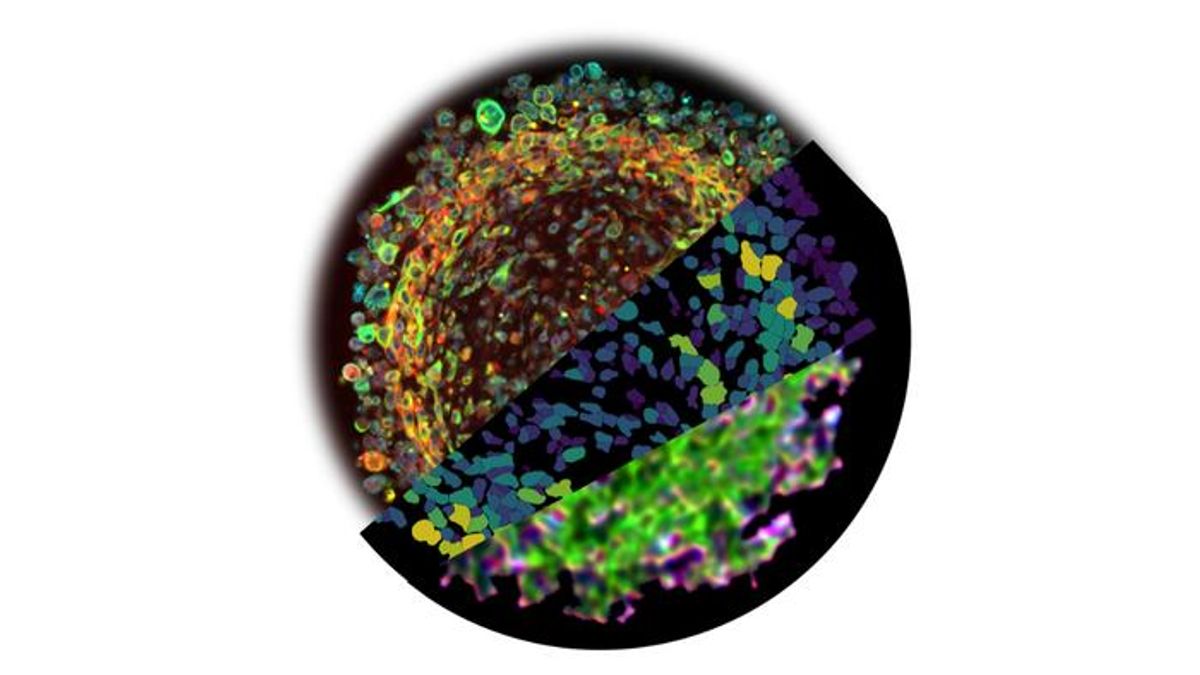
University of Notre Dame researchers worked with astronauts to grow glioblastoma and immune-cell organoids aboard the ISS for 40 days.
The returned organoids formed three-dimensional structures that differed from models grown in Earth-based labs.
Tumor organoids grown with immune cells showed more aggressive features than those grown with tumor cells alone.
The space-grown tissue also showed signs of an immune-suppressing environment that helps glioblastoma grow in the brain.
These models more closely resembled human tumors, which could help researchers study a cancer that is difficult to remove without harming nearby brain tissue.
The team plans further research, and some samples are aboard a NASA mission to resupply the space station.

Researchers at the University of Notre Dame grew glioblastoma and immune-cell organoids aboard the International Space Station for 40 days.
When grown with monocytes, the space-grown organoids showed features that more closely resembled aggressive human tumors.
The organoids had genetic and chemical signals associated with tumor aggression and an immunosuppressive environment.
The researchers said the space-grown models could help scientists study glioblastoma and develop new ways to fight it.
The study was published in PNAS.
- Who
- Researchers at the University of Notre Dame, working with astronauts aboard the International Space Station.
- What
- They grew glioblastoma and immune-cell organoids in space and analyzed them after they returned to Earth.
- When
- The organoids were grown for 40 days. The study was published on 2026-11-07.
- Where
- Aboard the International Space Station, then at the University of Notre Dame.
- Why
- To create a laboratory model that more closely resembles glioblastoma tumors and supports research into the cancer.
This story does not have two clearly opposing sides.
Researchers grew glioblastoma and immune-cell organoids aboard the International Space Station.
The organoids were returned to Earth for analysis by the Notre Dame team.
The study was published in PNAS.
- Space location
- International Space Station
- Growth period
- 40 days
- Research institution
- University of Notre Dame
- Tumor type
- Glioblastoma
- Study outlet
- PNAS
What people are saying
By growing GBM organoids on the ISS, we demonstrated that microgravity fuels a model phenotype that recapitulates human tumors better and faster than we achieve on the ground. This work helps lay the foundation for a new era of orbital oncology that moves cancer research from bedside to orbit and back again