

Health · Medical Research · 4 hrs ago
Sutter Health opens registry to study lesser-known form of dementia
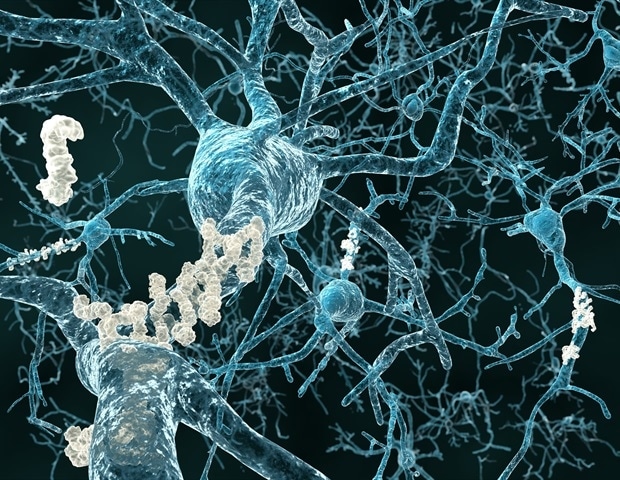
Sutter Health has launched a registry to study LATE, a form of dementia that can look like Alzheimer's disease.
LATE is linked to a buildup of the TDP-43 protein in brain areas involved in memory, rather than the amyloid and tau associated with Alzheimer's.
There are currently no specific biomarkers or known treatments for LATE, making it difficult to identify and treat.
Autopsy studies suggest LATE pathology is present in about 40% of people aged 80 and older, though it may be the main cause of cognitive decline or occur alongside other conditions.
The registry collects blood, spinal fluid and clinical information from patients who meet criteria for suspected LATE across participating Sutter Health locations in California.
At the time researchers submitted their conference abstract, they had identified 21 eligible patients, and six had agreed to take part.
Researchers aim to develop biomarkers and prepare for future treatment trials as the registry grows.

Sutter Health has opened a registry to study LATE, a lesser-known form of dementia that can resemble Alzheimer’s disease.
The registry collects biological samples and clinical data from patients who meet clinical criteria for LATE.
Researchers aim to better understand the disease, develop biomarkers and prepare for future clinical trials.
LATE is associated with abnormal TDP-43 protein buildup in brain areas critical to memory, and it has no specific biomarkers or known treatments.
Sutter researchers reported identifying 21 eligible patients, six of whom had consented to participate at the time of abstract submission.
- Who
- Sutter Health researchers launched the LATE Biobank Registry.
- What
- The registry collects biological samples and clinical data from patients with suspected LATE to support research.
- When
- It opened for enrollment in May 2026. Early findings were scheduled for presentation on Nov. 18.
- Where
- Eligible patients can enroll through participating Sutter Health affiliates across California.
- Why
- Researchers aim to understand LATE, develop and validate biomarkers, and lay the groundwork for future clinical trials.
This story does not have two clearly opposing sides.
The Alzheimer's Association released clinical criteria for LATE.
Sutter's LATE Biobank Registry opened for enrollment.
Shawn Kile was scheduled to present early registry findings at the Clinical Trials on Alzheimer's Disease conference in Boston.
- Registry
- LATE Biobank Registry
- Enrollment opened
- May 2026
- Patients identified
- 21 met eligibility criteria at the time of abstract submission
- Consented participants
- Six at the time of abstract submission
- Enrollment area
- Participating Sutter Health affiliates across California
- Autopsy-study estimate
- LATE pathology appears in approximately 40% of people age 80 and older
What people are saying
Based on autopsy studies, we are learning that LATE pathology is showing up in approximately 40% of people age 80 and older. This is significant.
By collecting blood and cerebrospinal fluid from clinically suspected cases over time, this biobank registry can help us close current knowledge gaps and, ultimately, move toward a biomarker-driven diagnosis and more precise treatments for LATE.
A health system like Sutter can leverage their patients to advance dementia research, from identifying patients in clinical care and collecting samples over time to studying new biomarkers and preparing for future trials.
The LATE registry demonstrates the broader promise of the Sutter Biobank: connecting biological samples with rich clinical information from patients receiving care across our system.