Health · Mental Health · 2 days ago
Skepticism Means Examining Evidence, Not Assuming You Are Right
Being skeptical means questioning ideas and checking the evidence.
It does not mean your own opinion is right by default.
Sometimes the best choice is to wait for more information.
This matters because questioning a claim without evidence can become cynicism, not careful thinking.

A Psychology Today article argues that skepticism does not make a person’s own opinion correct by default.
The author says skepticism involves challenging ideas, withholding judgment when evidence is insufficient, considering findings from different perspectives and changing position when evidence warrants it.
The article says critical thinkers may delay a decision when they need more information, rather than filling uncertainty with an unsupported alternative.
The author distinguishes evidence-based criticism of a proposed solution from cynicism, which the article describes as saying a solution will fail without evidence.
The article says rejecting one side or political party does not mean the opposing side or party should be supported by default.
- Who
- The author of the Psychology Today article; the author’s name is not stated.
- What
- An opinion article about the meaning of skepticism and its relationship to critical thinking.
- When
- Published October 9, 2026.
- Where
- Psychology Today.
- Why
- To explain that skepticism requires examining evidence and does not justify treating one’s own view as fact.
This story does not have two clearly opposing sides.
Don’t assume, because you’re skeptical of a concept, what you believe is correct by default.
Both ideas can be wrong.
Saying it won’t work without evidence is akin to cynicism.
This story does not have a timeline yet.
- Outlet
- Psychology Today
- Publication date
- October 9, 2026
- Article title
- What People Get Wrong About Skepticism
- Referenced work
- Dwyer, 2017; 2025
Sources
Related news

UNICEF Korea and Tomorrow X Together launch youth mental health chatbot

Gifted education expert warns Brazil’s new student register could exclude some children

Study links cannabis-related anxiety in mice to central amygdala neurons
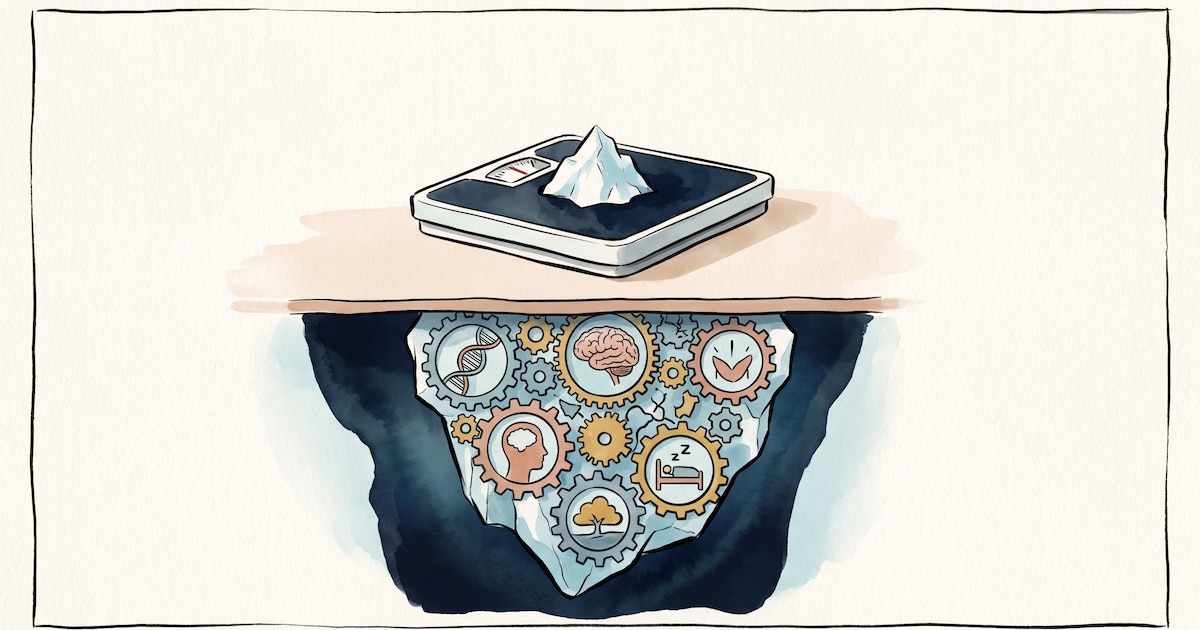
Psychological support can improve weight-loss treatment

Interest in Wellness Rooms Grows as Research Examines Nature and Health
Why “I’m Sorry You Feel This Way” Can Sound Like a Non-Apology

Ambition Can Help People Succeed but May Also Undermine Trust
Couples urged to consider consensual masturbation as a shared sexual option

Fathers’ Regret Can Reflect What They Lost in Themselves
Psychotherapist links anxiety, anger and creativity

Mother’s work commitment clashes with urgent care for her daughter