

Politics · India · 6 hrs ago
India's Supreme Court to examine privacy rights at public protests
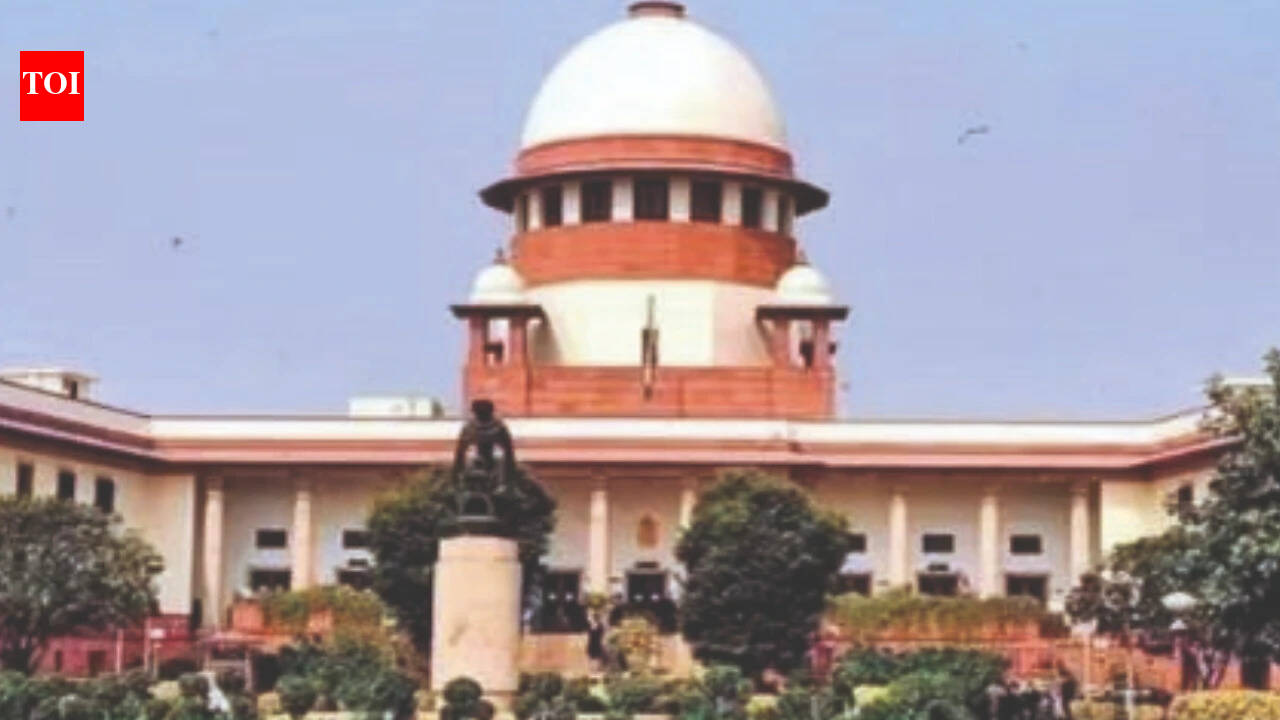
India's Supreme Court will examine protesters' privacy rights after lawyers raised concerns about police surveillance at public demonstrations in Delhi.
They say Delhi Police's use of CCTV cameras and facial recognition could expose protesters' personal information or lead to harassment.
The court will consider when surveillance crosses a privacy line, including whether using facial recognition to identify people and trace their histories is different from filming them in public.
The government says cameras were used to keep protesters safe, and that police did not use iris scans; it says facial recognition checks matched people against a criminal database.
The case weighs privacy against the state's security interests, while the court also noted that laws allow the state to collect some identification data.
The court has issued notice on the petition and joined it to other cases challenging facial recognition tools.
The court will examine the challenge next, though no further timetable is given.

India's Supreme Court agreed to examine whether surveillance of people at public protests can violate their right to privacy.
Petitioners said Delhi Police's use of CCTV cameras and facial recognition tools raised privacy concerns.
The government said cameras were installed to protect protesters and that facial recognition was used to investigate people with criminal records.
The court said it would consider whether using facial recognition to trace a person's history infringes privacy.
The court issued notice on the petition and grouped it with other petitions challenging facial recognition tools.
- Who
- India's Supreme Court is hearing a petition brought by political activist and advocate Prashant Bhushan.
- What
- The court will examine privacy rights of people at public protests, including the use of CCTV and facial recognition.
- When
- Tuesday, November 3, 2026.
- Where
- India; the case concerns protests in public places and Delhi Police surveillance.
- Why
- The petition alleges that surveillance and the use of data from protests could breach privacy or lead to harassment.
Protesters' privacy advocates
Government
Surveillance at protests
Protesters' privacy advocates
Prashant Bhushan said CCTV and facial recognition, and use of the resulting data, require scrutiny to prevent public disclosure or harassment.
Government
Solicitor-General Tushar Mehta said CCTV cameras were installed for protesters' safety and that facial recognition was used to investigate people with criminal records.
Privacy in public places
Protesters' privacy advocates
The petition asks the court to examine whether surveillance of protesters breaches privacy.
Government
Mehta argued that people who choose to protest in a public place cannot seek protection of privacy.
A march to Parliament called by CJP took place, which Mehta described as illegal and said involved violence and damage to public property.
The Supreme Court agreed to examine privacy rights at public protests and issued notice on Bhushan's petition.
- Court
- India's Supreme Court
- Petitioner
- Prashant Bhushan
- Surveillance at issue
- Delhi Police CCTV cameras and facial recognition tools
- Law cited
- Criminal Procedure (Identification) Act, 2022
- Related protest
- CJP's July 20 march to Parliament
What people are saying
One cannot choose to protest in a public place and seek protection of privacy.
It was primarily to ensure the safety of women.
When a person stands in a public place, what is his reasonable expectation?