

Politics · Indonesia · 3 hrs ago
Sahroni backs review of Indonesia's corruption law definition
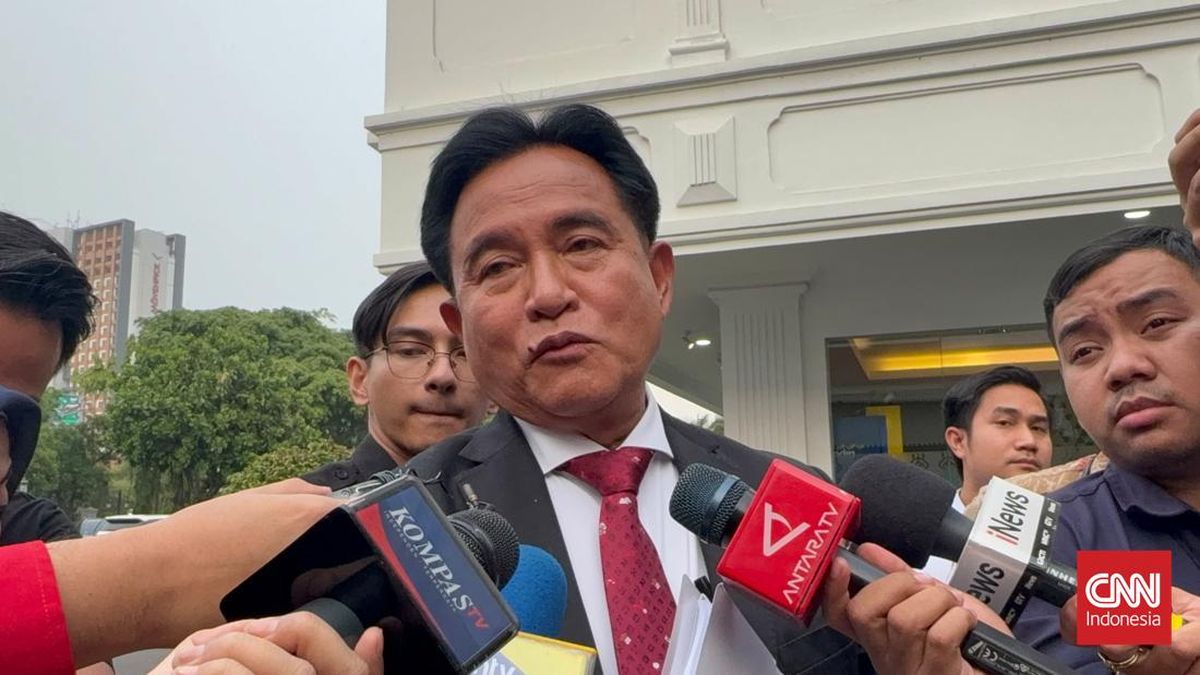
Indonesian lawmaker Ahmad Sahroni supports reviewing the definition of corruption in the country's anti-corruption law.
President Prabowo Subianto has asked officials to study a proposal from National Economic Council chair Luhut Binsar Pandjaitan.
The proposal would examine whether state losses should be distinguished from corruption by officials.
Sahroni says corruption occurs when officials take public money for personal gain, harming the public.
He argues that state businesses should be run by people with relevant expertise and should aim to make a profit.
A clearer definition could affect how losses in state businesses are treated, while corruption involving personal gain would remain distinct in Sahroni's view.
Any changes to the law would follow further study, which Prabowo ordered but has not yet endorsed as a specific proposal.

Ahmad Sahroni backed a review of Indonesia’s corruption law definition and said losses by state businesses should be distinguished from corruption by officials for personal gain.
President Prabowo Subianto instructed officials to study a proposal to redefine corruption, but said the instruction did not mean he had approved the proposal.
The proposal came from National Economic Council chair Luhut Binsar Pandjaitan, who later said it would not remove state financial losses from the definition of corruption.
Coordinating Minister Yusril Ihza Mahendra said the review should also consider aligning the law with the United Nations Convention Against Corruption.
Sahroni said he supported revising the law if the review clarified the meaning of corruption.
- Who
- Ahmad Sahroni, deputy chairman of the House of Representatives’ Commission III, backed the review. President Prabowo ordered officials to study the proposal.
- What
- Officials are reviewing a proposal to redefine corruption and the treatment of state-business losses under Indonesia’s corruption law.
- When
- Prabowo ordered the study on October 26, 2026. Sahroni voiced support on October 27.
- Where
- Jakarta, Indonesia.
- Why
- The proposal followed concerns that losses by state-owned companies can be treated as corruption, and that the law should be aligned with the UN Convention Against Corruption.
This story does not have two clearly opposing sides.
Luhut said he had presented the National Economic Council’s proposal on the definition of corruption to Prabowo.
Prabowo instructed officials to conduct a deeper study of the proposal.
Yusril said the proposal drew on experience managing state-owned companies and discussed aligning the law with the UN Convention Against Corruption.
Sahroni backed a possible revision of the corruption law after the study clarifies the proposal.
- Sahroni
- Deputy chairman of Commission III of the House of Representatives
- Prabowo’s instruction
- Conduct a deeper study of the corruption definition
- Proposal source
- Luhut Binsar Pandjaitan, chair of the National Economic Council
- International convention
- United Nations Convention Against Corruption, ratified by Indonesia in 2006
- Existing law
- Law No. 20 of 2001 amending Law No. 31 of 1999 on corruption eradication
2 sources
What people are saying
I strongly agree, and the Corruption Law does need to be revised so it does not target the wrong cases.
The President stressed that this does not mean he has already agreed with what the National Economic Council said, but that he asked for a more in-depth study so we can formulate a definition of corruption suited to the situation our country faces.
In other countries, this is not considered corruption; it is considered an ordinary business loss. It is called force majeure.