

Business · Companies · 7 hrs ago
Metal industry agreements limit sick-leave salary top-ups
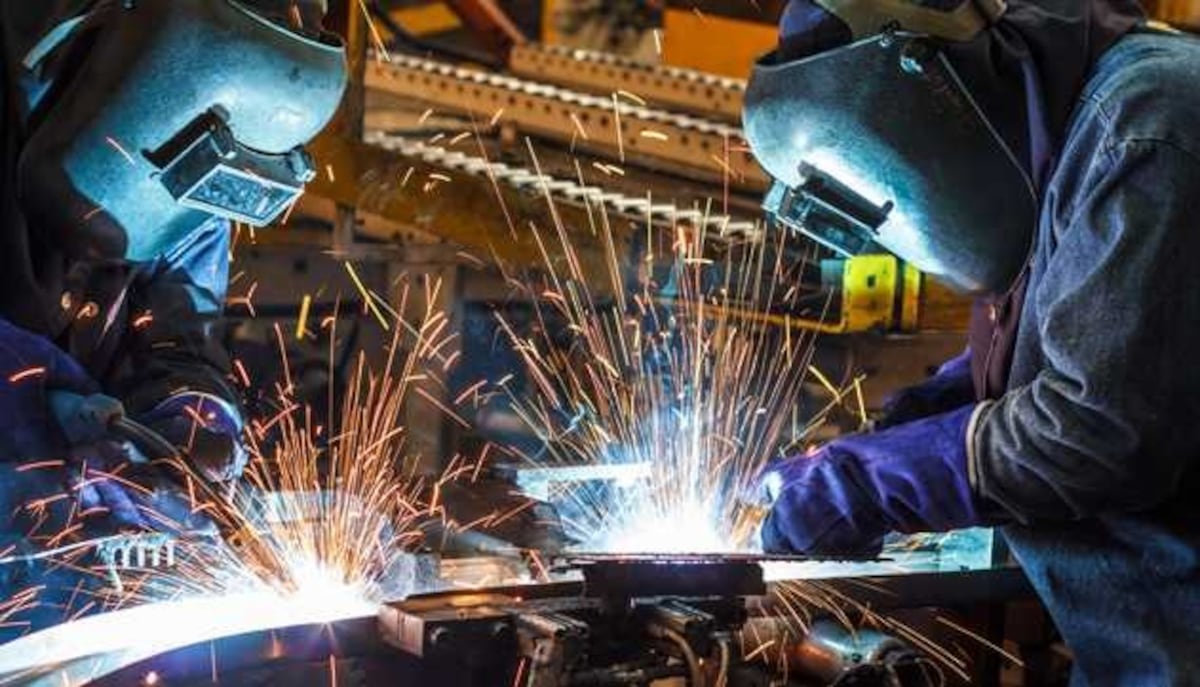
In Spain, metal-sector agreements are limiting sick-leave pay top-ups that employers have often used to bring workers’ pay to 100% of their salary.
The changes mainly affect leave for common illnesses, and many agreements cap full-pay top-ups at 100 to 200 days or delay when they begin.
More than 140,000 of the sector’s 2.7 million workers are absent each day, according to a study covering 2021 to 2024.
The study also found that sick-leave cases rose from 17 per 1,000 workers in 2021 to 31 in 2024, while related costs increased by more than 90%.
By law, workers on leave for common illness receive no benefit for the first three days, then 60% of their calculation base through day 20 and 75% from day 21; work-related illness or injury is treated differently.
Some agreements now delay or reduce full-pay compensation: Burgos starts top-ups to 100% only after day 30, while Castellón ends the employer’s obligation after day 70.
Talks on reforming sick-leave management have stalled after an early election, so sector agreements are setting limits in the meantime.

Metal-industry agreements in several Spanish provinces are limiting salary top-ups for workers on sick leave, particularly for common illnesses.
The measures aim to curb rising absenteeism and costs linked to sickness absence.
A Confemetal study found that more than 140,000 of the sector’s 2.7 million workers were absent each day.
The study said costs from common-illness absences rose by more than 90% during 2021-2024, nearing €2.9 billion in the period’s final year.
Many agreements cap top-ups to full salary at 100 to 200 days, while others reduce the top-up or delay when it begins.
- Who
- Metal-industry employers and workers negotiating provincial collective agreements.
- What
- Agreements are limiting or changing salary top-ups for workers on temporary sick leave, especially for common illnesses.
- When
- The trend is described in a 2025 analysis that also includes agreements for 2026.
- Where
- Spain, across provincial metal-industry agreements.
- Why
- To try to curb rising absenteeism and the costs associated with sickness absence.
This story does not have two clearly opposing sides.
Confemetal’s study period for figures on absence rates and related costs in the metal sector.
The sector recorded 31 sick-leave cases per 1,000 workers, up from 17 three years earlier.
Confemetal’s analysis examined collective agreements, including agreements for 2026.
- Workers in the sector
- 2.7 million
- Daily absences
- More than 140,000 workers
- Absence-related cost
- Nearly €2.9 billion in the final year of 2021-2024
- Sick-leave cases in 2024
- 31 per 1,000 workers
- Typical cap on full-salary top-ups
- 100 to 200 days