

Politics · India · 1 hr ago
Cabinet clears bill to pave way for delimitation in India
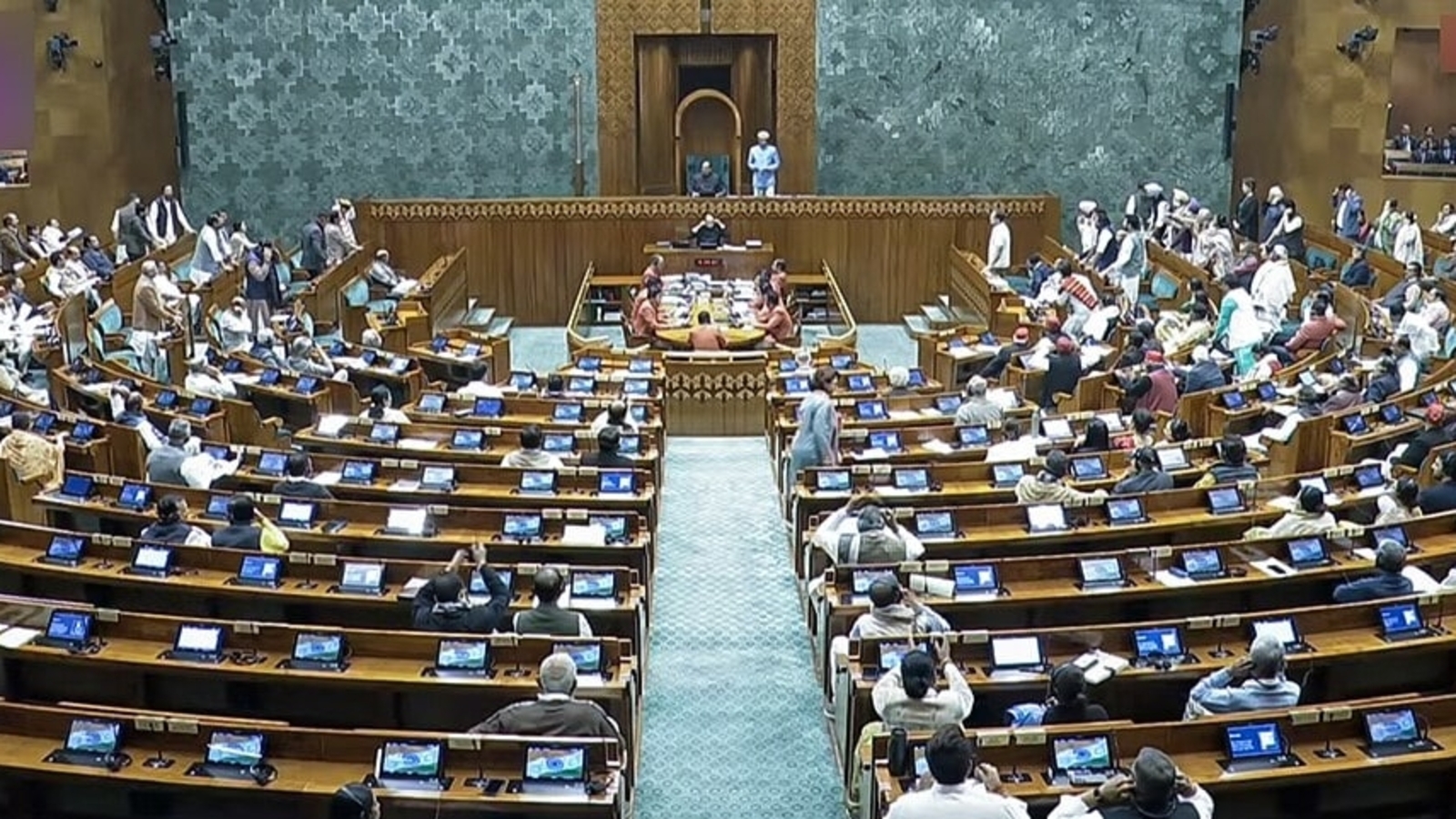
India’s Union Cabinet has cleared a bill to pave the way for delimitation across the country.
Delimitation redraws electoral constituency boundaries and allocates seats among states and territories based on population.
The bill is intended to help implement the one-third reservation for women in the Lok Sabha and state assemblies, provided for in a 2023 constitutional amendment.
That law links the start of the reservation to a delimitation exercise after a Census.
India’s 1976 constitutional amendment froze the allocation of Lok Sabha seats among states based on the 1971 Census, to protect states that had made progress in family planning from losing representation.
A 2002 exercise later redrew constituency boundaries but did not change the number of Lok Sabha seats allotted to each state.
The Cabinet’s clearance is a step towards the bill’s aim, but the sources do not say what happens next.

The Union Cabinet cleared bills to increase Lok Sabha seats by 50% in every state and Union Territory and freeze the allocation until 2051.
The proposed maximum strength of the Lok Sabha would rise to 850, with 815 seats for states and 35 for Union Territories with assemblies.
The bills would enable delimitation and one-third reservation for women in Parliament and state assemblies.
The proposed increase would preserve each state’s existing share of Lok Sabha seats while constituency boundaries are redrawn using 2011 Census figures.
The constitutional amendment requires a two-thirds majority in both Houses of Parliament and ratification by at least half of the states.
- Who
- The Union Cabinet cleared the bills. Parliament would need to pass the constitutional amendment.
- What
- The bills propose a 50% increase in seats, a freeze on seat allocations until 2051, and a path to women’s reservation through delimitation.
- When
- The Cabinet cleared the bills on Friday, November 27, 2026. The government plans to table them in the Lok Sabha on November 30.
- Where
- India.
- Why
- The bills aim to facilitate delimitation and put one-third reservation for women into effect in the Lok Sabha and state assemblies.
This story does not have two clearly opposing sides.
The government introduced a previous constitutional amendment bill and linked legislation, but the bill failed to secure the required majority.
The Union Cabinet cleared the new bills.
The government is set to table the bills in the Lok Sabha.
- Proposed Lok Sabha maximum
- 850 seats
- Proposed seats for states
- 815
- Proposed seats for Union Territories with assemblies
- 35
- Proposed increase
- 50% in seats in each state and Union Territory
- Delimitation freeze
- Until 2051
- Women’s reservation
- One-third of seats, proposed from 2029
9 sources
Cabinet clears 50% Lok Sabha seat hike, freezes share till 2051
Cabinet clears bills to raise 50% Lok Sabha seats across states, freeze delimitation till 2051
What people are saying
The proposed bill would facilitate delimitation and put in operation the reservation of seats for women in the House of the people and the legislative assemblies.
the share of Tamil Nadu, which has 39 LS seats, should not fall below its current 7.18%