

Science & Tech · Science & Environment · 2 hrs ago
Researchers turn plastic waste into materials that collect water from air
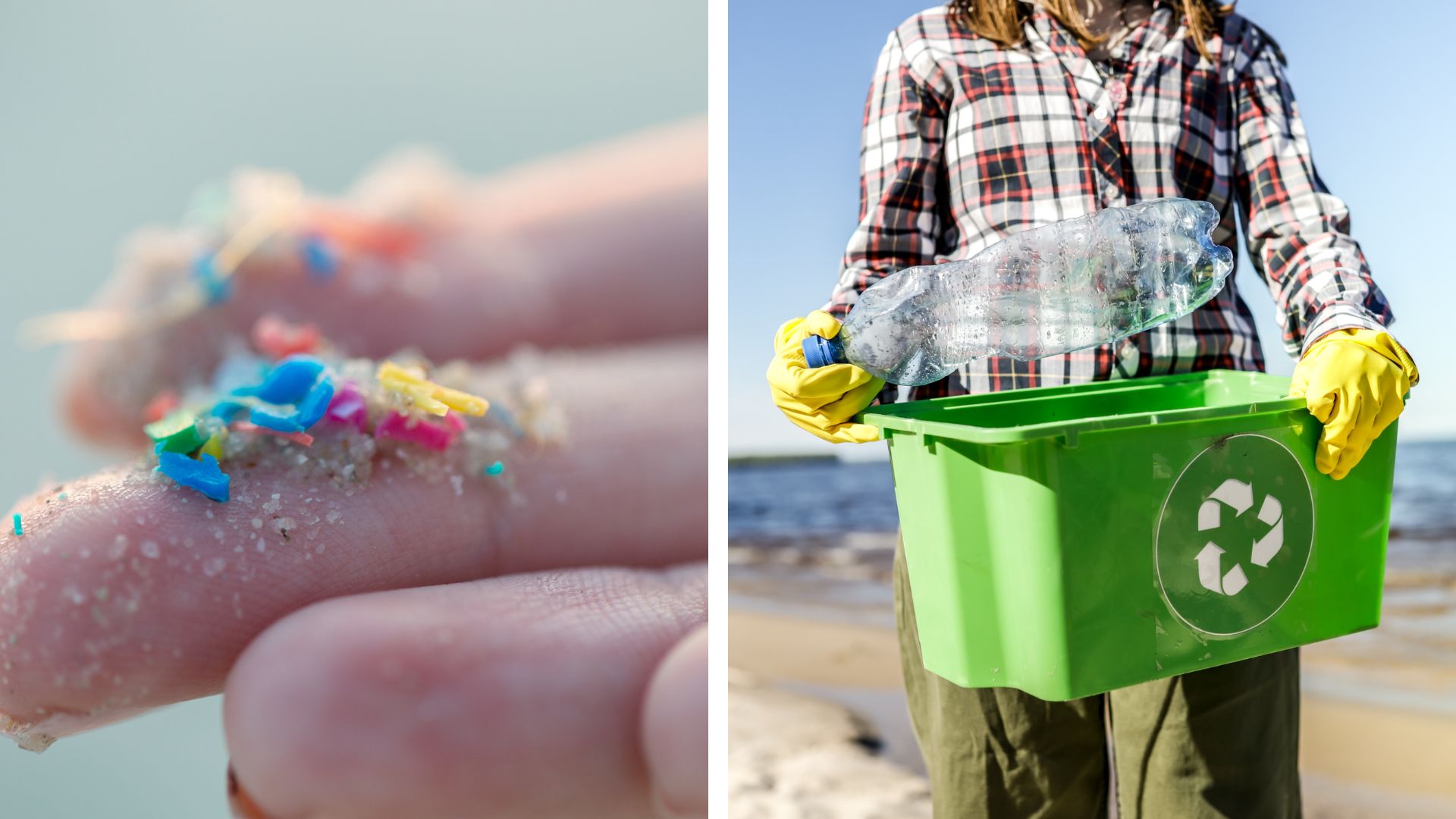
University of Vienna researchers turned several types of plastic waste into water-attracting sponges.
They used packaging plastics, old CDs and LEGO bricks to make porous polymer networks, then treated them with sulfuric acid so they attract water.
The materials can collect moisture even in dry air, where a sponge made from general-purpose polystyrene took up about 20% of its own weight in water.
In humid air, that sponge took up almost 60% of its weight.
Mild heat, including sunlight, releases the captured water for collection, and most of the process happens within about an hour.
The sponges held up through repeated cycles, offering a possible way to reuse plastic waste while collecting water from air.
The team also tested a mixture of waste plastics, which suggests some compatible waste streams may need less sorting.
Further work will assess durability, costs and environmental impacts before the method's potential scale and contribution to water supply can be determined.

Researchers at the University of Vienna have developed a method to turn several types of plastic waste into materials that capture water from air.
The materials can take up moisture in dry conditions and release it again with moderate heating, such as sunlight.
The researchers tested plastics from packaging, old CDs and LEGO bricks, as well as a selected mixture of waste plastics.
A sponge made from general purpose polystyrene adsorbed almost 60% of its own weight in water from humid air and 20% in dry, desert-like conditions.
Further work is needed to assess long-term performance and the resources required to produce the materials.
- Who
- Materials chemists from the University of Vienna.
- What
- They developed a method to convert aromatic plastic waste into polymer networks that capture water from air.
- When
- Not stated.
- Where
- The researchers are from the University of Vienna; the location of the work is not stated.
- Why
- To give plastic waste another use and create materials for atmospheric water harvesting.
This story does not have two clearly opposing sides.
This story does not have a timeline yet.
- Research institution
- University of Vienna
- Plastic feedstocks
- Polystyrene packaging, polycarbonate CDs, and acrylonitrile butadiene styrene LEGO bricks
- Water uptake in humid air
- Almost 60% of the sponge's own weight
- Water uptake in dry conditions
- 20% of the sponge's own weight
- Release method
- Moderate heating, such as sunlight
1 source
What people are saying
We demonstrate this approach using aromatic waste plastics from packaging, compact discs, and LEGO bricks. Hypercrosslinking and sulfonation transform these substrates into polymer networks for water capture, giving existing polymeric materials a second service life without first breaking them down into monomers.