

Business · Companies · 9 hrs ago
India weighs subsidies for domestic battery component makers
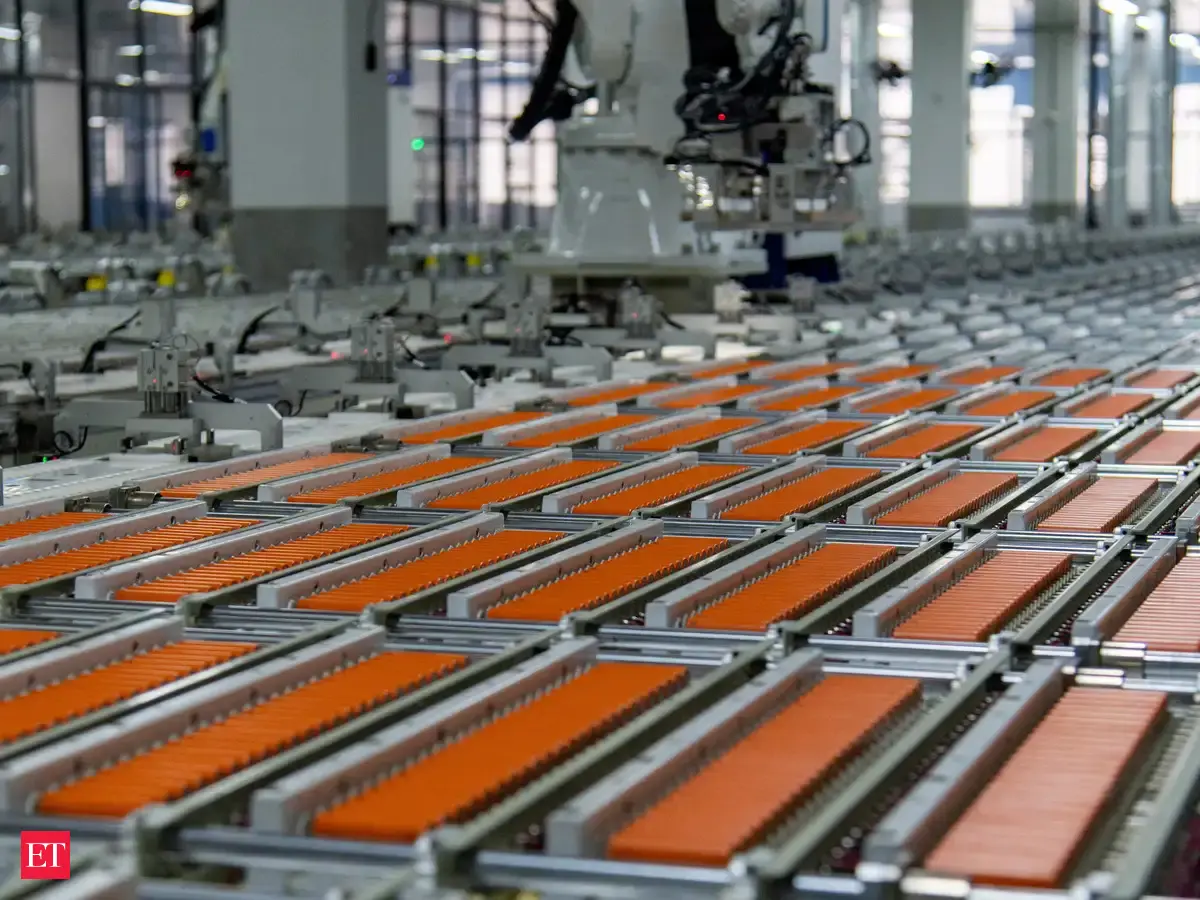
India’s heavy industries ministry is considering support for battery component makers to expand local production.
It is weighing three options: a 25% capital subsidy with sales incentives, sales incentives alone, or a capital subsidy of up to 50%.
The proposed scheme would cover materials such as battery cathodes, anodes, electrolytes, separators and copper foil, for use in electric vehicles, energy storage and electronics.
Its goal is to build enough domestic component capacity to support at least 50 GWh of battery cell manufacturing each year by 2032.
The push aims to reduce reliance on imports, as Indian production costs are estimated to be 18% to 61% higher than Chinese benchmark prices, depending on the product.
The ministry expects to decide the scheme’s final details shortly.

India’s Ministry of Heavy Industries is considering subsidies and sales-linked incentives for domestic battery material and component makers.
The ministry is weighing three support models, including capital subsidies of up to 50% of project costs.
The proposed scheme aims to build domestic component capacity sufficient to support at least 50 GWh of annual cell manufacturing by 2032.
It could cover cathode and anode materials, electrolytes, separators and battery-grade copper foil, while aluminium foil could be excluded.
A decision on the scheme’s final contours is expected shortly, an official said.
- Who
- India’s Ministry of Heavy Industries is considering the scheme for domestic battery material and component makers.
- What
- The ministry is weighing capital subsidies and sales-linked incentives to support local manufacturing.
- When
- A decision on the scheme’s final contours is expected shortly.
- Where
- India.
- Why
- To reduce import dependence and build a local battery supply chain.
This story does not have two clearly opposing sides.
Economic Times reported that the government was firming up a scheme to promote domestic battery component manufacturing.
The Economic Times reported that the ministry was weighing three models of support and that a decision was expected shortly.
- Capital subsidy option
- Up to 50% of project costs
- Annual cell manufacturing target
- At least 50 GWh by 2032
- Manufacturing cost gap
- 18% to 61% above landed Chinese benchmark prices
- Cell manufacturing costs
- Materials and components account for about 76%
- Import concentration
- Chinese companies account for as much as 80% of global copper foil capacity
What people are saying
The support is expected across end uses, including electric vehicles, stationary energy storage and electronics, rather than restricting eligibility to particular applications