

Business · Energy & Commodities · 1 hr ago
EU rejects Arctic oil and gas drilling, citing climate goals and long lead times
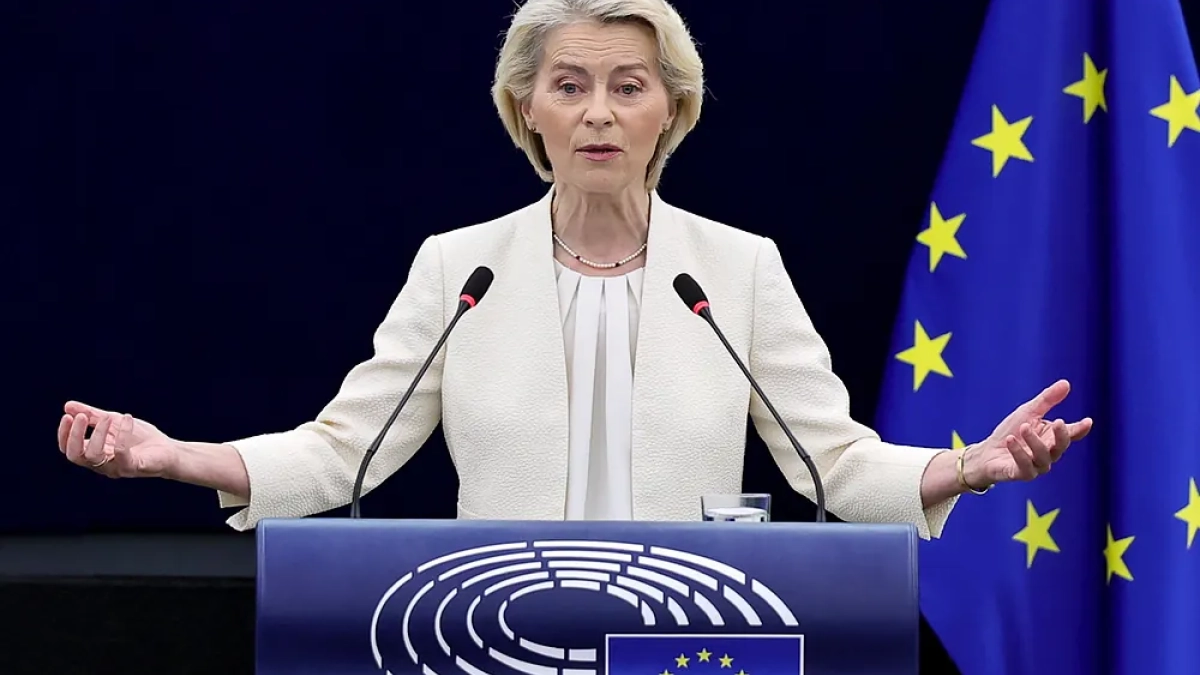
The European Union has reaffirmed that it opposes drilling for oil and gas in the Arctic in a new strategy presented by Commission President Ursula von der Leyen.
The decision comes during an energy crisis, with oil and gas prices reported at two to three times their levels before the war in Iran.
The EU says new Arctic extraction could take up to a decade to begin, by which time its climate targets are expected to reduce the need for fossil fuels.
Those targets call for a 90% cut in emissions by 2040 and climate neutrality by 2050.
The bloc also says it will not buy hydrocarbons sourced from the Arctic, while arguing that a clear stance can send a political message in support of a drilling moratorium.
The EU sees potential in Arctic critical minerals for its green and digital transitions, as it currently depends on China, which controls 90% of their processing.
Any mineral extraction in the region would have to meet the highest environmental standards.

The European Union has rejected oil and gas drilling in the Arctic in its updated strategy for the region.
The European Commission says new exploration and extraction projects could take up to a decade to become operational.
It argues that EU climate targets will reduce and then phase out the need for fossil fuels for power generation.
The EU also says it will not buy Arctic hydrocarbons extracted by other countries.
The strategy identifies critical raw materials as an opportunity, but says extraction must meet high environmental standards.
- Who
- The European Union, with the strategy presented by European Commission President Ursula von der Leyen.
- What
- The EU rejected Arctic oil and gas drilling and said it would not buy hydrocarbons extracted there by other countries.
- When
- The updated strategy was presented on October 21, 2026.
- Where
- The Arctic region.
- Why
- The Commission cited the fragility of the Arctic ecosystem and said projects could take up to a decade to become operational, by which time EU climate goals are expected to reduce fossil-fuel use.
This story does not have two clearly opposing sides.
Brussels presented its previous strategy for the Arctic region.
The European Commission debated whether to soften its position on new Arctic drilling.
Ursula von der Leyen presented the updated Arctic strategy to the European Parliament in Strasbourg.
- Strategy presented
- October 21, 2026
- Potential project lead time
- Up to a decade
- EU emissions target
- 90% reduction by 2040
- EU climate target
- Climate neutrality by 2050
- China’s share of critical-minerals processing
- 90%
What people are saying
oil, coal and gas remain in the ground
As the Arctic becomes more accessible, it also becomes more important for Europe’s economic security: critical raw materials essential for our green and digital transitions, new maritime routes reshaping global trade and connectivity infrastructure that will define the future of the region. These are opportunities.