

Politics · India · 1 hr ago
New PUC rules give newer BS-VI vehicles longer certificate validity
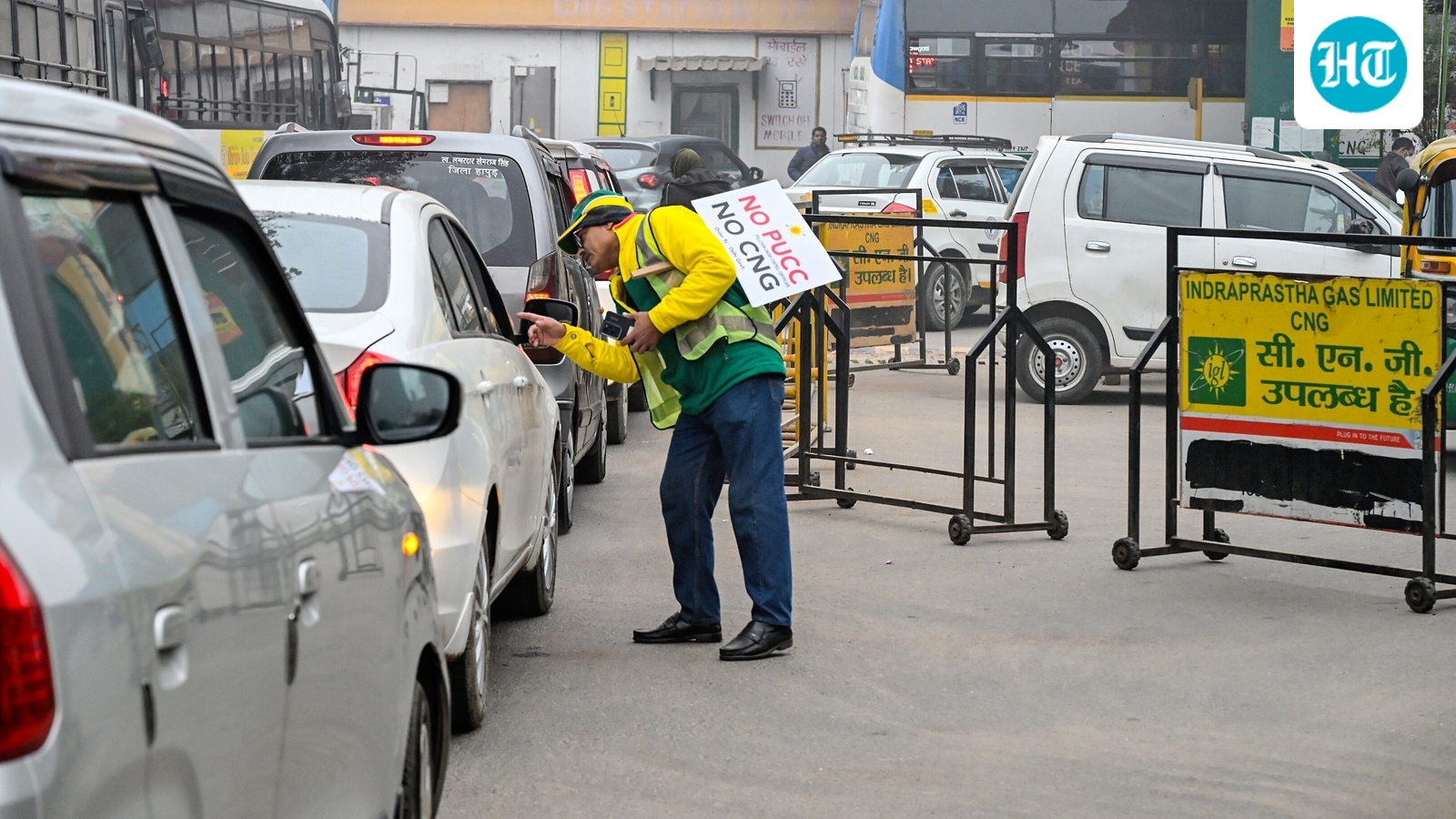
India’s road transport ministry has changed how often vehicles need pollution checks under its revised Pollution Under Control certificate rules.
The schedule depends on a vehicle’s emission standard, age and whether it is private or commercial.
Private BS-VI vehicles up to six years old get three-year certificates, up from one year; commercial vehicles in that group get two years.
BS-VI vehicles aged six to 10 years need yearly tests, while those older than 10 years need tests every six months.
Older vehicles face more frequent checks: BS-IV vehicles need testing every six months, and BS-I to BS-III vehicles every three months.
The rules take effect at each vehicle’s first renewal after they come into force, so existing certificates remain valid until they expire.
Experts say testing intervals alone may not cut emissions if vehicles are poorly maintained, and have called for added tests to measure pollutants such as particulate matter and nitrogen oxides.

India has changed how often vehicles must renew Pollution Under Control certificates, with schedules based on emission standard, vehicle age and use.
Private BS-VI vehicles up to six years old will have certificates valid for three years, up from one year.
BS-IV vehicles must renew every six months, while BS-I to BS-III vehicles must renew every three months.
BS-VI vehicles aged six to 10 years will renew annually, and those older than 10 years every six months.
Experts said the revised intervals may not reduce emissions enough without better maintenance and additional testing.
- Who
- India’s road transport ministry set the revised certificate schedules. Vehicle owners are affected.
- What
- The government changed how often vehicles must renew Pollution Under Control certificates.
- When
- The changes took effect on Thursday, November 19, 2026.
- Where
- India.
- Why
- The ministry cited lower emissions from BS-VI vehicles and the higher pollution potential of older vehicles.
This story does not have two clearly opposing sides.
The road transport ministry notified the revised certificate schedules, which took effect that day.
The new schedules apply when a vehicle’s current certificate expires and is renewed.
- Private BS-VI vehicles up to 6 years old
- 3-year certificate validity
- BS-VI transport vehicles up to 6 years old
- 2-year certificate validity
- BS-IV vehicles
- Renewal every 6 months
- BS-I to BS-III vehicles
- Renewal every 3 months
- BS-VI vehicles over 10 years old
- Renewal every 6 months
3 sources
What people are saying
If a BS-VI vehicle is not maintained, then it can cause even more emissions than BS-IV
The current PUC certification does not show particulate matter (PM) or nitrogen oxides (NOx) emissions, which are important criteria pollutants from a public health perspective.
It will therefore be important to introduce additional testing going forward to complement the PUC.