

Politics · Other · 3 hrs ago
Spanish Socialists back more flexible EU rules for Moroccan industry
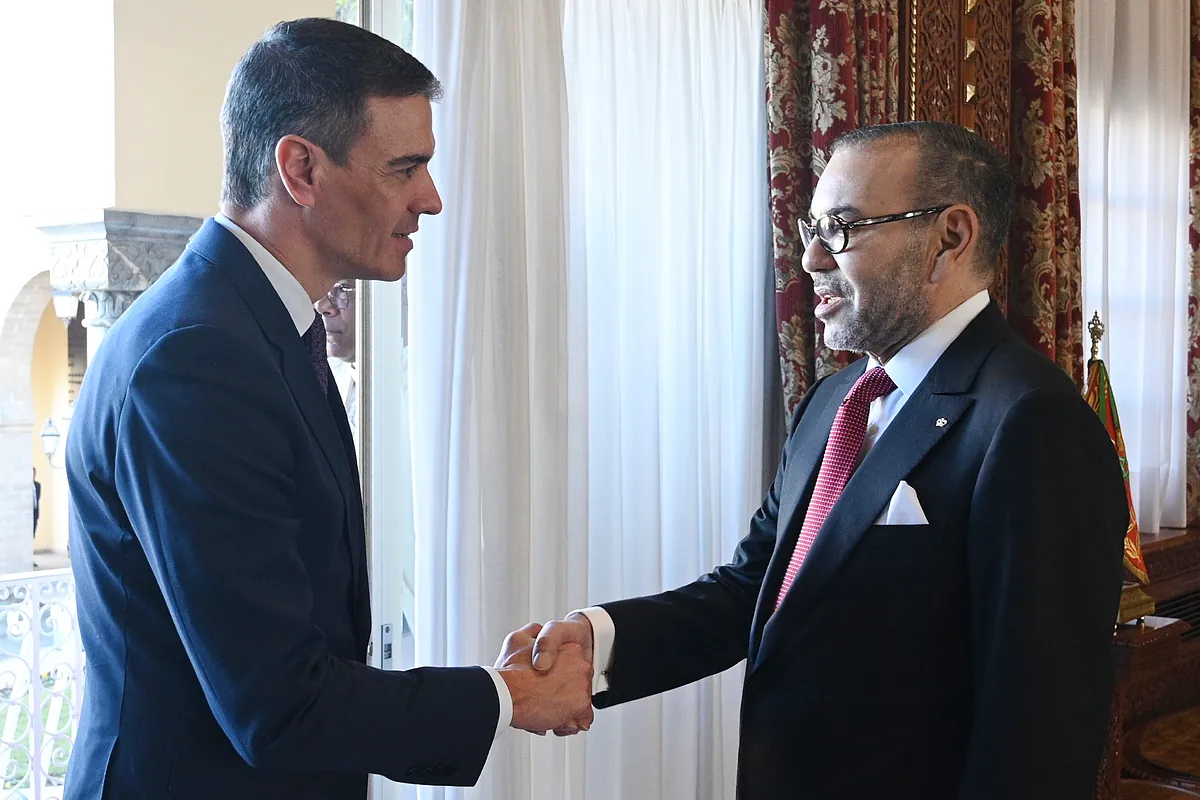
The European Union is negotiating an industrial-protection law intended to support products made in Europe and the jobs linked to them.
Morocco wants its industrial components and cars assembled there to receive more favourable treatment under the rules.
A proposed amendment by Spanish Socialist MEPs would allow temporary flexibility for countries with certain ties to the EU, including Morocco, Turkey and Serbia.
Spain’s Industry Minister Jordi Hereu supports keeping Moroccan production in European car supply chains, which include factories linked to Stellantis and Renault.
The People’s Party opposes the amendment, arguing that European benefits should favour European-made goods and that third-country products should not qualify automatically.
The proposal is part of ongoing negotiations in the European Parliament, where the rules have not yet been settled.

A dozen Spanish Socialist MEPs have proposed more flexible EU industrial rules for countries with existing agreements with the bloc, a change that could benefit Morocco.
The European Commission’s proposed Industrial Acceleration Regulation aims to protect European-made products and jobs from competition from third countries, particularly China.
The Socialist amendment calls for more favorable treatment during a transitional period for countries with association agreements, customs-union membership or European Economic Area membership.
Spain’s Industry Minister Jordi Hereu has also argued that Moroccan production should not be excluded from the European automotive value chain.
Spain’s People’s Party opposes the amendment, saying EU rules should favor European-origin products and components and protect European production and jobs.
- Who
- A dozen Spanish Socialist MEPs have proposed the amendment. The People’s Party opposes it.
- What
- The amendment seeks more flexible EU industrial rules for some third countries, potentially including Morocco.
- When
- The negotiations were ongoing when the article was published on November 3, 2026.
- Where
- The proposal concerns EU rules being negotiated in the European Parliament.
- Why
- Supporters say some third countries are part of European industrial value chains; the PP says the rules should protect European production and jobs.
Spanish Socialists and supporters of flexible rules
Spain’s People’s Party
Policy
Spanish Socialists and supporters of flexible rules
They seek more favorable, flexible treatment during a transitional period for third countries with specified ties to the EU.
Spain’s People’s Party
They want Made in Europe benefits limited to European-origin goods and components, excluding Morocco.
Impact
Spanish Socialists and supporters of flexible rules
They argue Moroccan production is part of European automotive value chains and should not be excluded.
Spain’s People’s Party
They say the amendment could let third-country products access the same advantages and weaken European production and employment.
Jordi Hereu argued in Brussels that Moroccan production should not be excluded from Made in Europe because it is part of the European automotive sector’s value chain.
Abin Lemseffer told Medias24 she wanted recognition for Moroccan components in European industrial value chains and an adapted solution for vehicles assembled in Morocco.
El Mundo reported that a dozen Spanish Socialist MEPs had presented an amendment during negotiations in the European Parliament.
- Proposed rule
- EU Industrial Acceleration Regulation
- Amendment sponsors
- A dozen Socialist MEPs from Spain
- Countries potentially benefiting
- Morocco, Turkey and Serbia
- Industry Minister
- Jordi Hereu
- Opposing party
- Spain’s People’s Party (PP)
What people are saying
The Industrial Acceleration Regulation must become an opportunity to strengthen Spanish and European automotive manufacturing, ensure production and added value remain in Europe, and protect jobs linked to the entire industrial chain.
We will under no circumstances allow the European Socialists’ amendment to pass, because it is a loophole.
We have a pragmatic view of many value chains in some economic sectors that we have and where we can count on other areas and countries in the world.
Recognition of Moroccan components in European industrial value chains and an adapted solution for vehicles assembled in Morocco.