

Science & Tech · Science & Environment · 1 hr ago
Chernobyl-area dogs show signs of natural selection, study finds
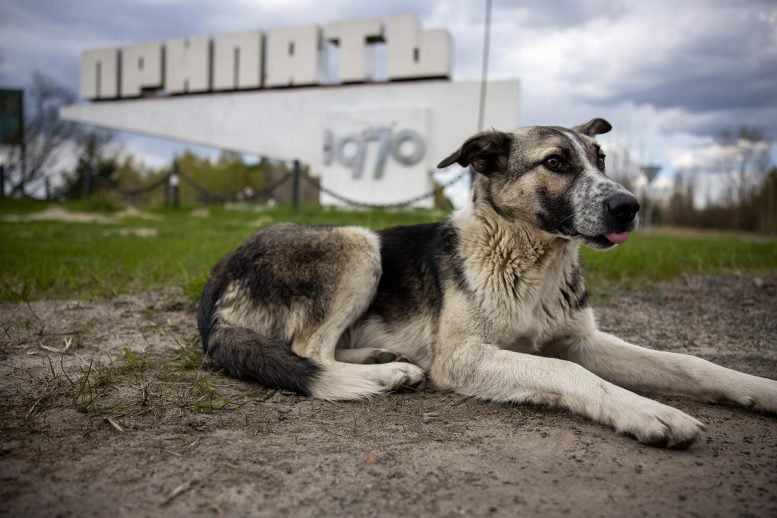
Dogs living near the Chernobyl nuclear plant in Ukraine have genetic differences from dogs in nearby Chernobyl city.
The plant dogs descend from pets left behind after the 1986 nuclear disaster and evacuations.
Researchers compared their DNA with city dogs and other dog populations to test whether random genetic change could explain the differences.
Their analysis found signs of natural selection, meaning some inherited variants may have become more common over generations.
Some of the genetic regions identified are linked to DNA repair, immunity and cell survival, but researchers do not know if these differences help the dogs cope with their environment.
Radiation is one possible pressure, but the dogs have also faced harsh weather and other contaminants, including heavy metals and pesticides.
What caused the genetic patterns remains unknown, and the study does not establish that radiation or any other exposure gave the dogs an advantage.

A study found evidence of natural selection in dogs living near the Chernobyl Nuclear Power Plant.
Researchers identified genetic differences in the plant-area dogs, including genomic regions linked to DNA repair, immunity and cell survival.
The analysis suggests inherited variants may have become more common, rather than arising from new radiation-induced mutations.
Researchers have not established which environmental pressures favored the variants or whether they provide a survival advantage.
The study compared dogs near the plant with dogs in Chernobyl city and other dog populations.
- Who
- Researchers studying dogs near the Chernobyl Nuclear Power Plant, including Megan Dillon of North Carolina State University.
- What
- A genomic analysis found signs of natural selection in the plant-area dogs. Researchers have not established what caused the patterns or whether the variants improve survival.
- When
- The study was published recently in the journal Genes; the publication date is not stated.
- Where
- Near the Chernobyl Nuclear Power Plant in Ukraine, with comparisons to dogs in Chernobyl city and other populations.
- Why
- Researchers investigated whether genetic differences were linked to natural selection or random genetic drift.
This story does not have two clearly opposing sides.
The nuclear power plant catastrophe occurred, and dogs have roamed near the site since then.
The dogs near Chernobyl descended from pets left behind, according to the article.
Researchers compared the genomes of dogs near the plant, dogs in Chernobyl city and other dog populations.
- Genomic signals
- More than 100 DNA locations showed signs of directional selection, according to SciTechDaily.
- Nearby populations
- The plant-area dogs were compared with dogs in Chernobyl city, about 16 kilometers away.
- Biological functions
- Regions linked to DNA repair, immunity and cell survival showed signs of selection.
- Potential pressures
- Radiation, heavy metals, pesticides, harsh winters and other conditions may have affected the dogs.
- Study journal
- Genes
2 sources
What people are saying
When I was first doing those analyzes, I had to kind of pause and was like, ‘Wow, I have to make sure I'm doing all of this right,’ because this is very interesting, very surprising
With this work, we wanted to explore two additional larger-scale evolutionary drivers – are the genetic differences due to selection, or are they due to genetic drift over time in an isolated population?
While we can’t say for certain whether what we’ve found can be directly confirmed as selection, we do find these genomic signatures suggestive of selection