

World · Middle East · 1 hr ago
Iraq closes two crossings in Kurdistan region with Syria and Iran
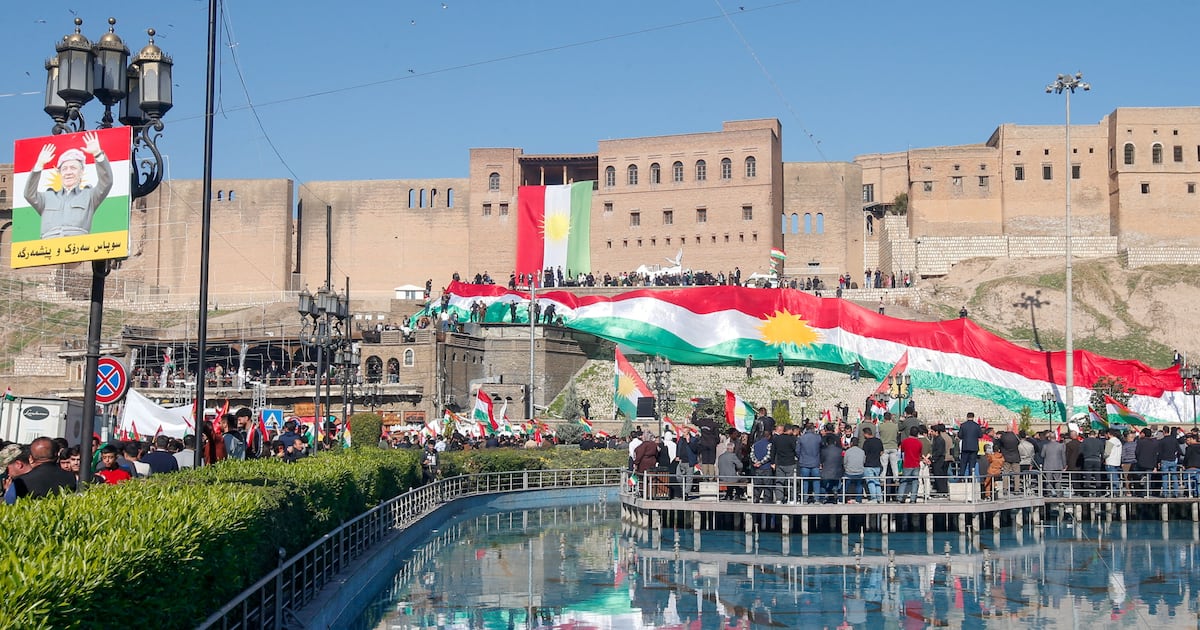
Iraq has closed two crossings run by the Kurdistan Regional Government in the semi-autonomous Kurdistan region.
The Al Waleed crossing links Iraq with Syria, while the Bashta crossing links it with Iran.
The closures followed a ruling by Iraq’s highest court allowing federal forces to be deployed at all international borders, including those in the region.
Prime Minister Ali al-Zaidi ordered federal authorities to take over the crossings as part of a wider effort to increase Baghdad’s control over strategic assets, including oilfields.
Thousands of people protested in Erbil against Baghdad’s moves on borders and oil operations.
The government denied reports that army units were advancing north, saying there was no movement of troops towards the region.
Officials agreed to hold national dialogue to address the growing constitutional tensions between Baghdad and Kurdish authorities.

Iraq has closed two border crossings previously administered by the Kurdistan Regional Government, one with Syria and one with Iran.
The crossings are Al Waleed with Syria and Bashta with Iran.
The closures follow a court ruling allowing federal forces to deploy along all international borders, including in the Kurdistan region.
Baghdad says it is strengthening central control over strategic assets, while Kurdish authorities say the measures infringe on the region’s constitutional powers.
Thousands of people protested in Erbil against Baghdad’s moves on oil and border control.
- Who
- The Iraqi government closed the crossings. The crossings had been administered by the Kurdistan Regional Government.
- What
- Two border crossings, one with Syria and one with Iran, were closed.
- When
- The closures were reported on November 26 and 27, 2026.
- Where
- Al Waleed crossing with Syria and Bashta crossing with Iran, in territory administered by the Kurdistan region.
- Why
- Baghdad is seeking greater central control over the region’s crossings and strategic assets. The closures followed a court ruling allowing federal forces to deploy at international borders.
Baghdad
Kurdistan Regional Government
Border control
Baghdad
Baghdad says it is strengthening central control over strategic assets and says the measures are intended in part to stop oil smuggling.
Kurdistan Regional Government
Kurdish authorities say the measures infringe on the Kurdistan region’s constitutional powers.
Federal forces
Baghdad
Iraq’s highest court ruled that federal forces may deploy to all international borders, including those in the Kurdistan region.
Kurdistan Regional Government
Kurdish authorities have criticised Baghdad’s measures; the sources do not state their position on the court ruling itself.
Prime Minister Ali Al Zaidi ordered federal authorities to take over crossings run by the Kurdistan Regional Government.
Iraq’s highest court ruled that federal troops may be deployed to all international borders, including in the Kurdistan region.
A meeting at Baghdad Palace agreed to hold a national dialogue on constitutional tensions between the federal government and Erbil.
Thousands of people protested in Erbil against Baghdad’s moves on oil operations and border crossings.
- Crossing with Syria
- Al Waleed
- Crossing with Iran
- Bashta
- Court ruling
- Federal troops may deploy to all international borders
- Protests
- Thousands of people in Erbil
- Prime minister
- Ali Al Zaidi
4 sources
What people are saying
Prime Minister Ali Al Zaidi has emphasised the need to protect the people of Kurdistan, not threaten them
There is no movement of army units towards the Kurdistan region