

Science & Tech · Gadgets & EVs · 5 hrs ago
Raytheon completes third flight test of Army training rocket system
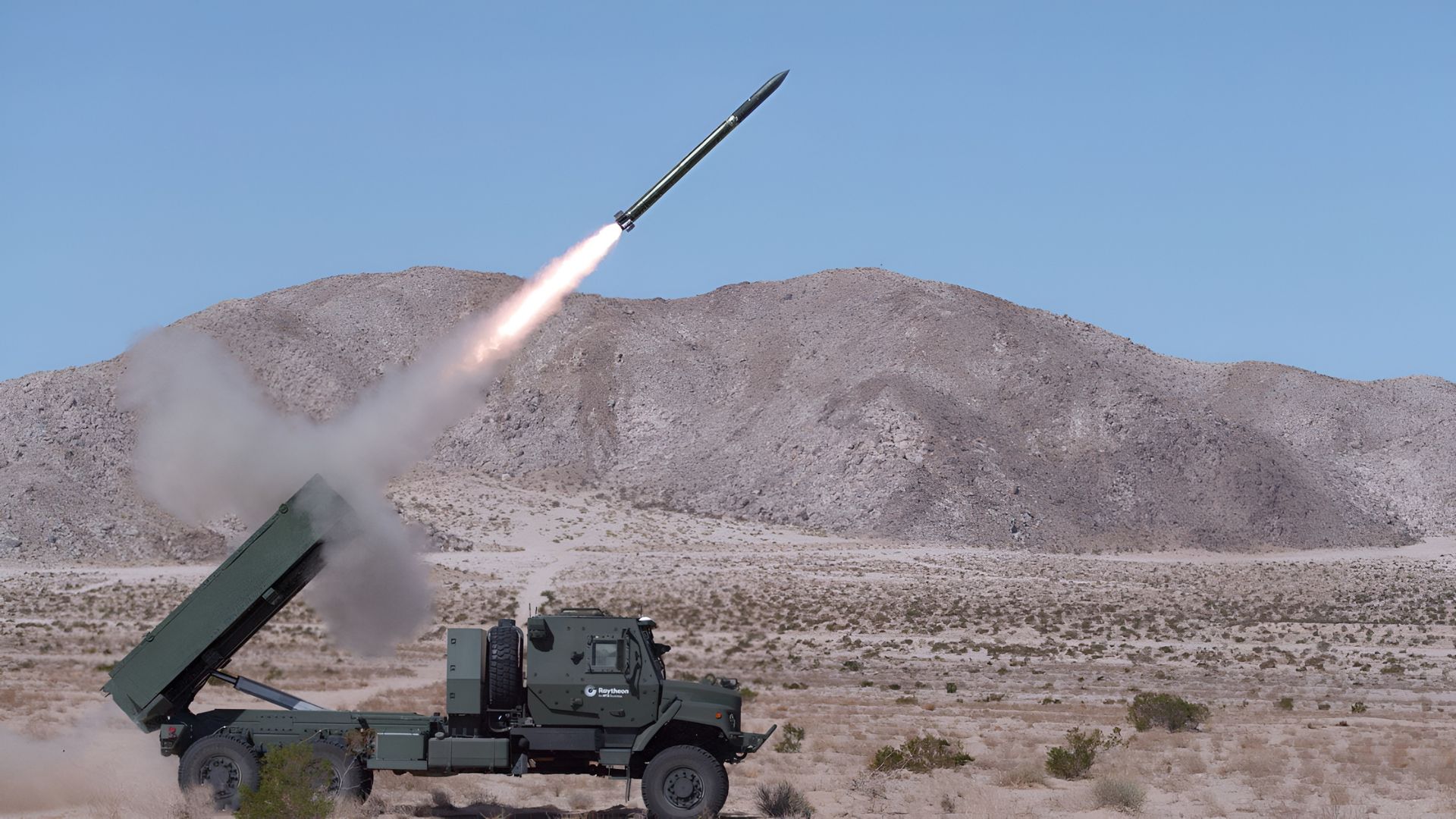
Raytheon completed a third successful flight test of its DeepStrike JR3 rocket system at Yuma Proving Ground in Arizona.
The system is designed to give the US Army a lower-cost option for practicing rocket artillery procedures.
The Army currently uses Reduced Range Practice Rockets to train without using operational ammunition, and JR3 could replace them.
Its launch container can be reused across exercises, while each pod can hold 24 rockets.
During the test, Raytheon assessed the rockets’ range, flight path, accuracy and landing markers.
The system is not yet qualified, so it has not been approved as a replacement for the Army’s current training rocket.
Raytheon plans more flight tests to assess whether JR3 meets the Army’s technical and operational requirements.

Raytheon completed a third successful flight test of its DeepStrike JR3 reduced-range rocket system for U.S. Army training.
The test took place at Yuma Proving Ground in Arizona and included rockets fired in rapid succession.
The system is designed to make training more affordable with lower-cost rockets and reusable launch containers.
Each Multiple Launch Rocket System Family of Munitions pod can hold 24 JR3 rockets.
More flight tests are planned before the system enters a formal qualification process.
- Who
- Raytheon conducted the test for a system designed for U.S. Army training.
- What
- It completed the third successful flight test of the DeepStrike JR3 reduced-range rocket system.
- When
- Not stated
- Where
- Yuma Proving Ground in Arizona.
- Why
- The system is designed to make Army rocket training more affordable and support repeated exercises.
This story does not have two clearly opposing sides.
This story does not have a timeline yet.
- Flight test
- Third successful test
- Test site
- Yuma Proving Ground, Arizona
- Pod capacity
- 24 rockets
- System
- DeepStrike JR3 reduced-range rocket
- Development status
- Additional flight tests remain before formal qualification process begins