

Health · Mental Health · 1 hr ago
Barcelona trial tests nature-based support for loneliness
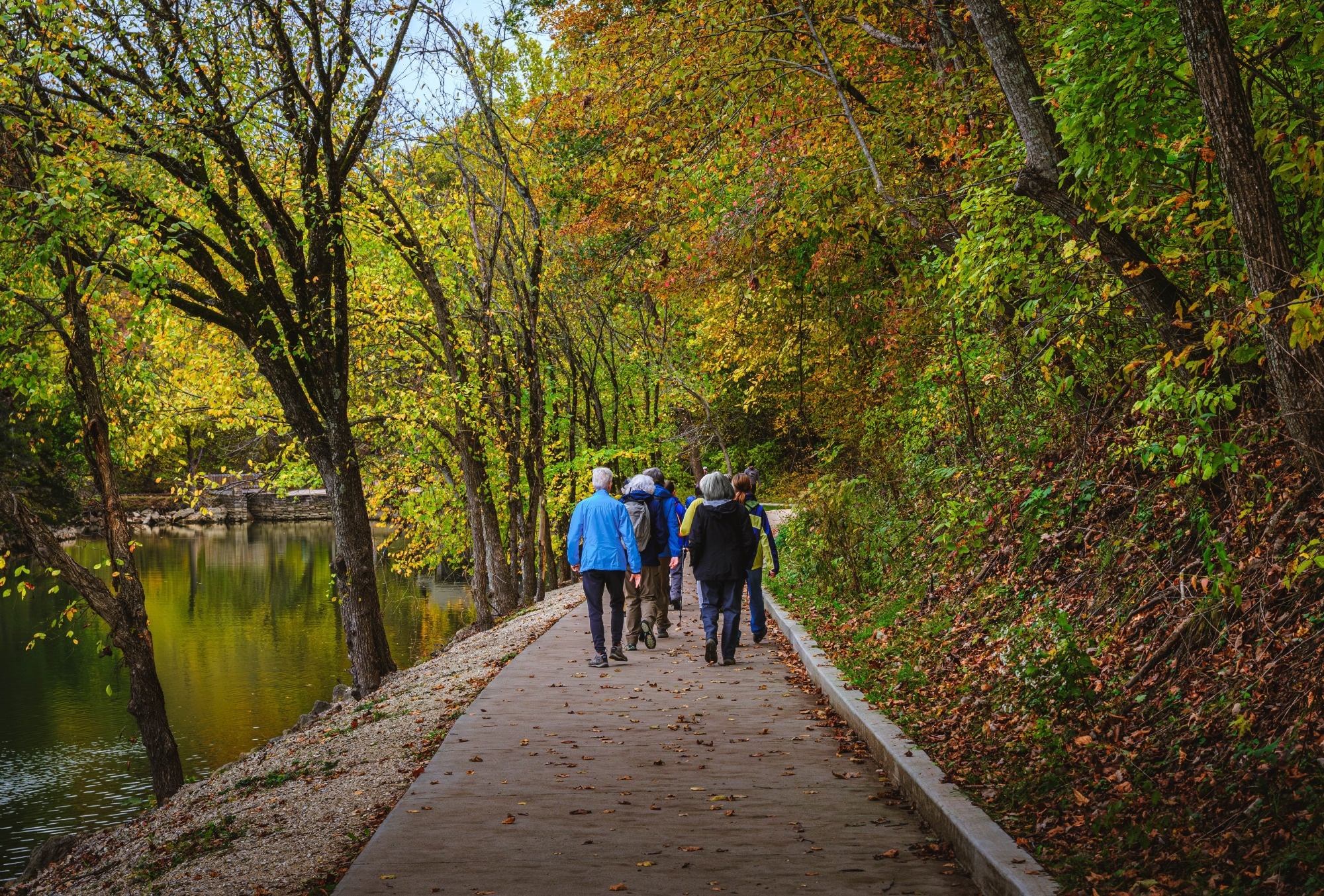
A Barcelona trial tested two ways to connect people with nature-based support for loneliness.
It involved 320 adults from 12 disadvantaged neighborhoods who said they sometimes, often or always felt lonely.
Half joined weekly, facilitator-led groups for nine weeks, with outdoor activities such as visits to parks and gardens.
The other half received an interview and information about local nature activities they could pursue on their own.
The study compared the approaches on loneliness and health-related quality of life; the available details do not give the results.
The trial matters because loneliness is a significant public health problem, and the researchers said this was the first randomized trial of this kind in Southern Europe and among community-dwelling adults of all ages.

A randomized trial in the Barcelona metropolitan area tested whether nature-based social support could help adults experiencing loneliness.
The study involved 320 adults from 12 socioeconomically disadvantaged neighborhoods.
One group took part in weekly, facilitator-led nature activities for nine weeks, while a comparison group received referrals to local activities they could pursue independently.
Researchers compared the approaches on loneliness and health-related quality of life.
- Who
- 320 adults aged 18 and over who reported experiencing loneliness.
- What
- A trial compared facilitator-led nature-based group support with active signposting to local nature activities.
- When
- Not stated.
- Where
- 12 socioeconomically disadvantaged neighborhoods in the Barcelona metropolitan area.
- Why
- To test the effects of nature-based social prescribing on loneliness and health-related quality of life.
This story does not have two clearly opposing sides.
Participants completed baseline measures and were randomly assigned in equal numbers to the two trial groups.
The intervention group met weekly for two-hour sessions combining group exercises and outdoor excursions.
Each intervention participant had an individual interview, while each comparison-group participant received a motivational interview and local activity menus.
- Participants
- 320 adults
- Location
- 12 socioeconomically disadvantaged neighborhoods in the Barcelona metropolitan area
- Intervention group
- 160 participants
- Comparison group
- 160 participants
- Intervention length
- Nine weeks