

World · East Asia & Pacific · 5 hrs ago
Okunoin Cemetery Remains a Major Buddhist Pilgrimage Site in Japan
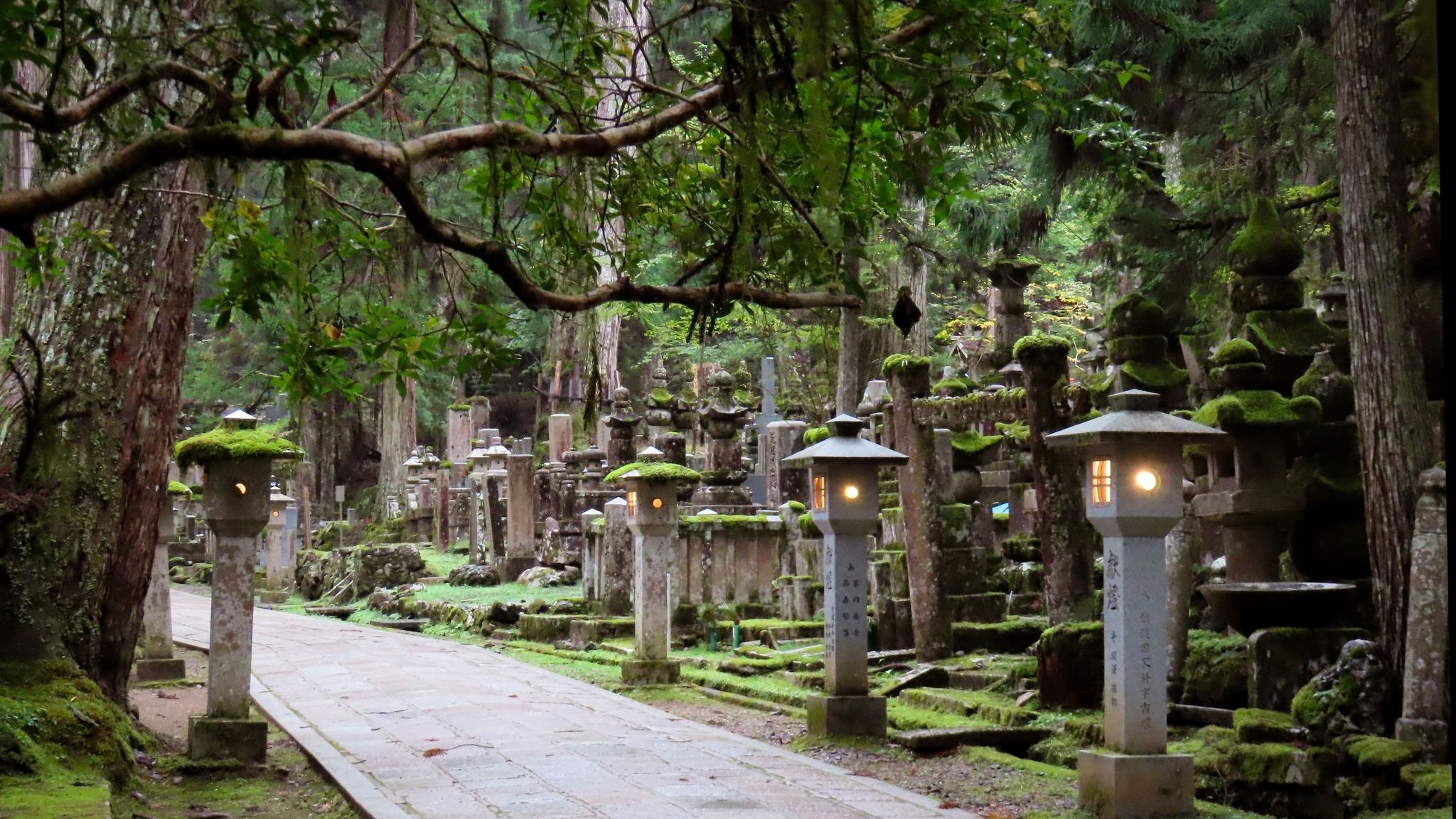
Okunoin is a major Buddhist pilgrimage site in the Koyasan mountains of Japan, home to the country’s largest cemetery.
Buddhist monk Kukai founded a temple there in 816, seeking a quiet place to meditate and teach.
Believers say Kukai never died and remains in meditation at his grave.
Since 835, people have brought him food twice a day, a ritual continued for nearly 1,200 years.
The site became a destination for pilgrims, including emperors, shoguns and samurai, and its cemetery now has more than 200,000 graves.
Koyasan remains a place of pilgrimage, and visitors can stay in more than 50 temple lodgings and eat traditional Buddhist meals without meat or fish.

Okunoin Cemetery in Koyasan is one of Japan’s best-known Buddhist pilgrimage sites and has more than 200,000 graves.
The Buddhist monk Kukai founded a temple in Koyasan in 816, and the area later became a pilgrimage destination.
According to belief, Kukai remains in eternal meditation at Okunoin and has not died.
Food is brought to Kukai twice a day, a ritual said to have continued for nearly 1,200 years.
More than 50 temple lodgings in Koyasan still accommodate visitors.
- Who
- Buddhist pilgrims and visitors travel to Okunoin. The site is associated with the monk Kukai.
- What
- Okunoin is a major Buddhist pilgrimage site and cemetery with more than 200,000 graves.
- When
- The site became a pilgrimage destination more than 100 years after Kukai founded a temple in 816.
- Where
- Koyasan, in a mountain valley in Japan.
- Why
- Believers regard Kukai as still meditating at Okunoin and seek closeness to him and spiritual salvation.
This story does not have two clearly opposing sides.
The Buddhist monk Kukai founded a temple in Koyasan.
Kukai was said to have entered meditation, after which food began to be brought to him twice daily.
Emperors, shoguns and leading samurai began making pilgrimages to Koyasan.
Koya-Hijiri transported remains from across Japan to Koyasan and ran temple lodgings for pilgrims.
- Graves
- More than 200,000 at Okunoin Cemetery
- Temple founded
- 816
- Kukai’s meditation
- Said to have begun in 835
- Food ritual
- Twice daily for nearly 1,200 years
- Temple lodgings
- More than 50 in Koyasan
What people are saying
According to belief, Kukai never died. It is said that he remains in eternal meditation at Okunoin
Since Kukai entered meditation in 835, food has been brought to him twice a day — a ritual that has continued uninterrupted for nearly 1,200 years