

Politics · Australia · 9 hrs ago
Opinion argues Labor must confront inflation with spending cuts or tax rises
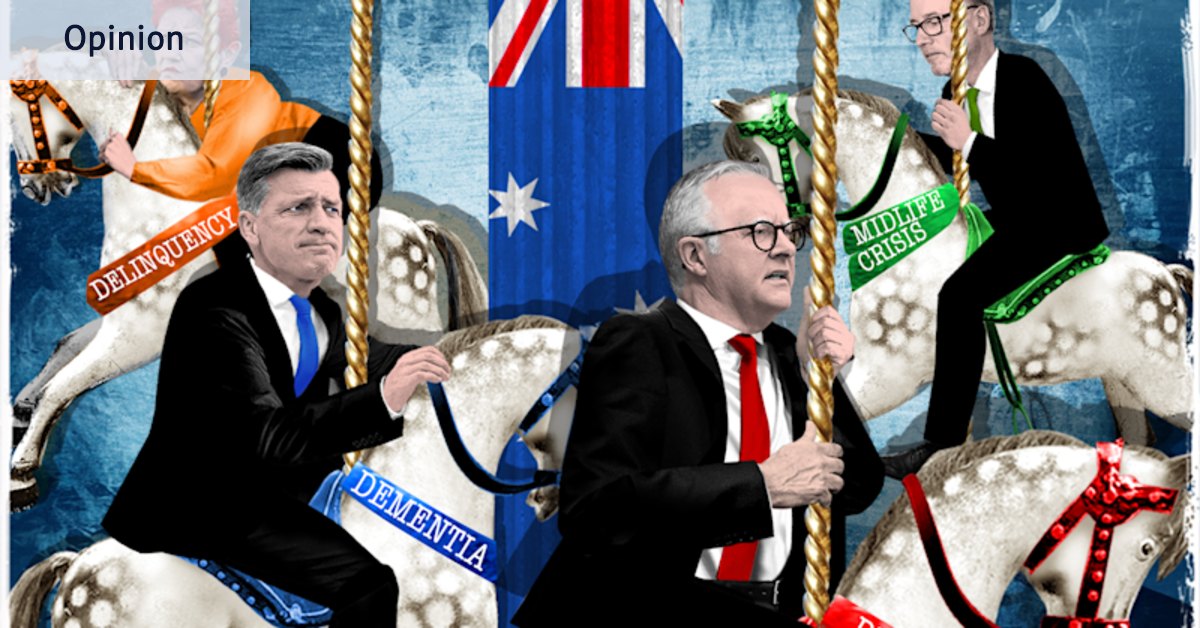
An opinion piece argues that Australia’s Labor government is failing to confront entrenched inflation.
It says inflation has become a serious, lasting problem, while the government has focused on its earlier agenda of reducing inequality through wages and services.
The piece says handouts and subsidies could add to inflation, and argues that blaming high oil prices does not answer whether the government is helping fix the problem.
The Reserve Bank is raising interest rates to curb inflation and may raise them again the following week, according to the piece.
It argues the government should cut spending or raise taxes to help bring inflation down, rather than leave the job to the central bank.
Those choices would likely be unpopular, but the piece says they could ease inflation and eventually give the Reserve Bank room to lower rates.
It warns that without action, public frustration could grow and Labor may spend the rest of its term making excuses.

An opinion article argues that Australia’s Labor government should cut spending or raise taxes to help bring down entrenched inflation.
It says handouts and subsidies risk worsening the problem, while the Reserve Bank is left to tackle inflation by raising interest rates.
The article argues that Labor’s equity agenda must give way to addressing inflation and its impact on households.
It says serious spending cuts or tax rises could reduce the government’s $30 billion deficit and help ease inflation.
The article also says none of the main political parties is polling above 30 per cent of the primary vote.
- Who
- The article focuses on the Labor government and Prime Minister Anthony Albanese.
- What
- It argues the government should cut spending or raise taxes to help tackle inflation.
- When
- The article is dated October 31, 2026; it says the Reserve Bank may raise interest rates again the following week.
- Where
- Australia.
- Why
- The article says inflation is entrenched and that government spending cuts or tax rises could help ease it.
This story does not have two clearly opposing sides.
The government pursued an equity agenda that included higher wages for low-paid workers and expanded services such as childcare and aged care.
The article described inflation as entrenched and said the Reserve Bank was raising interest rates.
The article said the Reserve Bank would most likely raise interest rates again.
- Deficit
- $30 billion
- Primary vote
- None of the main political parties was polling above 30 per cent
- Proposed measures
- Spending cuts or tax rises
- Interest rates
- The Reserve Bank was expected to raise them again the following week
- Published
- October 30, 2026
What people are saying
blunt instrument