

Health · Medical Research · 2 hrs ago
Goji berry compounds show promise in early brain-health research
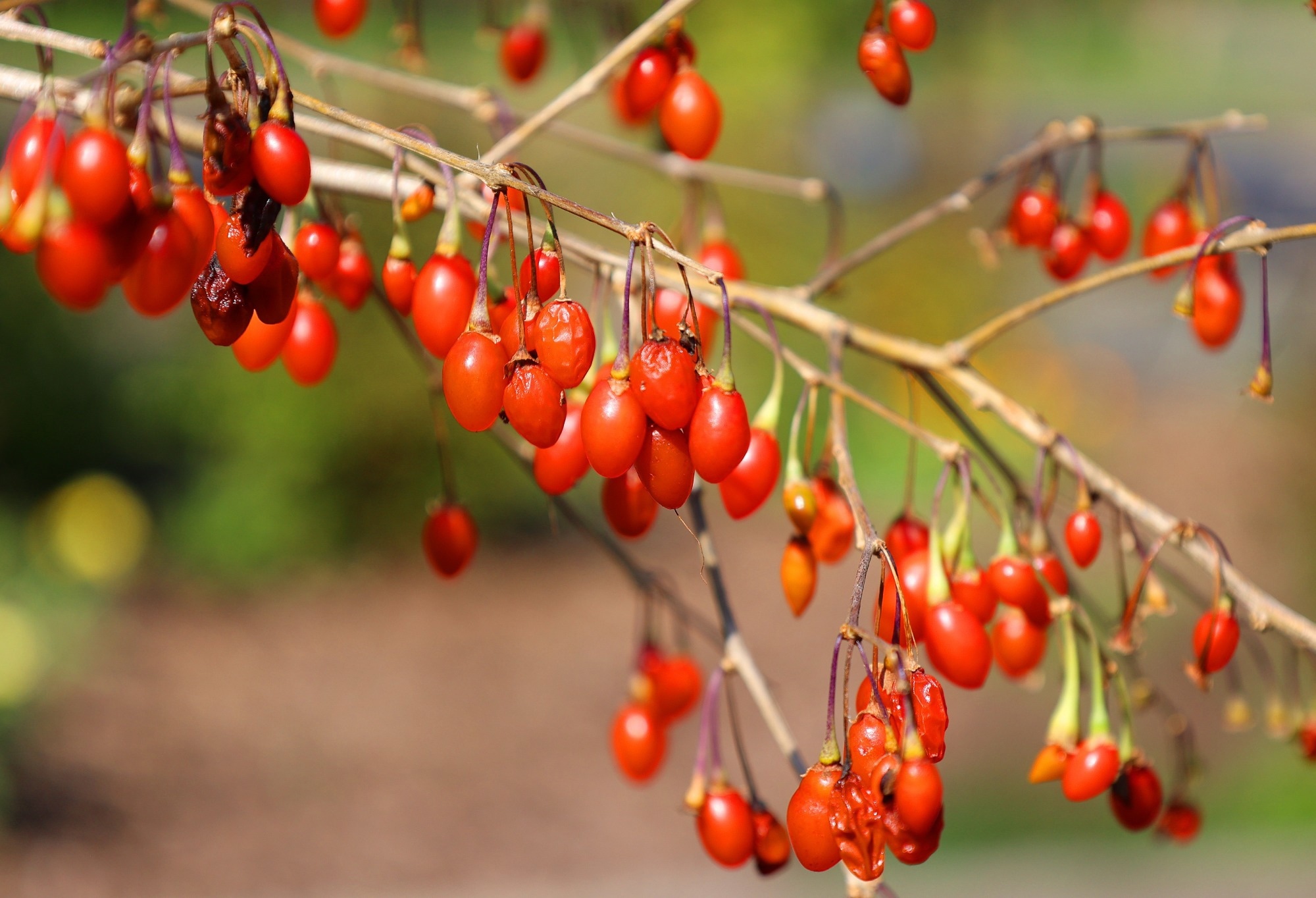
Researchers at Dali University in China reviewed goji berry compounds and their possible effects on brain health.
The review found protective effects in cell and animal studies of Parkinson’s disease, Alzheimer’s disease and stroke, as well as antidepressant-like effects in experimental depression models.
Goji berries have a long history of use in traditional Chinese medicine, but the compounds studied are specific carbohydrates extracted from the fruit.
The findings suggest these compounds may affect processes such as oxidative stress, cell damage and communication between the gut and brain.
The evidence is mostly from preclinical research, so it does not show that eating goji berries prevents or treats these conditions.
The researchers say the compounds need consistent preparation and more study to establish their safety, effectiveness and suitable doses in people.
The next step is rigorous clinical trials, including randomized controlled trials.

A review of research found that goji berry polysaccharides showed potential neuroprotective effects in cell and animal models.
The compounds were studied in models of Parkinson’s disease, Alzheimer’s disease, ischemic stroke and depression.
Researchers linked the reported effects to oxidative stress, protein aggregation, mitochondrial function and the gut-brain axis.
The evidence remains predominantly preclinical, and the review called for standardized compounds and rigorous human trials.
Eating goji berries has not been shown to prevent or treat these disorders.
- Who
- Researchers at Dali University in Yunnan, China, reviewed studies of goji berry compounds.
- What
- The review examined potential brain-health effects of goji berry polysaccharides and related preparations.
- When
- The review was published on November 26, 2026.
- Where
- The review appeared in the journal Cells. The research was conducted at Dali University in Yunnan, China.
- Why
- Researchers are investigating potential neuroprotective effects amid limitations in existing treatments. Human safety and efficacy remain uncertain.
This story does not have two clearly opposing sides.
The review’s authors conducted a non-systematic PubMed search for relevant studies.
The review was published in the journal Cells.
- Review authors
- Researchers at Dali University, Yunnan, China
- Publication date
- November 26, 2026
- Journal
- Cells
- Conditions studied
- Parkinson’s disease, Alzheimer’s disease, depression and cerebral ischemia-reperfusion injury
- Evidence base
- Predominantly preclinical
- Goji berry polysaccharides
- Approximately 5% to 8% of the fruit’s composition