

Health · Public Health & Disease · 6 hrs ago
One in six confirmed bacterial infections resisted antibiotics in 2023
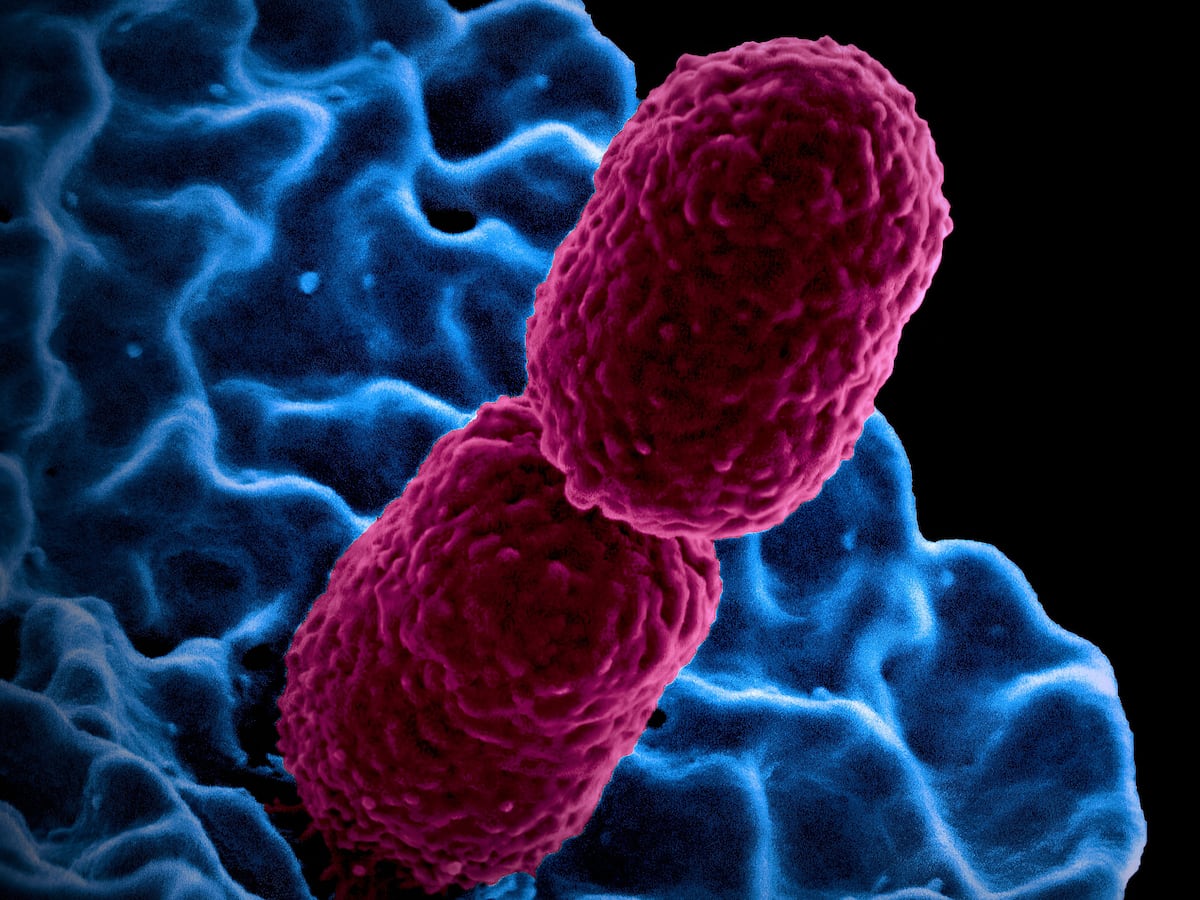
The WHO says one in six confirmed bacterial infections worldwide resisted antibiotics in 2023.
Antimicrobial resistance happens when bacteria and other microbes stop responding to medicines; it does not mean that people become resistant to antibiotics.
Resistant infections can be harder to treat, last longer and lead to more hospital stays, serious complications or death.
Between 2018 and 2023, resistance rose in more than 40% of the combinations of microbes and antibiotics monitored by the WHO.
A study projected that more than 39 million people could die directly from antimicrobial resistance between 2025 and 2050 if action is not taken to contain it.
For World AMR Awareness Week, running from 18 to 24 November 2026, the WHO is calling for coordinated action across human, animal and environmental health and food systems.

The World Health Organization says one in six laboratory-confirmed bacterial infections worldwide was resistant to antibiotics in 2023.
Resistance increased in more than 40% of the bacteria-and-antibiotic combinations monitored between 2018 and 2023.
Antimicrobial resistance occurs when microorganisms stop responding to medicines used to treat them.
Resistant infections can be harder to treat and may lead to longer illnesses, hospital stays and more serious complications.
- Who
- The World Health Organization reported the finding.
- What
- One in six laboratory-confirmed bacterial infections was resistant to antibiotics.
- When
- In 2023.
- Where
- Worldwide.
- Why
- Microorganisms can develop resistance and stop responding to medicines; the sources also identify antibiotic use as a factor.
This story does not have two clearly opposing sides.
Resistance increased in more than 40% of the bacteria-and-antibiotic combinations monitored by the WHO.
One in six laboratory-confirmed bacterial infections worldwide was resistant to antibiotics.
A Lancet study projected that more than 39 million people could die directly from antimicrobial resistance if no measures are taken.
- Resistant infections in 2023
- One in six laboratory-confirmed bacterial infections worldwide
- Monitoring period
- 2018–2023
- Combinations with rising resistance
- More than 40% of monitored bacteria-and-antibiotic combinations
- Projected direct deaths
- More than 39 million between 2025 and 2050 without measures to contain resistance
2 sources
What people are saying
Antimicrobial resistance has become one of the main threats to global public health.
It is not that people become resistant to antibiotics, but that microorganisms lose sensitivity to treatments, prolonging illnesses and increasing the risk of serious complications or even death.
Decades of antibiotic use have favored the selection of resistant bacteria, which have then spread.
We are not advancing at the pace needed to meet the targets set for 2030.