

Politics · Spain · 2 hrs ago
Spain’s care waiting list hits a record low, but thousands die waiting
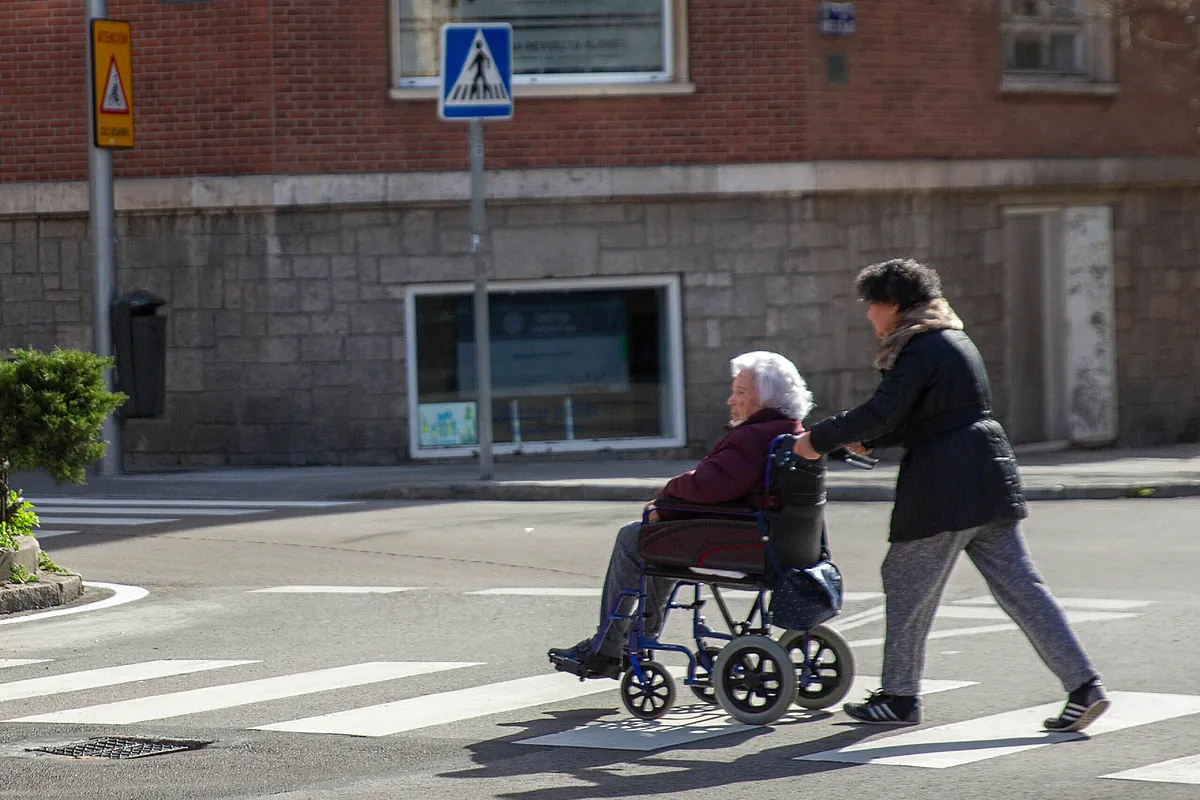
As Spain approaches the 20th anniversary of its Dependency Law, the system still leaves people waiting for care.
Just over 112,000 people are waiting for benefits, the lowest number on record and about 6% of those whose right to support has been recognized.
The system serves 1.74 million people, but applicants must complete several administrative steps before benefits reach them.
More than 8,600 people died waiting in the first six months of 2026, equal to 7.7% of those caught in the waiting process.
Waiting rates vary widely across Spain’s regions, and some with very short lists still have high shares of people dying before support arrives.
A reform approved in July increases government funding and benefit amounts, with funding set to rise to more than €7.2 billion in 2027.

Spain’s dependency-care waiting list has fallen to just over 112,000 people, its lowest level on record.
More than 8,600 people died without receiving benefits in the first six months of the year.
The waiting list represents 6% of people whose eligibility for support has been recognized, down from 385,000 people in 2015.
A report by the Foundation for Applied Economic Studies says administrative procedures remain complex and access varies widely between regions.
The government expanded the rights of people needing care through a reform approved in July.
- Who
- People eligible for Spain’s dependency-care benefits, including more than 8,600 who died waiting.
- What
- The waiting list has reached a record low, but thousands died before receiving benefits.
- When
- The figures cover the first six months of the year; the report was published on Tuesday.
- Where
- Spain.
- Why
- The report says complex administrative procedures delay access to benefits.
This story does not have two clearly opposing sides.
The dependency-care waiting list stood at 385,000 people.
The Shock Plan set a waiting-list limit of 12.7%.
More than 8,600 people died without receiving their dependency-care benefit.
The government approved reforms to disability and dependency laws that expanded the rights of people in this situation.
The Foundation for Applied Economic Studies published its sixth Observatory of Dependency report.
- Current waiting list
- Just over 112,000 people
- Share of eligible people waiting
- 6%
- Deaths waiting for benefits
- More than 8,600 in the first six months of the year
- People served by the system
- 1.74 million
- Highest regional waiting-list share
- Basque Country, 15%
- Largest number of deaths waiting
- Catalonia, 2,800
What people are saying
The procedure to enter the SAAD benefits system is quite complex, given that it involves various administrative steps
The wide variation between autonomous communities is not due only to health reasons, but also to the existence of administrative criteria in addition to health criteria