

World · Europe · 3 hrs ago
Young people lead protests across Europe over costs and opportunity
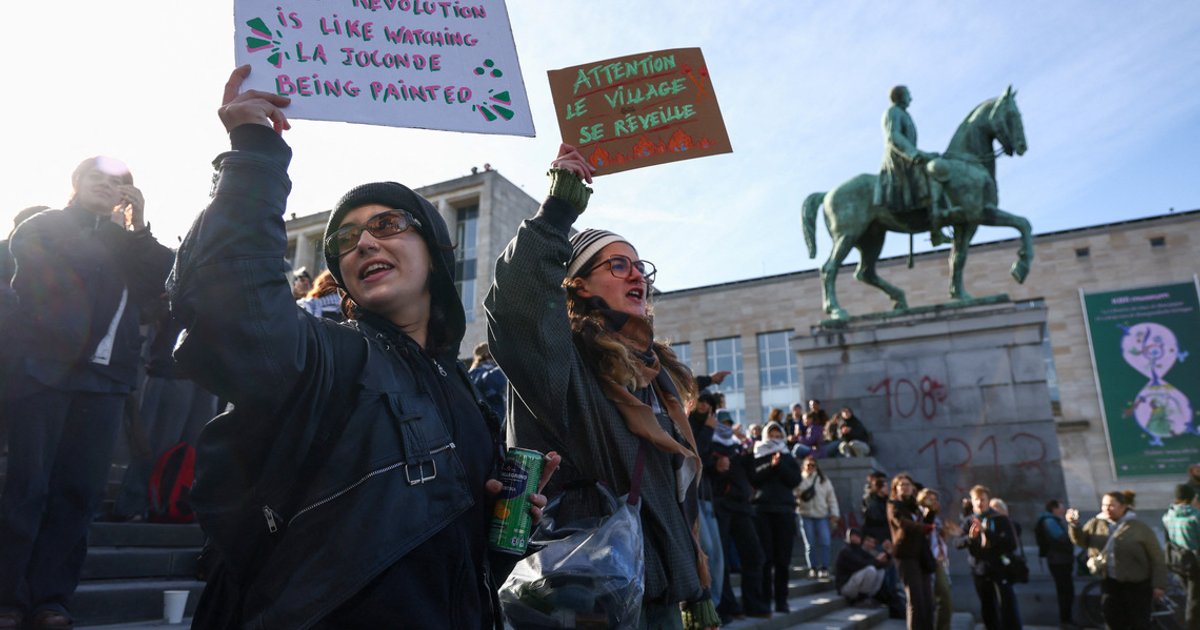
Young people have led protests across cities in Europe, including Paris, Milan, Brussels and Belgrade.
The demonstrations have raised concerns about poor schools, living costs, housing and corruption, though demands vary by country.
Many protests were organised quickly through social media, with students also drawing inspiration from movements abroad.
The wave began in France in late September, with students citing staff shortages and deteriorating school buildings.
Some protests have ended in violence and looting, while authorities have used water cannon and other force against demonstrators in some places.
In Serbia, nearly two years of student-led protests against perceived corruption and authoritarianism preceded Aleksandar Vucic's defeat in an election in October.
The protests reflect wider worries about young people's economic prospects: an EU survey found living costs concerned 40% of people aged 16 to 30, while young adults faced the EU's highest risk of poverty or social exclusion in 2025.
European governments now face pressure to address youth concerns, as elections approach and leaders weigh how to respond.

Young people have led protests across Europe over education, living costs, social inequality and limited economic opportunity.
The demonstrations have taken place in countries including France, Belgium, Ireland, Spain, Portugal, Italy, Greece, Serbia and Albania.
Many protests began peacefully, but some ended in violence, looting or clashes with police.
The protests have drawn large crowds, including hundreds of thousands of people in France.
In Serbia, student-led protests culminated in an election that toppled long-time leader Aleksandar Vucic.
- Who
- Young people, including school and university students, are leading the protests. Other groups, including workers and unions, have also joined some demonstrations.
- What
- Demonstrators are protesting over education conditions, living costs, social inequality, corruption, housing and limited opportunity.
- When
- The current wave has taken place in recent weeks. Protests in France began in late September.
- Where
- Across Europe, including France, Belgium, Ireland, Spain, Portugal, Italy, Greece, Serbia and Albania.
- Why
- Many young people say they face poor education facilities, rising costs, limited economic opportunity and a lack of influence over decisions that affect them.
Protesters
Governments and police
Demands
Protesters
Protesters are calling attention to education grievances, social inequalities, rising living costs and other concerns.
Governments and police
Governments have faced pressure to respond while distinguishing peaceful, legally organised demonstrations from looting and riots.
Tactics and public order
Protesters
Demonstrators have taken to the streets, and some protests have involved violence and looting.
Governments and police
Police have used measures including tear gas, water cannon, stun grenades, arrests and protest bans in some places.
Protests in France began amid student complaints about staff shortages and dilapidated buildings.
A student-led protest took place in Belgrade.
Hundreds of thousands of people demonstrated in France; largely peaceful gatherings ended in looting and vandalism.
Another large day of protests took place in France as authorities used aggressive policing and protest bans.
The French government announced loans for building renovations, more university spaces, more teachers and other administrative changes.
- France protests
- Began in mid-September, according to the Guardian
- Government loans
- $4.45bn for renovation of rundown buildings in France
- Protest reach
- France, Belgium, Ireland, Spain, Portugal, Italy, Greece, Serbia and Albania
- Cost concern
- 40% of EU residents aged 16–30 cited rising prices and cost of living as a concern
- Poverty risk
- 26.3% of EU residents aged 18–24 faced risk of poverty or social exclusion in 2025
3 sources
What people are saying
If we burn, you burn with us!
I think the worst damage this ruling class has done to my generation is stealing even the ability to imagine a future, to dream.
Personally, I feel a sense of victory. I feel that we finally moved from protests to responsibility.
There’s this idea, very deeply rooted in France, that expressing yourself by demonstrating is a democratic right