

Health · Healthcare & Policy · 2 hrs ago
Brazil limits compassionate access to experimental spinal injury treatment
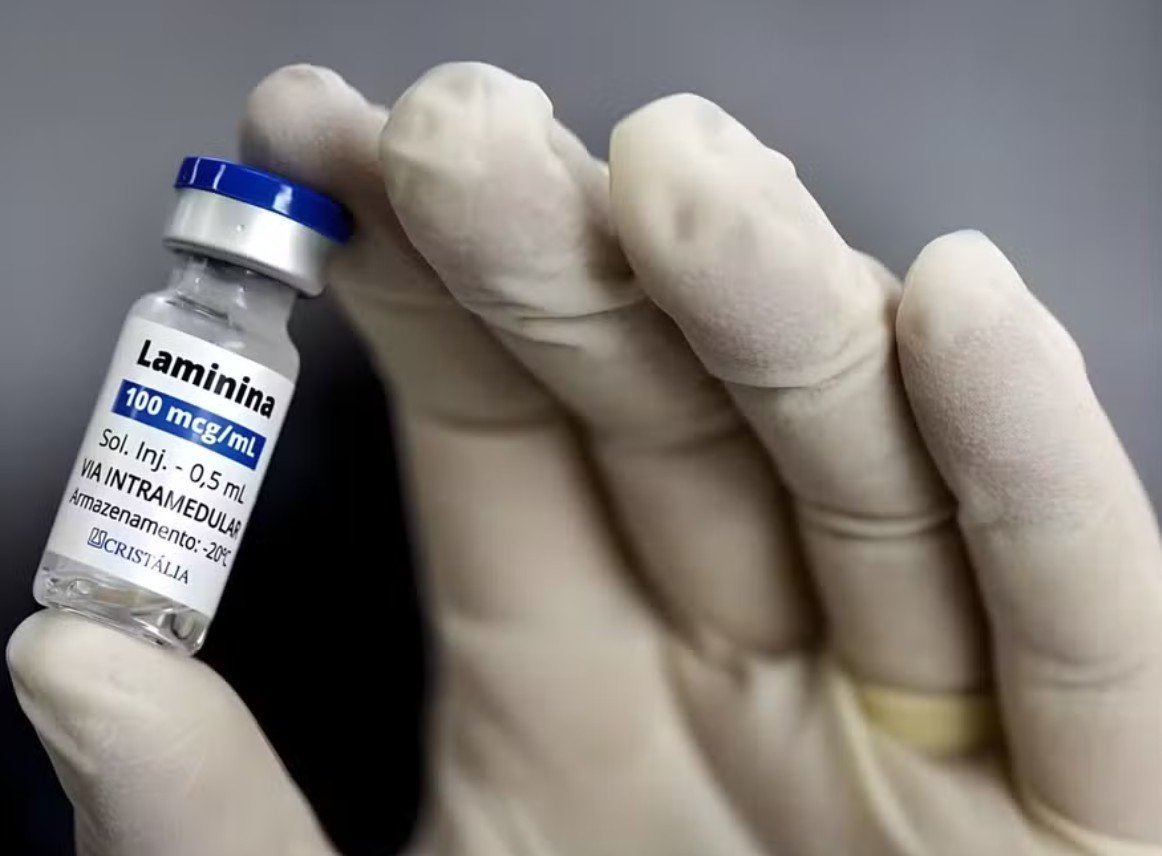
Brazil's health regulator Anvisa has tightened access to polilaminina, an experimental treatment for spinal cord injuries.
Under the new rules, only patients injured within 72 hours, with damage between the T2 and T10 vertebrae, can receive it through compassionate use.
This route can let seriously ill patients use an unapproved treatment when satisfactory alternatives are lacking, but it does not count as a clinical study.
Anvisa says it recorded nine deaths among 119 compassionate-use applications; the manufacturer, Cristália, reports 111 applications and says its investigations found no link between the deaths and the substance.
Polilaminina's safety and effectiveness have not been proven, and its clinical trial is still in phase 1, which tests safety.
Researcher Tatiana Sampaio disputes the restrictions and wants access extended to people with older injuries and injuries in other parts of the spine.
The approved trial plans to treat five eligible volunteers at a hospital in São Paulo, but no one has yet received the substance under its protocol; Cristália is waiting to identify a suitable patient.

Anvisa has restricted compassionate use of experimental polilaminina to spinal cord injuries treated within 72 hours and located between vertebrae T2 and T10.
The agency says it changed the rules after reviewing risks, amid rising requests and reports of nine deaths among patients who received the substance.
Cristália, the manufacturer, says its investigations found no link between the deaths and polilaminina.
Researcher Tatiana Sampaio says the restrictions are unfair and wants access extended to patients with older injuries and injuries in other parts of the spine.
Polilaminina remains in phase 1 clinical research, which is assessing safety, and its safety and effectiveness have not been scientifically established.
- Who
- Brazil’s health regulator Anvisa restricted access to polilaminina; the manufacturer is Cristália, and researcher Tatiana Sampaio has criticized the restrictions.
- What
- Compassionate use is now limited to patients with spinal cord injuries treated within 72 hours and located between vertebrae T2 and T10.
- When
- The reports were published on October 22, 2026. The articles do not state when the restriction took effect.
- Where
- Brazil.
- Why
- Anvisa says it reassessed risks after a rise in requests and notifications of deaths among patients who received the substance.
Anvisa
Tatiana Sampaio
Eligibility
Anvisa
Anvisa says compassionate use should follow the clinical trial criteria: injuries treated within 72 hours and located between T2 and T10.
Tatiana Sampaio
Sampaio wants use allowed for patients with older injuries and injuries in other spinal regions, including cervical injuries.
Basis for decision
Anvisa
Anvisa says it has not received scientific evidence supporting use outside the authorized criteria.
Tatiana Sampaio
Sampaio says the restrictions are illegal and make access difficult for patients.
Anvisa approved the phase 1 clinical study after receiving documents and information it said were essential.
Cristália reported five deaths among patients treated outside the clinical study conditions.
Cristália said the study’s administrative and ethical procedures were completed.
Sampaio criticized the restrictions in a video posted on social media.
Reports said Anvisa had restricted compassionate use to the clinical study’s eligibility criteria.
- Eligibility window
- Within 72 hours of injury
- Eligible spinal region
- Between vertebrae T2 and T10
- Deaths reported
- 9
- Compassionate-use applications
- Anvisa counted 119 applications; Cristália reported 111
- Clinical research stage
- Phase 1
3 sources
What people are saying
This means that now everything depends on a crazy rush that few people can meet.
reaffirms its full confidence in Anvisa