

Health · Medical Research · 1 hr ago
Experimental gene therapy and goggles restored limited vision for some patients
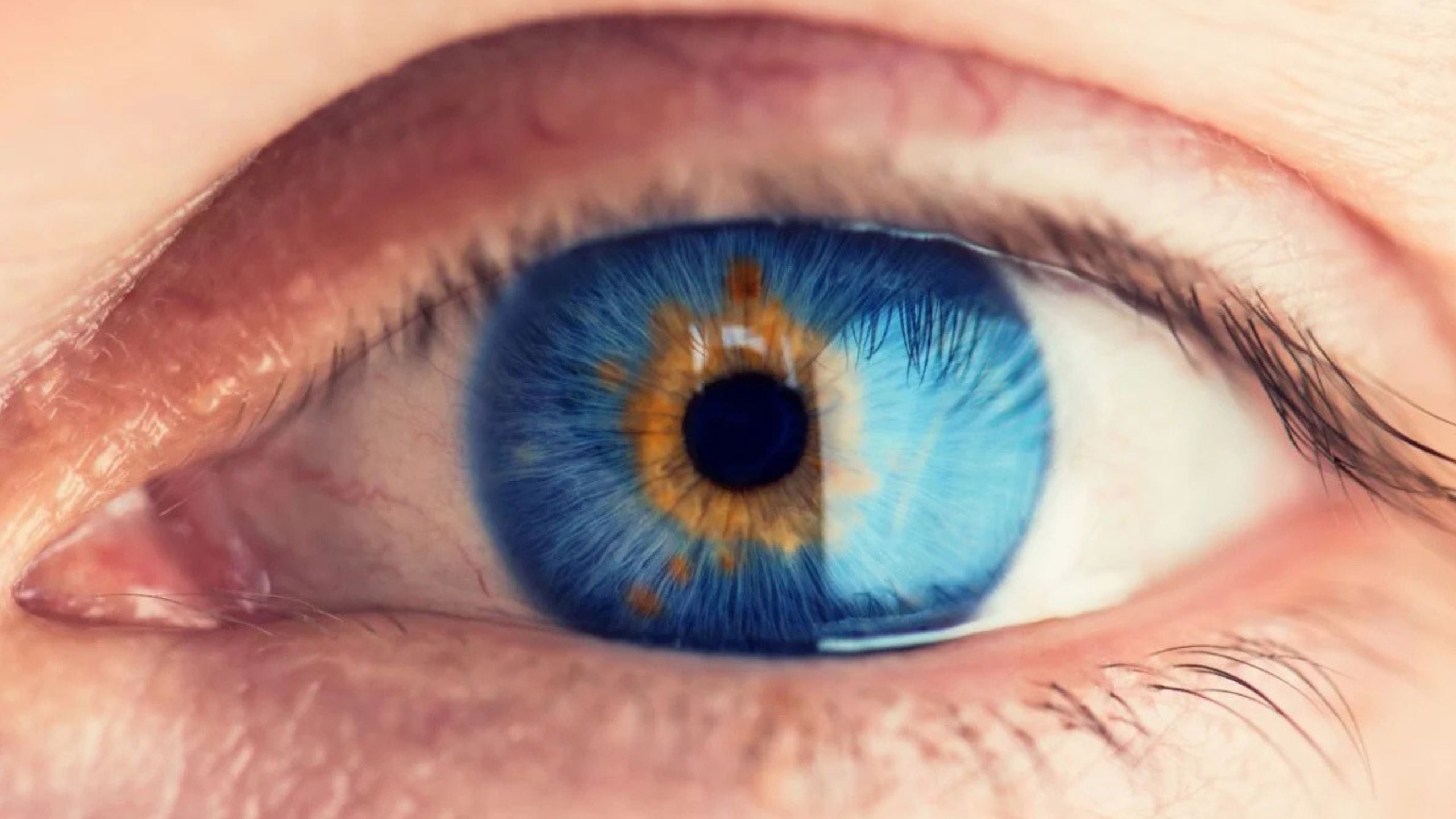
Retinitis pigmentosa is an inherited disease that damages the retina and can gradually cause blindness.
Researchers tested an experimental treatment in 10 people with profound vision loss in both eyes.
Each received a gene injection in their worse-seeing eye, while special goggles sent amber light to retinal cells made light-sensitive by the treatment.
The goggles use a camera and processor to turn changes in brightness into light patterns that stimulate those cells.
Seven participants became more sensitive to light, though the amount of improvement varied.
In object tests, four of eight consistently improved at detecting a notebook while using the goggles; others did not show consistent gains.
The trial mainly tested safety, and the results show limited improvement for some participants, not a recovery of normal sight.

An experimental treatment combining a gene injection and special goggles helped some people with profound vision loss detect and locate objects.
The small trial involved 10 people with retinitis pigmentosa who had severe vision loss in both eyes.
Seven participants became more sensitive to light while using the goggles, and four consistently improved at detecting a notebook in repeated tests.
The approach uses a modified virus to deliver instructions for a light-sensitive protein to retinal nerve cells.
Researchers said the treatment’s primary purpose in the trial was to assess safety.
- Who
- Ten people with profound vision loss in both eyes took part in the trial.
- What
- An experimental gene therapy paired with special goggles helped some participants detect objects and respond to light.
- When
- The study’s publication date was 2026-10-14.
- Where
- The injection was given in each participant’s worse-seeing eye. The researchers were affiliated with the University of Pittsburgh and the Institute of Molecular and Clinical Ophthalmology Basel.
- Why
- The approach aims to make surviving retinal nerve cells respond to light after retinitis pigmentosa damages the photoreceptors.
This story does not have two clearly opposing sides.
Each participant received one injection in their worse-seeing eye.
Participants practiced using the goggles and completed visual tests with their untreated eye covered.
Four participants consistently performed better at detecting a notebook with the goggles across repeated sessions.
- Trial size
- 10 people with profound vision loss in both eyes
- Injection
- One injection in each participant’s worse-seeing eye
- Light sensitivity
- 7 participants showed increased sensitivity, ranging from about twofold to 62-fold
- Object testing
- 8 participants completed tests with and without the goggles
- Notebook detection
- 4 participants consistently performed better with the goggles
What people are saying
The gene therapy delivers a light sensor to the blind retina, making it light-sensitive again. The goggles provide light stimulation at the wavelength to which this sensor responds.
Safety was very good and is not a limitation.