

Health · Healthcare & Policy · 4 hrs ago
Costs and taxes pose challenge for universal health care plans
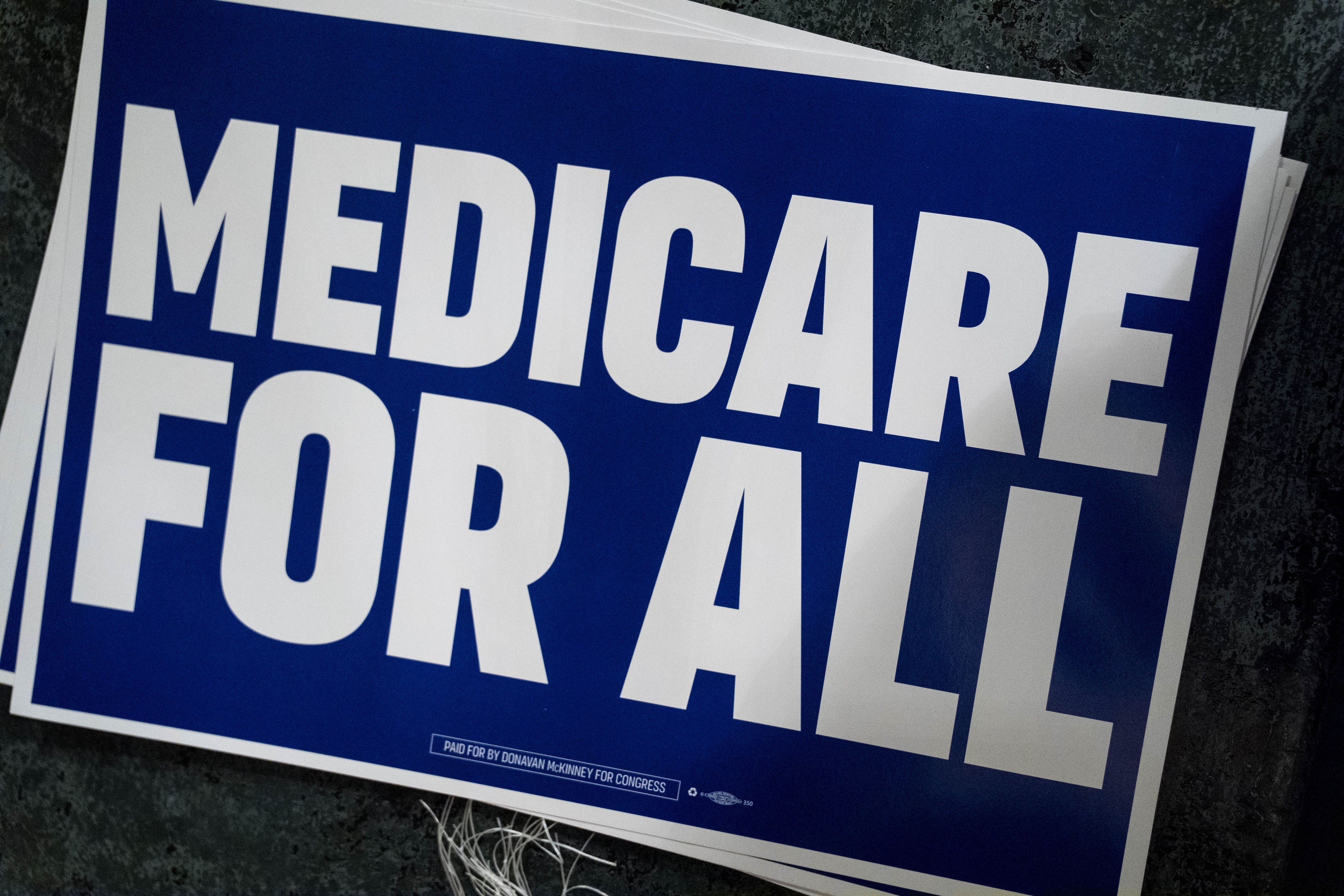
An Oregon panel has finalized a proposal for statewide universal health care, with an estimated cost of $69.7 billion a year starting in 2032.
The plan is part of a wider debate over single-payer care, in which government would pay for health coverage for everyone.
Opponents focus on the large sums and new taxes needed to fund the plans.
Supporters say government spending would replace much of what employers and consumers now pay through premiums and other costs, while covering more people.
They argue that some people could pay less overall, but many voters may see the tax bill without knowing the full costs they already bear.
Past single-payer efforts in several states struggled to win public support, and Vermont’s push ended in 2014 after political support weakened.
The debate is expected to grow over the next two years as Medicare-for-All advocates gain influence ahead of the 2028 presidential election.

An Oregon panel estimated that its proposed statewide universal health plan would cost $69.7 billion a year starting in 2032.
A White House estimate put the annual cost of a national Medicare-for-All plan at $4.7 trillion.
The White House Council of Economic Advisers also estimated that extending Medicare benefits to all Americans would cost the federal government $47 trillion over 10 years.
Opponents have focused on the plan costs and the taxes needed to support them.
Supporters argue that government spending would replace much of what companies and consumers already pay, while extending coverage.
- Who
- Oregon’s universal health care panel and supporters and opponents of single-payer plans.
- What
- Cost concerns are challenging efforts to promote universal, single-payer health care.
- When
- The articles were published on November 25, 2026; Oregon’s panel finalized its proposal that month.
- Where
- Oregon and the United States.
- Why
- Critics point to the large costs and taxes needed to fund the plans; supporters say public spending would replace much existing health spending and extend coverage.
Single-payer opponents
Single-payer proponents
Costs and taxes
Single-payer opponents
The plans would require very large spending and new taxes.
Single-payer proponents
Higher government spending would replace much of what companies and consumers already pay.
What people pay now
Single-payer opponents
Not stated.
Single-payer proponents
People already spend trillions on health care, including through premiums and out-of-pocket costs; some could pay less under a universal plan.
Vermont Gov. Peter Shumlin ended the state’s single-payer push after problems implementing its Affordable Care Act exchange weakened his political capital.
The White House Council of Economic Advisers estimated that extending Medicare benefits to all Americans would cost the federal government $47 trillion over 10 years.
An Oregon panel finalized its proposal for statewide universal health care, estimating an annual cost of $69.7 billion starting in 2032.
- Oregon plan estimate
- $69.7 billion a year starting in 2032
- White House annual estimate
- $4.7 trillion for Medicare for All
- White House 10-year estimate
- $47 trillion to extend Medicare benefits to all Americans
- Current US health spending
- More than $5 trillion a year
- Vermont single-payer effort
- Gov. Peter Shumlin ended the push in 2014
2 sources
What people are saying
We already do spend trillions of dollars on healthcare
So, with something brand-new, it’s a massive education effort just to get to the starting line.