

World · East Asia & Pacific · 9 hrs ago
Rohingya survivors recount 2017 violence after genocide ruling
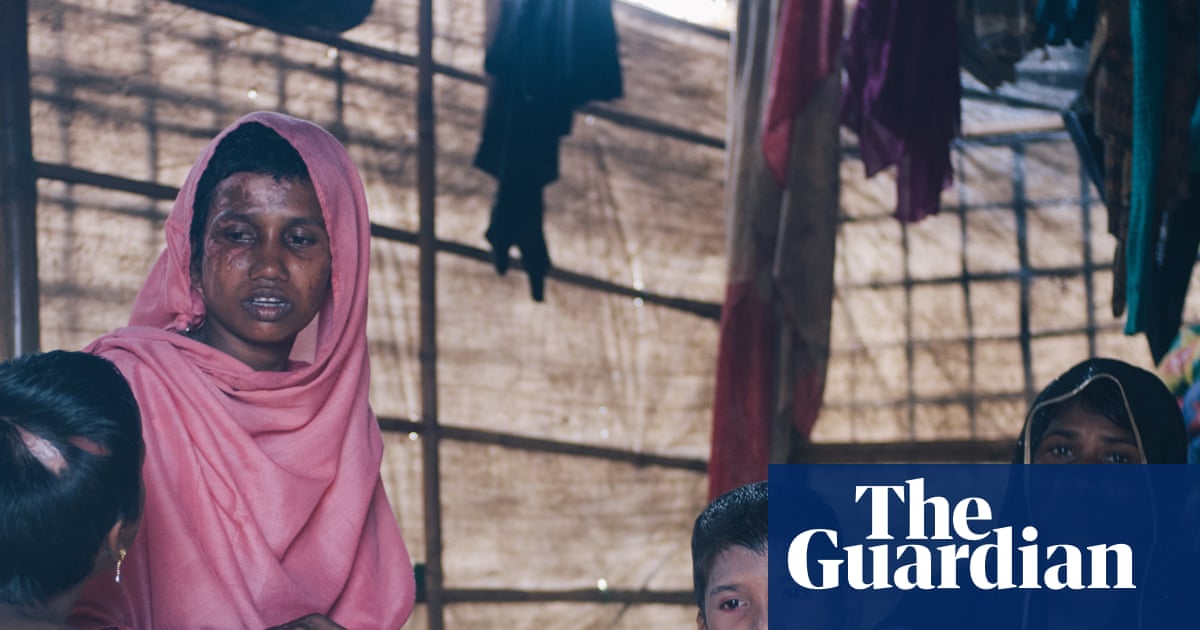
Rohingya survivors who fled Myanmar in 2017 have described killings and attacks they witnessed or endured.
Their accounts include violence in Tula Toli and nearby villages, where people were killed, women were sexually assaulted and homes were destroyed.
The International Court of Justice ruled that Myanmar carried out genocide against the Rohingya, saying the violence went beyond ethnic cleansing.
More than 700,000 Rohingya reached neighbouring Bangladesh after fleeing, and most of those who arrived in 2017 still live in refugee camps.
Many remain confined to fragile shelters without the right to work or study, while hundreds have died at sea trying to leave the camps this year.
Campaigners hope the ruling will help prevent returns to Myanmar, which countries including Malaysia and India have discussed.
The ruling comes as Rohingya refugees continue to face severe restrictions and uncertainty about their future.

The International Court of Justice ruled this week that Myanmar committed genocide against the Rohingya.
The court said the killing of people trying to escape showed an effort to destroy the group, not only ethnic cleansing.
Rohingya survivors who fled to Bangladesh in 2017 recounted mass killings, sexual attacks and the destruction of villages.
More than 700,000 refugees arrived in Bangladesh, and most who came in 2017 still live in refugee camps.
The ruling has raised hopes among Rohingya campaigners, as refugees face difficult conditions and possible returns to Myanmar.
- Who
- Rohingya survivors who fled Myanmar, and the International Court of Justice.
- What
- Survivors recounted violence in 2017 after the court ruled that Myanmar had committed genocide against the Rohingya.
- When
- The violence took place in 2017. The ruling was issued the week of the article’s publication on November 21, 2026.
- Where
- The violence took place in Myanmar. Survivors fled to Bangladesh, and the ruling was made in The Hague.
- Why
- The court said killings of Rohingya trying to escape indicated an attempt to destroy the group as a people.
This story does not have two clearly opposing sides.
Rohingya fleeing attacks in Myanmar arrived in Bangladesh, where the refugee population eventually numbered more than 700,000.
The International Court of Justice ruled that Myanmar had carried out genocide against the Rohingya.
- ICJ ruling
- Myanmar carried out genocide against the Rohingya
- Violence described
- Mass killing, sexual attacks and destruction of villages
- Refugees in Bangladesh
- More than 700,000
- Survivor accounts
- Rohingya who arrived in Bangladesh in 2017
- Current conditions
- Most Rohingya who arrived in 2017 remain in refugee camps