

Health · Medical Research · 2 hrs ago
Ovaries continue changing for decades after menopause, study finds
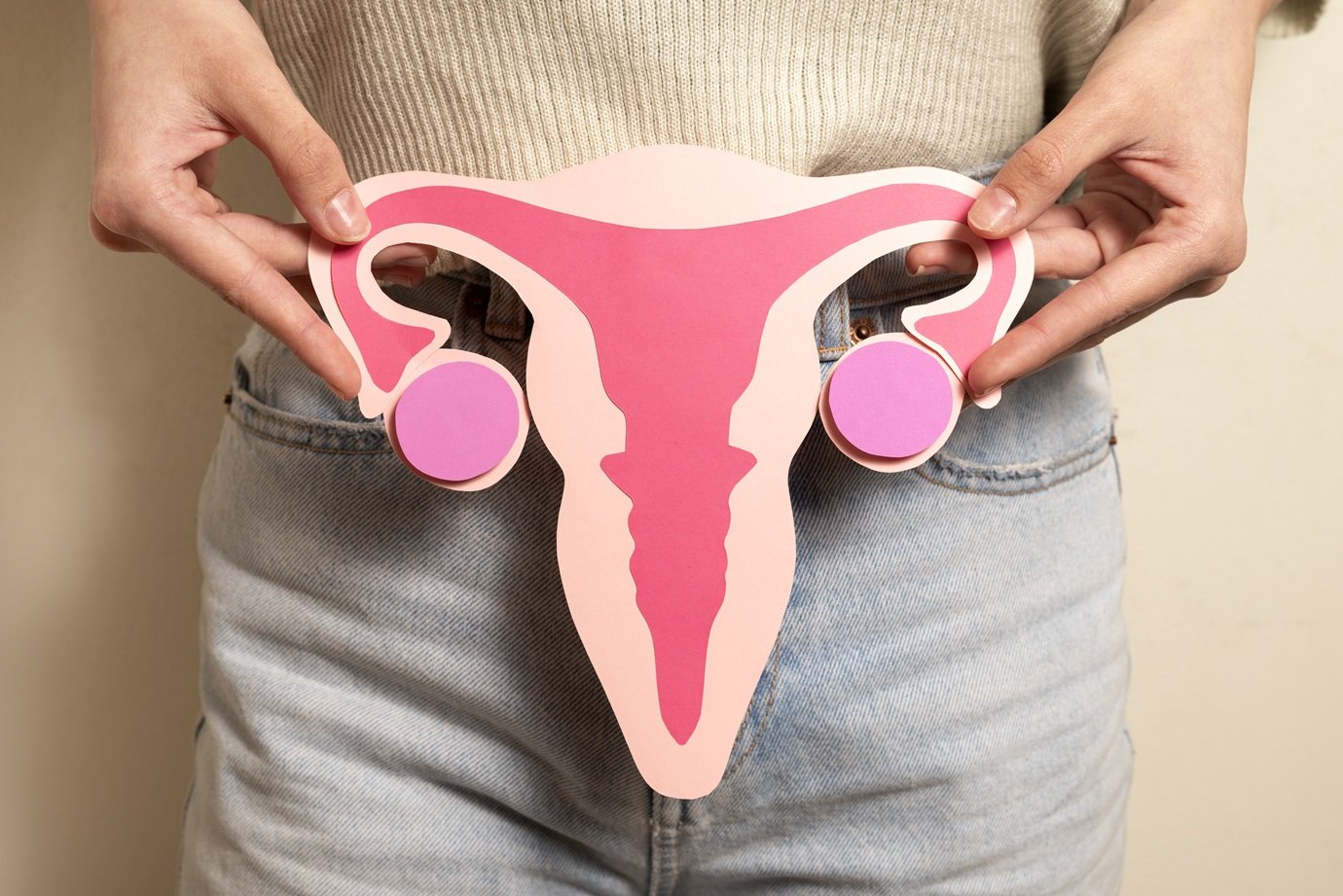
Ovarian tissue keeps changing for decades after menopause, even though the ovaries stop releasing eggs.
Researchers from Northwestern University and the Buck Institute for Research on Aging studied ovarian tissue from 28 women aged 50 to 75.
They measured 5,812 groups of proteins to track how the tissue changed with age.
Older ovaries showed more proteins linked to inflammation and immune activity, while proteins involved in maintaining tissue structure tended to decline.
In women aged 70 and older, 117 proteins differed significantly from those in women aged 50 to 59.
Some protein patterns resembled those linked to ovarian cancer, but the samples were normal tissue, not cancerous or precancerous.
Researchers do not yet know whether these changes are helpful, harmful or part of normal aging, and further work may explore how they relate to health and disease.

A study found that ovaries continue undergoing biological changes for decades after menopause.
Researchers analyzed ovarian tissue from women aged 50 to 75 and measured 5,812 groups of proteins.
Older participants had more proteins linked to inflammation, immune activity and tissue remodeling, and fewer linked to cell structure.
Among women aged 70 or older, 117 proteins differed significantly from those in women aged 50 to 59.
The researchers said the findings do not show whether these changes are beneficial, harmful or part of normal aging.
- Who
- Researchers from Northwestern University and the Buck Institute for Research on Aging studied ovarian tissue from 28 women aged 50 to 75.
- What
- The study found that ovaries continue to change biologically decades after menopause.
- When
- The study was published in Aging Cell; the articles were published on October 18, 2026.
- Where
- The research was conducted by teams at Northwestern University and the Buck Institute in the United States.
- Why
- Researchers sought to identify molecular changes in ovarian tissue during aging after menopause.
This story does not have two clearly opposing sides.
This story does not have a timeline yet.
- Participants
- 28 women aged 50 to 75
- Protein groups measured
- 5,812
- Proteins changed in women aged 70 or older
- 117 compared with women aged 50 to 59
- Proteins that decreased
- 84 of the 117
- Proteins that increased
- 33 of the 117