

Health · Medical Research · 7 hrs ago
Experimental bean-based gum reduced HPV and cancer-linked bacteria in lab tests
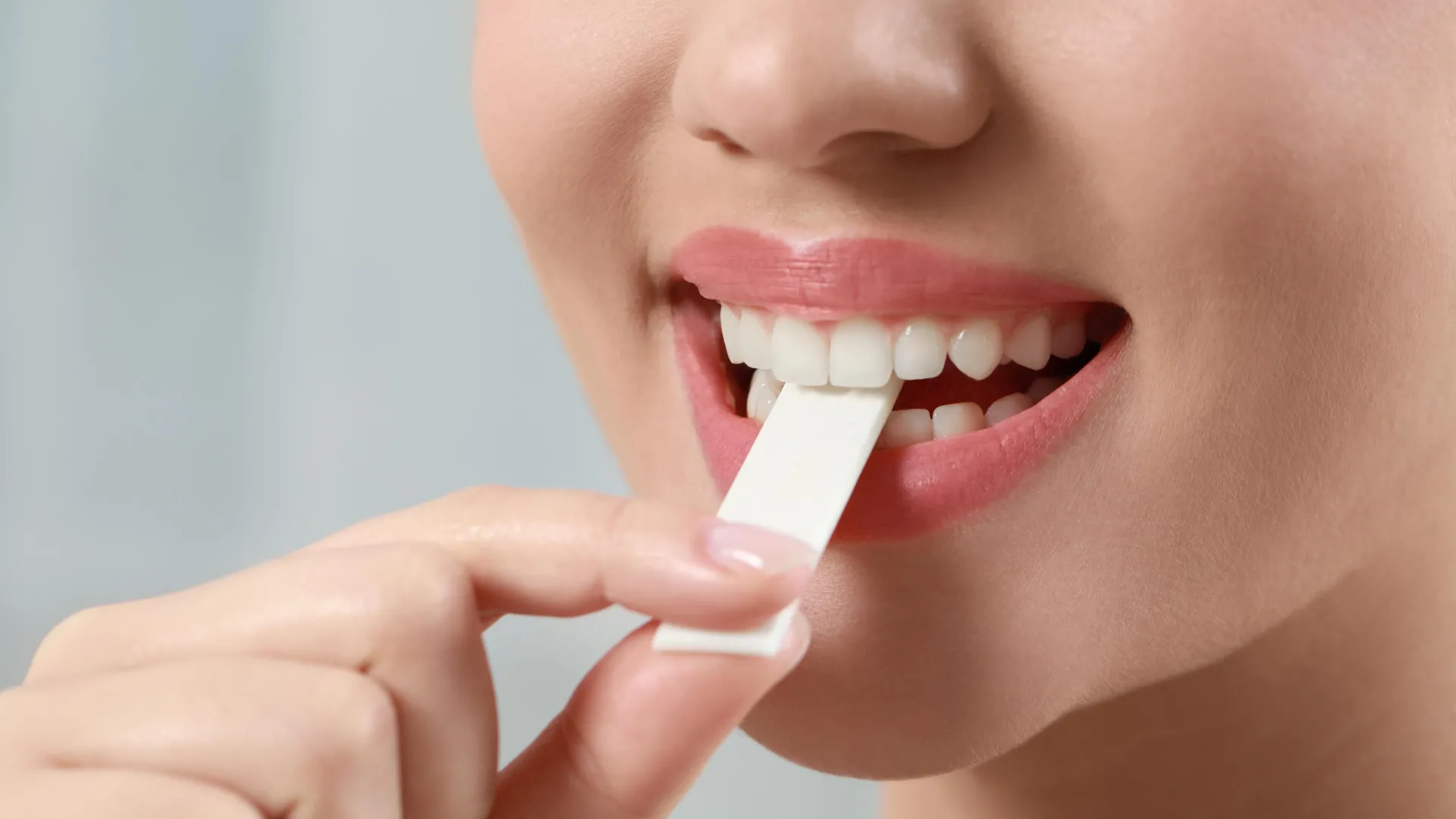
Researchers tested an experimental gum made with a protein from beans on mouth samples from people with head and neck cancer.
The protein, called FRIL, reduced HPV levels by up to 93% in saliva samples and by 80% in mouth-rinse samples.
A second version included protegrin-1, an antimicrobial, and cut two cancer-linked bacteria by more than 99% in the samples.
The bacteria, Porphyromonas gingivalis and Fusobacterium nucleatum, have been associated with oral disease and poorer outcomes in some cancer patients.
The tests were done on samples outside the body, so they do not show that the gum prevents or treats cancer or infection in people.
Researchers say clinical studies are needed to test its safety and effectiveness, while HPV vaccination remains a key way to prevent cancer-linked types of the virus.

An experimental bean-based chewing gum reduced HPV particles by up to 93% in patient saliva samples in laboratory tests.
A version combining the gum with the antimicrobial peptide protegrin-1 reduced two cancer-associated bacteria by more than 99% in samples.
The study used samples from people with head and neck cancer and was conducted outside the human body.
The findings do not show that the gum prevents or treats HPV infections or cancer, and researchers say clinical studies are needed.
- Who
- Researchers led by Henry Daniell at the University of Pennsylvania's School of Dental Medicine.
- What
- They tested an experimental lablab bean gum containing the protein FRIL, and a version combined with protegrin-1, against HPV and two bacteria.
- When
- The study was published in February; the year is not stated. The articles were published on November 10 and 12, 2026.
- Where
- Tests used saliva and oral rinse samples from patients with head and neck cancer.
- Why
- Researchers are investigating ways to reduce microbes associated with head and neck cancer. The study did not test whether the gum prevents infection or cancer in people.
This story does not have two clearly opposing sides.
The study was published in Scientific Reports.
ScienceDaily published an article about the laboratory findings.
CNN Brasil published an article about the findings and the need for clinical studies.
- HPV in saliva
- Reduced by 93% in samples
- HPV in oral rinse
- Reduced by 80% in samples
- Targeted bacteria
- Porphyromonas gingivalis and Fusobacterium nucleatum
- Bacteria with protegrin-1
- Reduced by more than 99% after one application in samples
- Gum protein
- FRIL, from lablab bean
- Study type
- Ex vivo tests using patient samples
2 sources
What people are saying
The global increase in oropharyngeal cancer is linked to HPV infection,
And Pg and Fn infections worsen survival rates of untreated recurrent or metastatic oral cancer, even after surgery and risk-adjusted adjuvant, or supplemental, therapies.