

Politics · Other · 1 hr ago
Israel probes whether vote-buying allegations were planted to undermine election
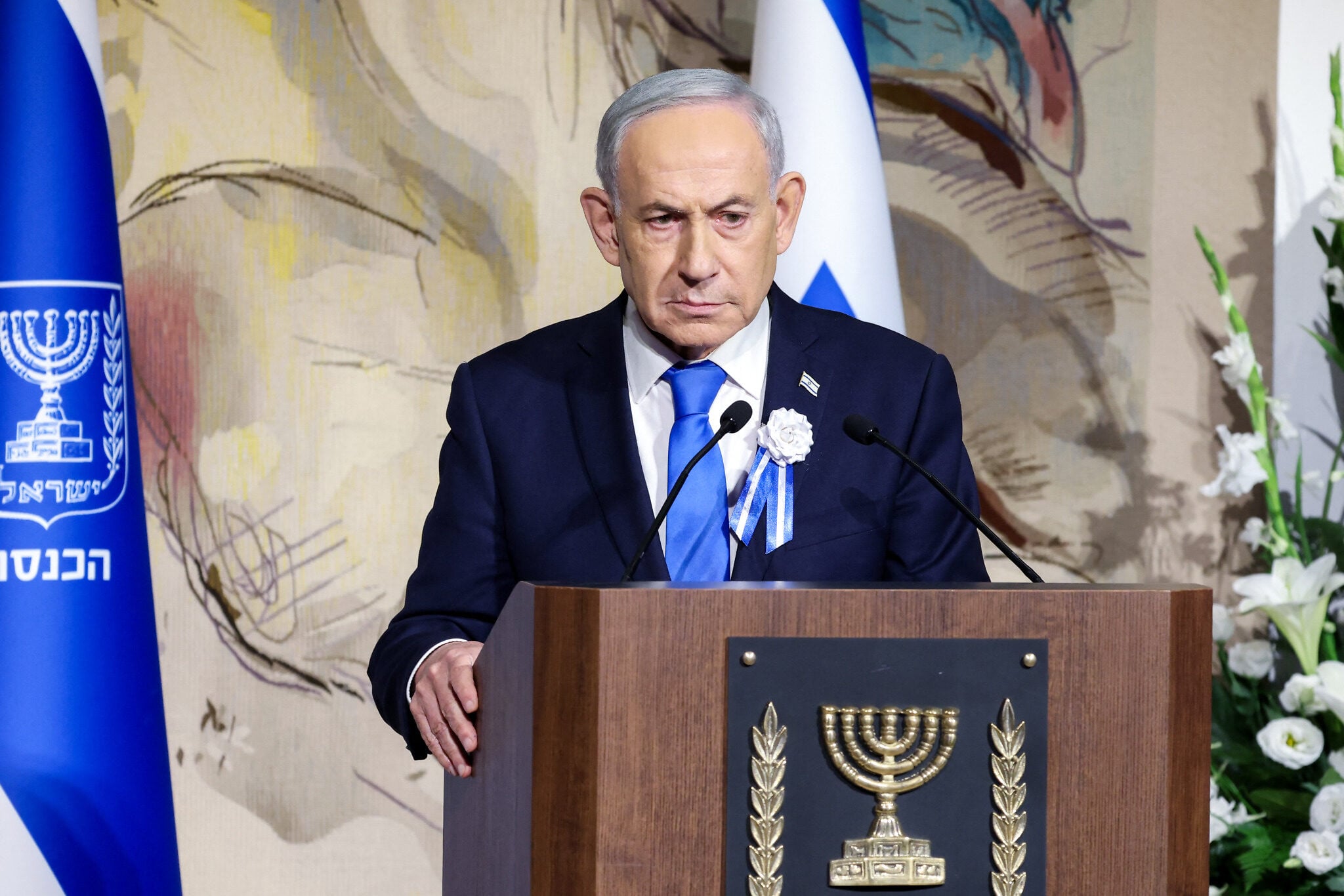
Israeli police and the attorney general are probing whether vote-buying allegations were deliberately planted to help undermine confidence in the election.
The allegations concerned activists for the Arab party Ra’am and claims they paid voters to increase turnout.
Three Bedouin men were arrested in southern Israel on election day after police searched their homes.
The arrests followed information allegedly passed to police by Netanyahu’s chief of staff and a former employee of his office.
All three men were released without charges or restrictions, and one court criticized investigators’ conduct.
The men denied the allegations; two said cash found by police was meant for charity.
The arrests were used by Netanyahu to claim Arab parties had stolen the vote, while the allegations also damaged public confidence in the election.
The probe is examining whether the information was planted, but the available account does not say what investigators will do next.

Israeli law enforcement officials are probing whether information behind arrests for alleged vote-buying was planted by officials in Prime Minister Benjamin Netanyahu’s office.
The arrests of three Ra’am activists took place on election day, October 27, after police received information from Netanyahu’s chief of staff and a former employee of his office, according to a Channel 12 report.
The men were released without charges or restrictive conditions, and one court ordered the unconditional release of a detainee after six days.
The reports have prompted opposition leader Gadi Eisenkot to call for an investigation and accuse Netanyahu’s circle of threatening Israeli democracy.
Netanyahu’s Likud party called Eisenkot’s statement “outrageous incitement” against the prime minister.
- Who
- Israeli law enforcement officials are probing the allegations. Netanyahu’s chief of staff, Ido Norden, and three Ra’am activists are central to the reports.
- What
- Officials are investigating whether information about alleged vote-buying was planted to prompt arrests and support claims that Arab parties stole the vote.
- When
- The arrests took place on October 27, 2026. Reports about the probe were published on November 15 and 16, 2026.
- Where
- The arrests were at homes in southern Israel, including in Rahat.
- Why
- The probe concerns whether the allegations were deliberately manufactured to bolster claims that Arab parties had stolen the election.
Gadi Eisenkot and his Yashar party
Netanyahu’s Likud party
Response to reports
Gadi Eisenkot and his Yashar party
Eisenkot called for an immediate investigation and said Netanyahu’s conduct and that of his inner circle threatened Israeli democracy.
Netanyahu’s Likud party
Likud called Eisenkot’s statement “outrageous incitement” against the prime minister.
Ido Norden allegedly complained to police about suspected vote-buying by Ra’am activists and referred them to a former employee of Netanyahu’s office.
Police raided the homes of three Ra’am activists and arrested them on suspicion of bribery to incentivise voting.
Saef Abu Reash was released after six days in detention.
Channel 12 reported that officials were probing whether information leading to the arrests had been planted.
Eisenkot called for an immediate investigation and said Netanyahu’s conduct threatened Israeli democracy.
- Arrests
- Three Ra’am activists
- Police officers
- About 14
- Election day
- October 27, 2026
- Detainee
- Saef Abu Reash was held for six days
- Seats won by Arab-led parties
- 19
- Government majority threshold
- 61 seats
3 sources
What people are saying
The conduct of outgoing Prime Minister Netanyahu and his inner circle poses a tangible, direct and immediate threat to Israeli democracy
I call for an immediate investigation into the affair and for the police and the Shin Bet to immediately clarify the details that have been published
pure political persecution
one of the most humiliating moments of my life