

Health · Medical Research · 2 hrs ago
Study maps genetic pathways linked to coronary artery disease
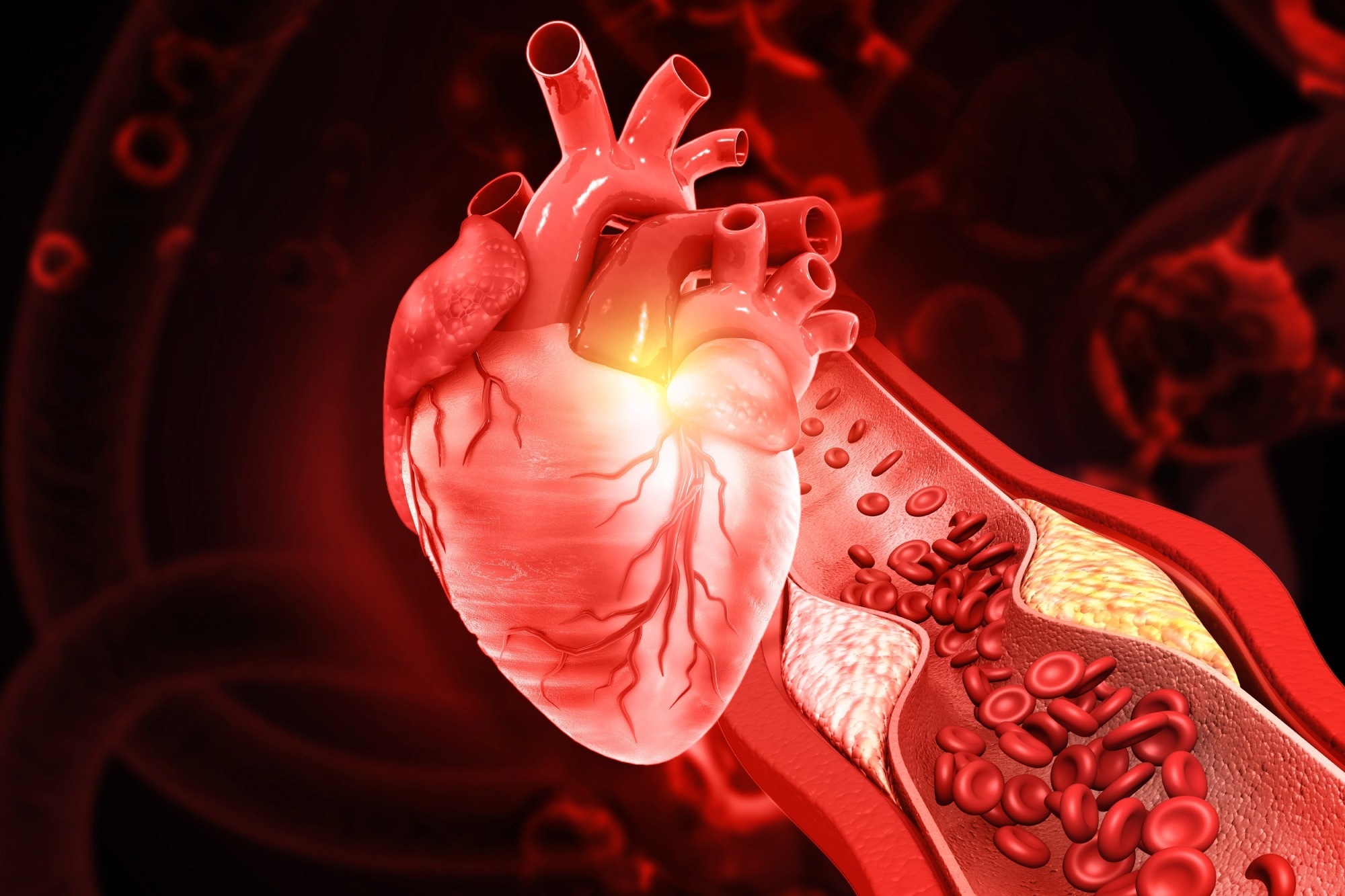
An international research team mapped how genetic variants may affect coronary artery cells to better understand coronary artery disease.
The study examined artery samples from 44 people and used data from additional samples to link DNA variation with gene activity and cell types.
Many disease-linked variants lie in non-coding DNA, which can regulate genes without changing the proteins they produce.
The team identified 11,269 genetic links to DNA accessibility and found that some effects changed as smooth muscle cells took on disease-associated characteristics.
The findings point to possible disease mechanisms beyond cholesterol, including pathways involving AMOTL2 and tissue remodeling.
This could help guide future treatment research, but the study did not test treatments in patients.

Researchers built a high-resolution map linking genetic variants to gene regulation in human coronary arteries.
The study combined single-nucleus data from 44 arteries with three-dimensional chromatin data from 15 arterial specimens.
It identified 11,269 genetic variants associated with differences in DNA accessibility across major vascular cell types.
Some variants’ regulatory effects changed as smooth muscle cells developed fibroblast-like characteristics.
The findings point to possible lipid-independent disease mechanisms, but the study did not test treatments in patients.
- Who
- An international team of researchers from academic, clinical and biotechnology institutions.
- What
- The team mapped genetic variants to regulatory elements, genes and cell types in human coronary arteries.
- When
- Published on November 26, 2026.
- Where
- Human coronary arteries; the researchers’ institutions were in the United States and several other countries.
- Why
- To investigate how non-coding genetic variants may contribute to coronary artery disease and identify mechanisms beyond cholesterol.
This story does not have two clearly opposing sides.
Researchers profiled 44 human coronary arteries and used three-dimensional chromatin data from 15 arterial specimens.
Researchers integrated the accessibility profiles with published data to create a map covering 88 samples and 245,562 nuclei.
- Arteries profiled
- 44 human coronary arteries
- Three-dimensional data
- 15 arterial specimens
- Chromatin accessibility associations
- 11,269 caQTLs
- Integrated meta-map
- 88 samples and 245,562 nuclei
- Publication date
- November 26, 2026
What people are saying
Leveraging human genetics to uncover new lipid-independent biological mechanisms and drug targets in CAD represents a tremendous unmet need and would be a principal milestone in translating population-scale GWAS findings to therapies for patients.