

Politics · United Kingdom · 9 hrs ago
IFS warns inflation could squeeze public services ahead of Budget
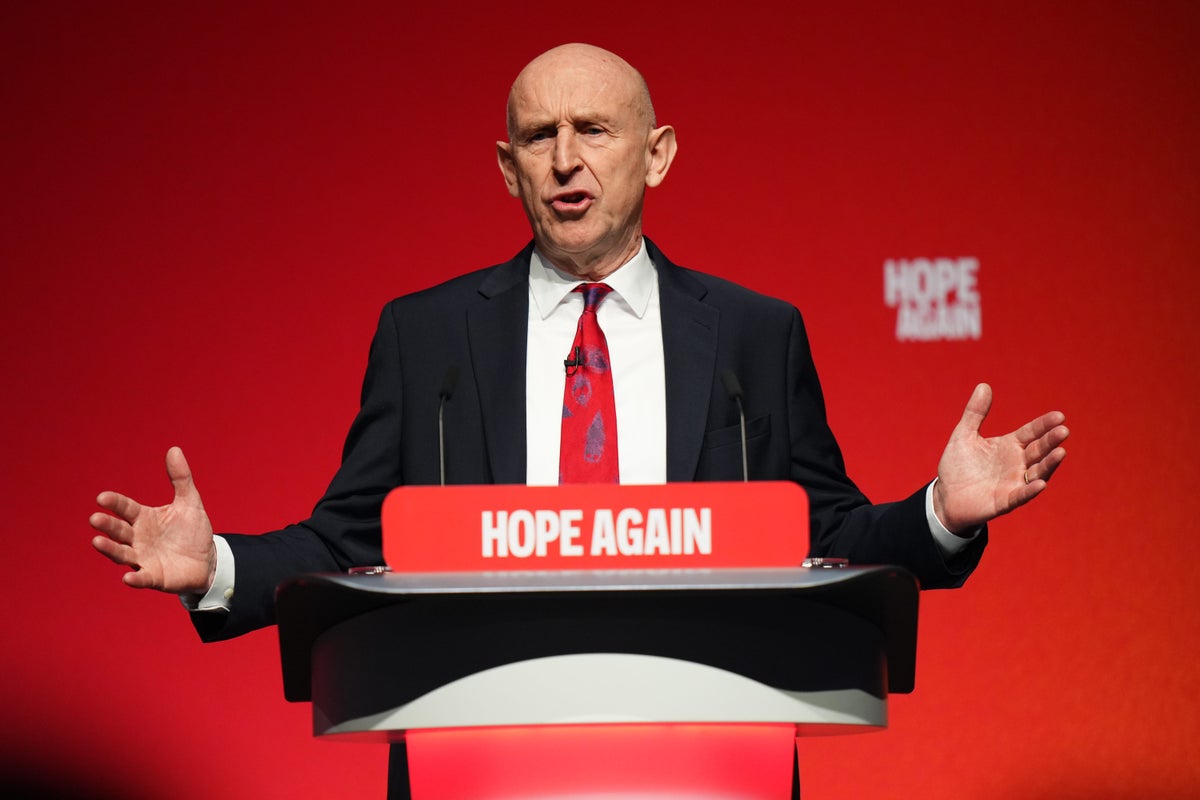
Ahead of the Budget on October 28, the Institute for Fiscal Studies says inflation is a bigger immediate challenge than the government’s financial headroom.
The analysis links higher inflation in coming years to the war in the Middle East.
Rising prices could also increase tax revenues, so the reduction in the Chancellor’s financial buffer may be smaller than expected.
But inflation would make departments’ budgets buy less, potentially forcing service cuts or extra funding.
The IFS estimates that keeping planned spending power at its March level could require an extra £12 billion by the end of the decade, including £3 billion for investment plans.
Avoiding cuts while also increasing defence spending could require tax rises or benefit cuts of around £35 billion, it says.
The Chancellor is due to set out the Budget on October 28, and the IFS says he should clarify how much the government is willing to spend.

The Institute for Fiscal Studies says inflation could squeeze government department budgets and force cuts to public services or additional spending.
The IFS said preserving planned spending power could require a £12 billion top-up by the end of the decade, including £3 billion for capital spending.
It estimated that avoiding cuts and funding higher defence spending could require tax rises or benefit cuts of around £35 billion.
The IFS said fiscal headroom could be around £20 billion in 2029–30, but stressed that the figure is highly uncertain.
- Who
- The Institute for Fiscal Studies warned Chancellor John Healey about inflation’s effect on public spending.
- What
- It said inflation could erode departmental budgets, creating pressure for service cuts or spending top-ups.
- When
- Ahead of the Budget scheduled for October 28.
- Where
- Britain.
- Why
- Higher inflation is expected to reduce the spending power of government departments’ budgets.
This story does not have two clearly opposing sides.
The IFS said the fiscal headroom had been forecast at £24 billion.
The Budget is scheduled to take place.
- Possible fiscal headroom
- Around £20 billion in 2029–30
- March forecast for headroom
- £24 billion
- Potential spending top-up
- £12 billion to maintain real-terms plans at the end of the decade
- Capital spending top-up
- £3 billion
- Potential tax rises or benefit cuts
- Around £35 billion to avoid cuts and fund higher defence spending
What people are saying
A choice to leave spending totals unchanged would implicitly be a choice to cut some budgets and allow the quality and/or quantity of some public services to fall.
On the other hand, increasing spending to avoid cuts to budgets and fund higher defence spending could require tax rises or benefit cuts of around £35 billion.
Sources
Related news
UK to review security for public figures after Ann Widdecombe’s killing

Burnham to seek new post-Brexit deals at UK-EU summit
Burnham says Russia interfered in 2016 Brexit vote

Heathrow investors may reconsider £33bn runway plan without PM backing
Lib Dem MPs may seek confidence vote in Ed Davey

Evesham Council to Vote on No-Confidence Motion Against Emma Nishigaki
Former UK attorney general urges urgent international rules for AI

Polanski vows to stay as Green leader after by-election loss and party row

Police support extended to peers, former MPs and party spokespeople
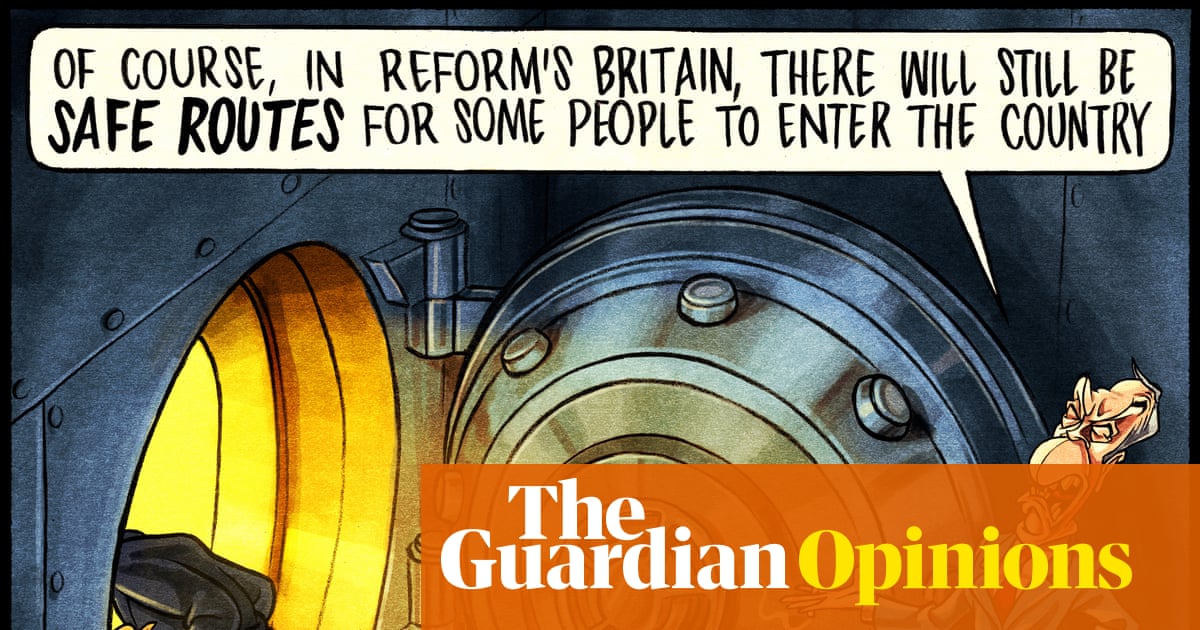
Reform pledges to suspend the UK asylum system

Swinney will not face probe over pension comments to Holyrood
