

Health · Fitness & Nutrition · 2 hrs ago
Home blood pressure monitors can help if used correctly
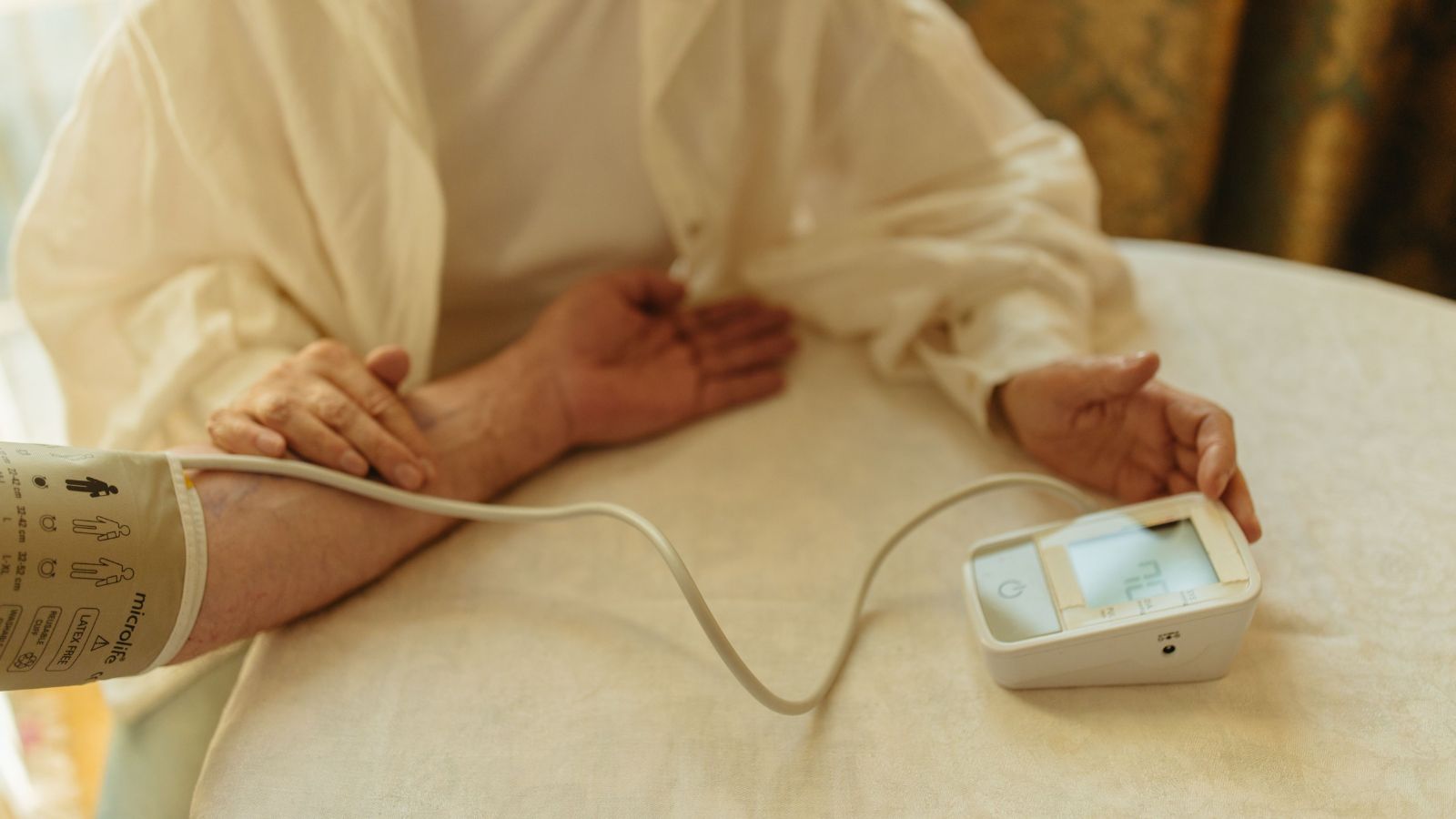
Home blood pressure monitors can track readings over several days, offering a broader picture than a single measurement at a clinic.
Cardiologist Akhil K Rustagi of ShardaCare – Healthcity says regular home checks can also reduce the effect of anxiety-related rises known as white-coat hypertension.
Choose a clinically validated upper-arm device and a cuff that fits, as wrist or finger devices and incorrect cuff sizes can give inaccurate results.
Before measuring, avoid smoking, caffeine and exercise for 30 minutes, then sit quietly for five minutes with your back supported, feet flat and arm at heart level.
Take two readings a minute apart at consistent times, ideally morning and evening, and record the average to share with your cardiologist.
Home monitors are not a substitute for professional evaluation, and readings alone should not prompt changes to medication.
If a reading is above 180/120 mmHg, repeat it after one minute; if it remains high, seek immediate medical advice, and seek emergency care if serious symptoms such as chest pain or difficulty speaking occur.

Home blood pressure monitoring can provide a reliable way to track cardiovascular health when people use a clinically validated device and take readings correctly.
Dr Akhil K Rustagi says readings taken over several days can give a more realistic picture than a single reading at a hospital or clinic.
He recommends an automated upper-arm monitor with the correct cuff size and careful measurement technique.
People should record readings and share them with their cardiologist, and should not change medication doses based on individual readings without medical advice.
Home monitors do not replace professional evaluation, and a reading above 180/120 mmHg that remains high after a repeat requires immediate medical advice.
- Who
- Dr Akhil K Rustagi, a senior director and head of cardiology at ShardaCare – Healthcity, explains how to use home blood pressure monitors.
- What
- The article gives advice on choosing a monitor, taking readings and responding to concerning results.
- When
- Indian Express published the article on 2026-11-23.
- Where
- The guidance concerns taking blood pressure readings at home.
- Why
- Correct use and a clinically validated device can help make readings reliable and track blood pressure over several days.
This story does not have two clearly opposing sides.
This story does not have a timeline yet.
- Preferred device
- Automated, clinically validated upper-arm monitor
- Before measuring
- Avoid smoking, caffeine and exercise for at least 30 minutes
- Reading routine
- Take two readings one minute apart and record the average
- Suggested schedule
- Once in the morning and once in the evening
- High reading
- Above 180/120 mmHg; repeat after one minute and seek immediate medical advice if it remains high
What people are saying
It is important to remember that home devices are monitoring tools, not substitutes for professional evaluation
Irregular heart rhythms, certain vascular conditions and faulty or poorly calibrated devices can affect accuracy.