

Politics · Germany · 9 hrs ago
German parliament expands potential benefits for electric vehicles
The Bundestag has approved expanded rules for electric vehicles in Germany.
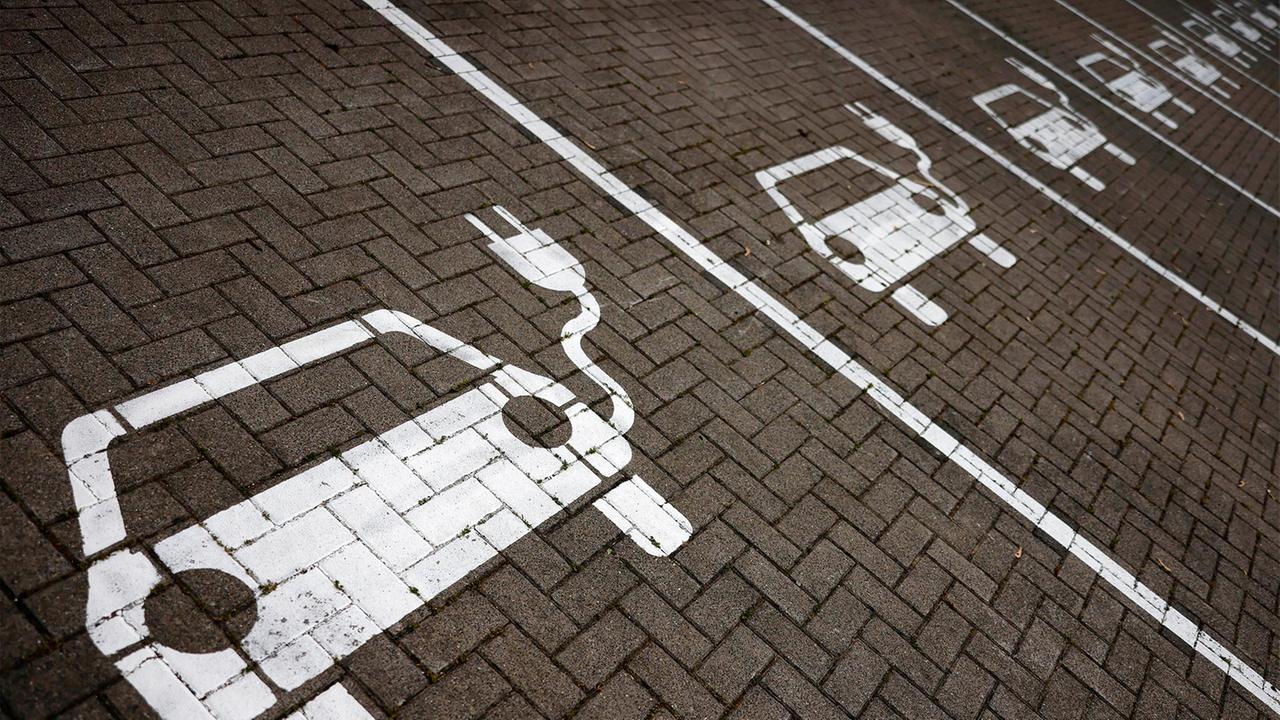
The law lets cities and municipalities offer perks such as cheaper parking, designated spaces or special access, but few currently use all the options.
Drivers charging at a public station will generally no longer need an E-registration plate to qualify for parking benefits, including drivers of foreign-registered electric cars.
Until a planned traffic rule sets a common standard, drivers must follow the signs at the charging station.
Local authorities can offer benefits through 2035, including reduced or waived resident-parking permit fees.
Plug-in hybrids must meet stricter emissions or electric-range requirements, and electric buses and trucks can also qualify.
Whether drivers get these perks depends on their local authority, which can decide whether to introduce them.

The Bundestag approved an extension and expansion of Germany’s Electric Mobility Act, allowing municipalities to offer electric vehicles more benefits.
The changes include removing the E-plate requirement while charging at public stations and allowing reduced or waived resident-parking permit fees.
Municipalities may continue offering benefits such as designated parking or access rights through the end of 2035.
Only a few municipalities currently use the law’s options, and some cities have ended free parking for electric vehicles.
- Who
- The German Bundestag approved the changes. Municipalities can decide whether to offer the benefits.
- What
- The Electric Mobility Act was extended and expanded, allowing potential benefits for electric vehicles and some other electric vehicles.
- When
- The Bundestag voted on 5 November 2026.
- Where
- Germany.
- Why
- The law is intended to promote electric mobility by allowing municipalities to offer incentives.
Supporters of electric-vehicle benefits
Municipal administrations that have ended benefits
Incentives
Supporters of electric-vehicle benefits
The Bavarian Interior Ministry said it chose a low-bureaucracy approach based on incentives rather than bans.
Municipal administrations that have ended benefits
Ludwigshafen’s administration said the earlier parking benefit was intended as a temporary incentive and was no longer needed.
Parking fees
Supporters of electric-vehicle benefits
The Tagesschau article reports that cities including Dortmund and Essen have used the law’s measures to support electric mobility.
Municipal administrations that have ended benefits
Kaiserslautern said state support for electric cars and high petrol and diesel prices provided sufficient incentives; it also cited costs that do not depend on the type of drive.
The federal law began allowing cities and municipalities to grant benefits to electric cars.
Ludwigshafen ended the same parking fees for electric and combustion-engine cars after previously allowing electric cars to park free for two years.
The Bundestag approved an extension and expansion of the Electric Mobility Act.
- Possible municipal benefits
- Through the end of 2035
- Charging at public stations
- No E-plate required in future
- Resident parking permits
- Municipalities may reduce or waive fees for electric vehicles
- Ludwigshafen
- Free parking for electric cars ended on 1 January 2025
- Kaiserslautern
- Free parking exemption ran from early 2018 to the end of 2022
What people are saying
We deliberately chose a low-bureaucracy solution and rely on incentives rather than bans.
The cities’ experience with the new options has been positive.
The administration recommended that the city council vote to end the privilege for electric vehicles because the rules that had applied before were intended for a transitional period.
With state support for electric cars and in view of high petrol and diesel prices, there are sufficient incentives.