

Politics · India · 3 hrs ago
India’s voter roll revision removes millions, prompting appeals
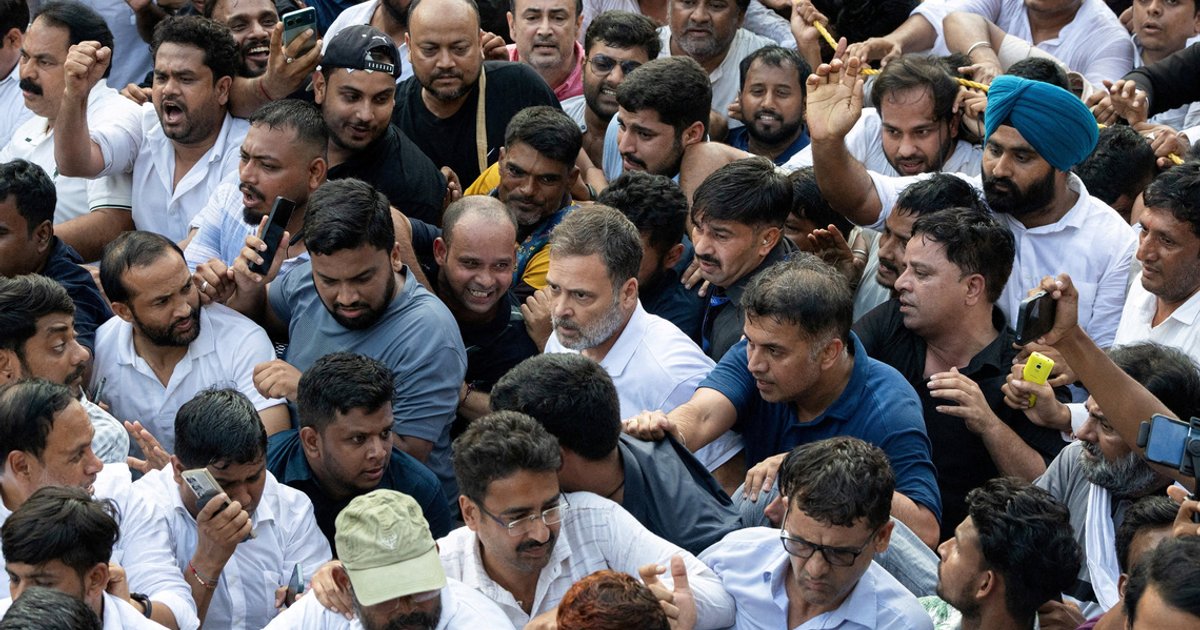
The Election Commission of India is carrying out a Special Intensive Revision of voter rolls to remove duplicate, deceased and otherwise ineligible voters.
The revision has removed 130 million names nationwide, according to figures cited in reporting, and some people say they were wrongly listed as dead or as having moved.
In Delhi, tailor Kamta Prasad is among 4.2 million voters removed from the draft rolls published on August 31.
People seeking to correct errors may need to provide documents, attend hearings and make repeated appeals, sometimes while losing time and income.
The Commission says excluded voters can file claims and appeals, and it has ordered fresh verification in some states, including Delhi.
The cases have renewed concerns about whether voters can learn why they were excluded and fix mistakes in time to take part in elections.

India’s Special Intensive Revision of electoral rolls has removed millions of names, prompting appeals and protests.
The Election Commission says it is removing duplicate, deceased, shifted and otherwise ineligible voters, and that people excluded by mistake can appeal.
Voters have reported being wrongly marked dead or shifted and facing repeated visits to election offices to seek reinstatement.
Opposition parties and youth groups allege the revision was manipulated to benefit Prime Minister Narendra Modi’s Bharatiya Janata Party; the Commission and the party deny the charge.
The Hindu says around 65 lakh names were missing from Bihar’s draft roll and more than 27 lakh names were deleted in West Bengal during adjudication.
- Who
- Voters whose names were removed, including Kamta Prasad and other Delhi residents. The Election Commission of India is conducting the revision.
- What
- A voter-roll revision removed millions of names, leading to appeals, protests and complaints of wrongful exclusion.
- When
- The revision and appeals were reported on October 20, 2026. Delhi’s draft rolls were published on August 31.
- Where
- India, including Delhi, Bihar and West Bengal.
- Why
- The Election Commission says it is removing duplicate, deceased, shifted and otherwise ineligible voters. Critics allege the revision has been manipulated to benefit the Bharatiya Janata Party, a charge the Commission and party deny.
Election Commission of India
Opposition parties and protesting voters
Purpose of deletions
Election Commission of India
The revision removes duplicate, deceased, shifted and otherwise ineligible voters.
Opposition parties and protesting voters
Critics allege the revision was manipulated to benefit the Bharatiya Janata Party, while voters report wrongful exclusions.
Remedy for exclusions
Election Commission of India
People excluded by mistake can file claims, submit supporting documents and appeal before the rolls are finalised.
Opposition parties and protesting voters
Voters say they face repeated office visits, hearings and appeals, and some are advised to register as new voters instead of having their previous names restored.
Bihar’s draft roll was published with around 65 lakh names missing, according to The Hindu.
Delhi’s draft rolls were published, showing 4.2 million voters struck off, according to the Straits Times.
The Election Commission ordered fresh verification in some states, including Delhi.
- India-wide removals
- 130 million names, according to the Straits Times
- Bihar draft roll
- Around 65 lakh names missing
- West Bengal adjudication
- More than 27 lakh names deleted; around 22 lakh appeals
- Delhi draft rolls
- 4.2 million voters struck off
- Aland, Karnataka
- 6,018 online deletion applications; 5,994 rejected and 24 accepted after verification
3 sources
What people are saying
Since then I've been going everywhere to prove that I'm alive.
I told them I voted in the last assembly and general elections and have been voting for 35 years, but nobody listens.
It is very disappointing that we have been voting in this country and now our names have been cut because we do not have land papers or a water bill.