

Science & Tech · Cybersecurity · 12 hrs ago
Cyberattacks hit refrigeration systems, Binance and Ukraine's alert app
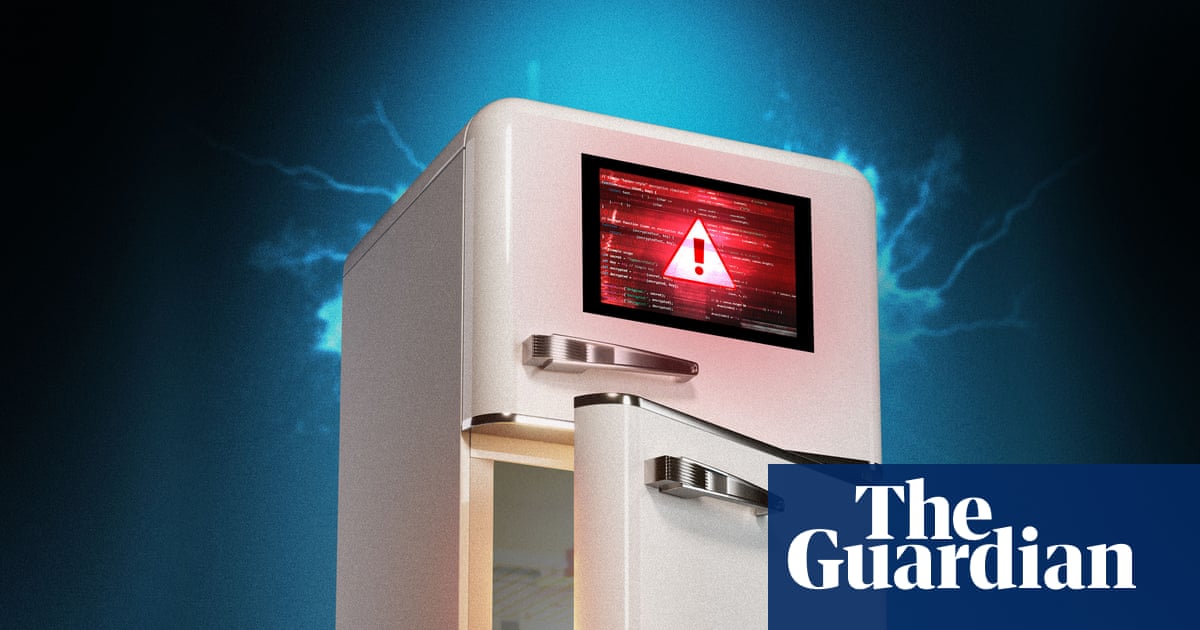
Cyberattacks disrupted refrigeration systems at a London produce wholesaler and shops in several European countries, with some units heating to dangerous temperatures.
The attacks happened alongside separate incidents: hackers stole $6.3bn from Binance, the world’s largest cryptocurrency exchange, and sent Kyiv residents a fake nuclear alert through Ukraine’s emergency app.
The incidents took place over several days in late October and early November.
The UK’s National Cyber Security Centre says more disruption is likely, as attackers exploit weaknesses in computer systems.
AI tools can help find those weaknesses, and a flaw in PHP recently led websites around the world to be taken offline temporarily as a precaution.
Experts have linked some attacks to Russia and North Korea, but the sources do not establish who was behind the refrigeration attack.
UK officials warn AI could help target power stations, airports and hospitals by 2028.

A cyberattack disrupted refrigeration systems at a London wholesaler and retailers in several European countries.
The incidents were reported alongside a $6.3bn theft from cryptocurrency exchange Binance and a fake nuclear alert sent through Ukraine’s emergency app.
The UK’s National Cyber Security Centre warned that more disruption could follow as attackers exploit weaknesses in IT systems.
Its chief, Richard Horne, cited geopolitics and artificial intelligence as factors behind the risks.
- Who
- Alex Pearce and retailers in several European countries were affected by attacks on refrigeration systems. Binance and users of Ukraine’s emergency alert app were also targeted in separate incidents.
- What
- Refrigeration units were made to heat up, Binance lost $6.3bn, and hackers sent a fake nuclear strike alert through Ukraine’s app.
- When
- The attacks took place over a number of days. Binance was attacked on 30 October and Ukraine’s app on 1 November.
- Where
- Pearce’s business is in London; similar refrigeration problems were reported in Belgium, Estonia, Ireland, Finland, Luxembourg, the Netherlands and Sweden. The fake alert was sent to people in Kyiv.
- Why
- The sources say the incidents involved cyberattacks but do not state the attackers’ confirmed motives. Experts cited geopolitics and AI as factors in the wider risks.
This story does not have two clearly opposing sides.
French supermarket refrigerators were attacked in an incident described as a possible trial run.
Hackers robbed Binance of $6.3bn in what the article calls a record heist.
Hackers targeted Ukraine’s emergency alert app and sent people in Kyiv a fake nuclear strike alert.
Alex Pearce found refrigeration units at his London business showing high temperatures and unplugged their internet connection.
Retailers in Belgium, Estonia, Ireland, Finland, Luxembourg, the Netherlands and Sweden reported similar refrigeration problems.
- Binance theft
- $6.3bn
- Ukraine alert attack
- 1 November
- Pearce’s refrigeration reading
- 150C
- Retailer countries reporting similar problems
- Belgium, Estonia, Ireland, Finland, Luxembourg, the Netherlands and Sweden
- NCSC warning
- AI-powered malicious software was “highly likely” to be used in attacks against UK power stations, airports and hospitals by 2028
1 source
What people are saying
If it had happened on a Saturday morning, when I don’t tend to be here, it could ultimately have led to a fire
There are so many vulnerabilities out there that … you could say are waiting to be exploited
The most serious risk we face in the short term is just a huge rise in the volume of incidents … and I think you could probably point to the last few months and say we’ve started to see that
Wuhan moment