

Health · Medical Research · 8 hrs ago
MIT team uses targeted delivery to reduce toxicity of antibiotic candidate
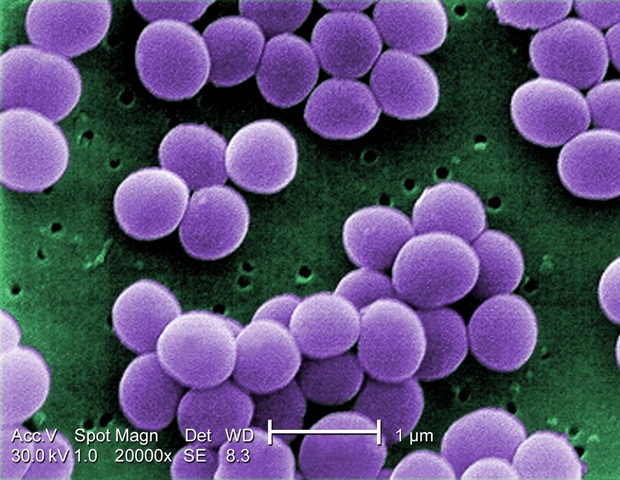
MIT researchers developed a way to reduce the harm caused by drugs that can kill bacteria but also damage human cells.
They attach a drug to a protein that carries it to an infection, then release it there.
A second protein acts as an antidote in the bloodstream, helping keep the drug away from other organs.
The team tested the method with calicheamicin, a drug used to treat some cancers but considered too toxic as an antibiotic.
In mice, the modified drug treated bacterial pneumonia while protecting the liver.
The approach could make more potential antibiotics worth developing as bacteria become resistant to existing drugs.
The researchers say this strategy may help promising drug candidates continue through development.

MIT researchers used targeted delivery to reduce the toxicity of calicheamicin, a drug with antibacterial activity that is too toxic for use as an antibiotic.
The approach attaches the drug to a protein that carries it to an infection site, and delivers an antidote protein to help protect other organs.
In tests in mice, the modified drug treated bacterial pneumonia while protecting the liver from toxicity.
The researchers say the strategy could allow more potential antibiotics to be developed.
The study appears in Nature Communications.
- Who
- MIT researchers, including study lead author Tahoura Samad and senior author Sangeeta Bhatia.
- What
- They used targeted delivery and an antidote protein to reduce the toxicity of calicheamicin. Tests in mice showed it could treat bacterial pneumonia while protecting the liver.
- When
- The study was published on November 27, 2026.
- Where
- The research was conducted by an MIT team; the treatment was tested in mice.
- Why
- Many drugs that kill bacteria also harm human cells, ruling them out as antibiotic candidates.
This story does not have two clearly opposing sides.
Calicheamicin was approved as part of a drug conjugate to treat acute myeloid leukemia.
The drug was taken off the market, in part because of toxicity issues.
Calicheamicin was reapproved at lower doses and with a different dosing schedule.
The study describing the MIT team’s approach was published in Nature Communications.
- Drug tested
- Calicheamicin
- Study lead author
- Tahoura Samad
- Study senior author
- Sangeeta Bhatia
- Mouse test
- Treated bacterial pneumonia while protecting the liver from toxicity
- Journal
- Nature Communications
What people are saying
The discovery pipeline is advancing at an extraordinary pace, but safety concerns can bring even the most promising programs to an immediate halt. This strategy could offer a chance to let really promising drugs keep going.
Increasingly, we're seeing more work focused on antimicrobial discovery and the identification of new compounds. We see this work as saying: How can we make the best use of this enhanced discovery capacity, so that more of these candidates are reasonable to develop?